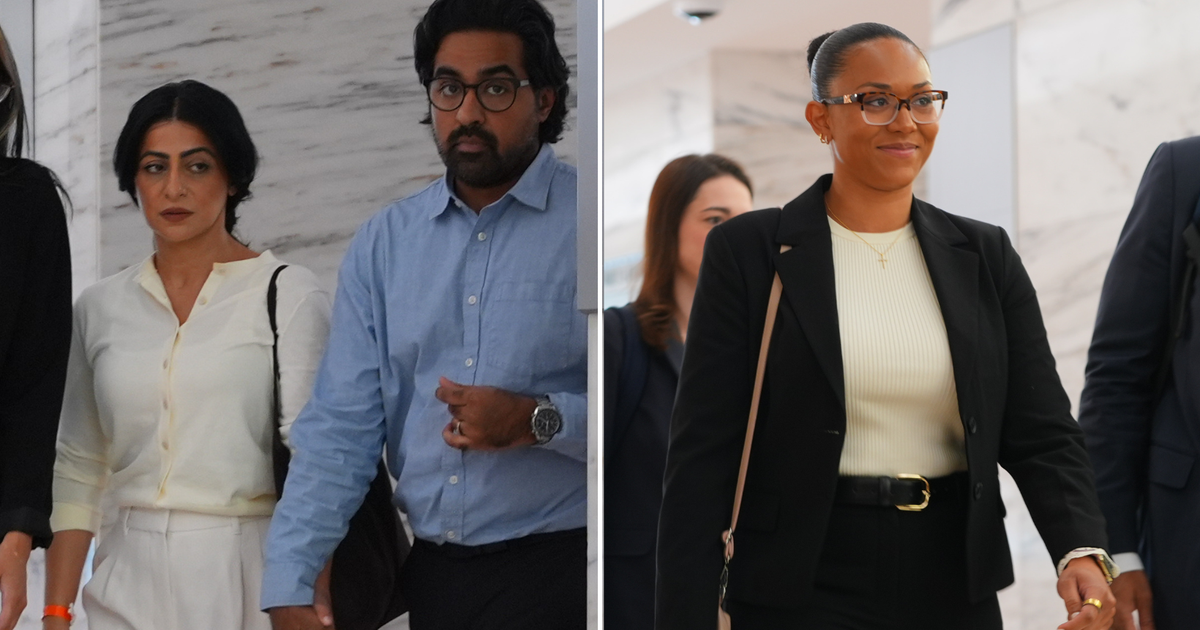
A Dallas judge delayed a custody decision in a legal dispute involving a newborn with a rare heart defect, extending a temporary restraining order for two weeks. The case involves McKenna West, a surrogate from Alaska, and the biological parents, Nausheen Gilkar and Omar Ahmed. The dispute centers on the child's medical care and custody following West's relocation to Texas during the pregnancy to prevent a requested abortion.
West moved to Texas after the fetus was diagnosed at 20 weeks with hypoplastic left heart syndrome, a condition where the left side of the heart is underdeveloped. According to the office of Texas Attorney General Ken Paxton (R), West relocated to ensure the child was born in a state with a near-total abortion ban. Paxton's office intervened in the case, securing a court order to ensure the newborn received medical treatment. A restraining order currently mandates that Gilkar and Ahmed, not West, are responsible for the infant's medical decisions.
During a hearing on Aug. 25, 2026, Gilkar testified that she and Ahmed are committed to the baby's care and denied claims that they would withhold treatment. She reported that the infant has already undergone the first of three required surgeries. Gilkar testified that West had withheld medical records and moved to Texas without notifying the parents. West admitted to withholding the records and stated she would consider dropping her custody claim if the parents commit to providing the infant with lifesaving medical care.
The concrete day-to-day impact is currently felt by the infant, who remains in critical care, and the parents, who must navigate a Dallas courtroom while managing the child's immediate post-surgical recovery. Gilkar testified that the baby has required a blood transfusion and has experienced difficulty breathing while on medical tubes. For the parents, the legal proceedings determine their ongoing rights to make medical decisions for their child, while the surrogate's legal standing rests on her claims regarding the baby's right to treatment.
The knock-on effects of this case include the potential for legal precedents regarding the enforcement of surrogacy contracts and the authority of state officials to intervene in parental medical decisions. The involvement of the Texas Attorney General's office highlights how state executive branches may use existing laws to influence private custody and medical disputes involving unborn or newborn children. A final custody determination has been postponed for two weeks, at which point the court will revisit the temporary restraining order and the competing claims for the child's future care.
The baby is currently less than two weeks old and remains in critical condition. The next court action is expected following the expiration of the two-week extension of the temporary restraining order. No specific date for the next hearing was reported.