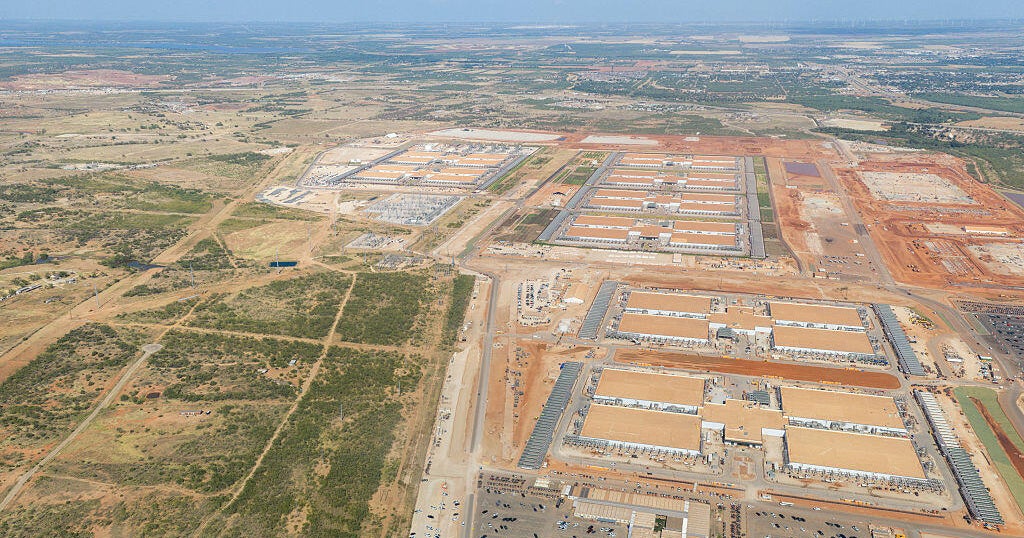
The construction of data centers to support artificial intelligence has emerged as a central issue in the 2026 midterm elections, creating policy divisions within the Republican party. According to Cleanview Research, 75% of data centers currently under construction and 80% of those in the planning stages are located in predominantly Republican states. While President Trump has publicly advocated for the facilities as essential for economic competitiveness against China, several Republican candidates in closely contested races have begun to distance themselves from the industry.
This shift follows a change in the geographical distribution of the facilities. While most data centers were located in blue states when ChatGPT launched in late 2022, Cleanview Research reports that 68% of operational data centers were in red states by 2025. Industry analysts attribute this trend to the availability of open land and a history of accepting energy-intensive infrastructure in rural areas. However, growing public concern over noise, property values, and rising electricity costs has led to increased political opposition.
In Texas, Governor Greg Abbott (R) implemented a moratorium on environmental permits and grid connections for new data centers, despite previously calling the state an "epicenter of AI development." In Ohio, Republican gubernatorial candidate Vivek Ramaswamy has pledged to halt all new project approvals until the state passes legislation requiring data centers to provide free electricity to local residents. These moves come as campaign spending on ads mentioning data centers reached $45 million this year, with AdImpact reporting that the majority of these ads express opposition to the facilities.
The scale of the opposition is reflected in national polling data. An NBC News poll found that 64% of voters are less likely to support a candidate who favors local data center construction, while only 11% say such support would increase their likelihood of voting for that candidate. An NPR/PBS/Marist poll further detailed this divide, showing opposition from 82% of Democrats and 72% of independents, compared to a near-even split among Republicans, with 46% in favor and 44% opposed. Residents in affected areas have reported concrete day-to-day concerns, including increased utility bills due to grid congestion and noise from cooling systems and power plants.
The political shift has led to bipartisan alignment on restrictive policies in several states. In Pennsylvania, Republican state treasurer Stacy Garrity and Democratic Governor Josh Shapiro have moved toward stricter standards or development pauses following public backlash. In Georgia, Republican gubernatorial candidate Rick Jackson has maintained support for the projects, citing potential property tax eliminations for residents in counties like Effingham, where OpenAI has planned a $20 billion facility. Following the November 3rd elections, the newly elected officials will face immediate deadlines to either uphold current moratoriums or proceed with planned multi-billion dollar infrastructure projects.