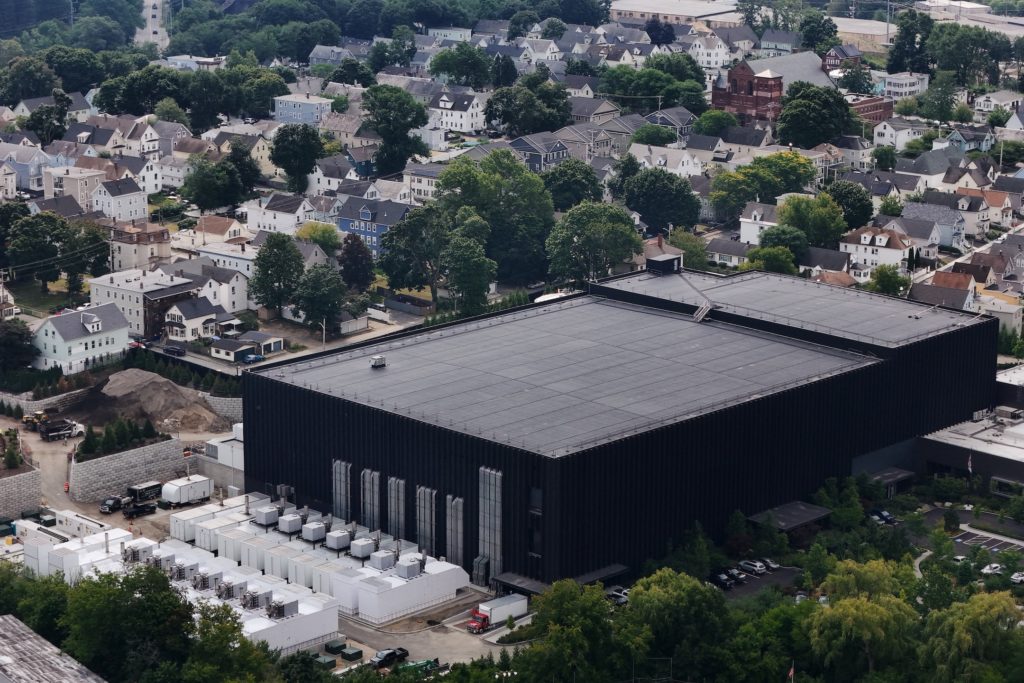
Local opposition to artificial intelligence data centers has emerged as a significant factor in several midterm election races. Political candidates have begun drafting and promoting new policies to address the development of these facilities in response to voter feedback. The issue appears to be drawing bipartisan attention as campaigns seek to address community concerns regarding the expansion of data infrastructure.
Data centers are large-scale facilities designed to house computer systems and associated components, such as telecommunications and storage systems. The recent growth of these centers is driven by the increasing demand for artificial intelligence processing power. While these facilities can provide local tax revenue, they also require significant amounts of land, water, and electricity to operate.
According to Clara Ence Morse of The Washington Post, candidates are racing to establish positions on how these centers should be regulated or situated. Lisa Desjardins of PBS News reported that the issue has become a unifying point for many voters who otherwise disagree on national political topics. Specific policy proposals currently under discussion include zoning restrictions, environmental impact requirements, and utility usage caps.
Residents in affected areas may notice changes in local zoning laws, property values, and the physical landscape of their communities as early as this election cycle. These developments could also influence state-level energy policies, as governors and legislatures must balance the economic benefits of hosting high-tech infrastructure against the resource demands they place on public utilities. Small-business owners and farmers may also see shifts in competition for land and water rights depending on local legislative outcomes.
The political focus on data centers sets a precedent for how future technological infrastructure projects are handled at the ballot box. Candidates who successfully navigate this issue may establish new frameworks for corporate land use that other states could adopt. What happens next depends on the outcome of the November midterm elections, where the strength of voter opposition will be tested. Legislative sessions following the elections are expected to take up formal bills based on the policy platforms currently being debated on the campaign trail.