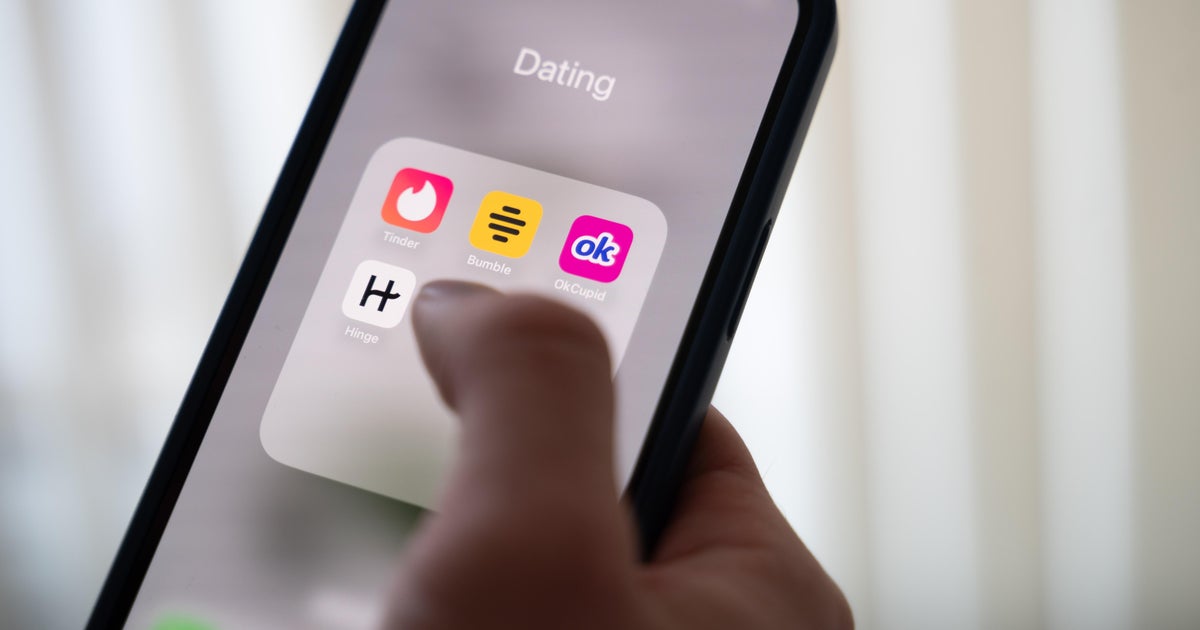
Major dating platforms, including Hinge and Bumble, have policies and use detection tools to address the use of artificial intelligence in user photos. While dating app users have long used filters to edit images, generative AI now allows individuals to create high-quality images, change attire, or fabricate entire scenes in seconds. Platforms are responding by utilizing a combination of automated software and human moderators to identify and remove inauthentic content.
Dating consultant Lana Li, who operates the Substack "Love Me Like a Robot," describes herself as a "digital stylist" for men. She reported using AI tools like ChatGPT and FaceApp to modify client photos by changing outfits, hairstyles, or facial expressions, such as lifting the corners of a mouth to appear friendlier. Li stated she refuses requests to place a client's head on a different body, citing the need to represent the person accurately.
Specific instances of AI use have resulted in platform enforcement actions. One New York City man in his 50s reported that an AI-generated headshot from the service Aragon.ai, which depicted him on a Manhattan rooftop, initially increased his profile engagement on Hinge. However, he was subsequently banned from the app. Although he regained access to his account, he removed the photo, suspecting it triggered the platform's automated detection tools.
The use of AI in this sector appears to involve more men than women. According to Kathryn Coduto, an assistant professor at Boston University, men appear more likely to use AI tools to stand out in a competitive digital environment where women typically receive more matches. This development sets a precedent for how digital identity is regulated in social spaces. If the technology continues to evolve, it may lead to more verification requirements to ensure that the person on the other end of a conversation matches their digital representation.
What happens next depends on the ongoing technological competition between AI generation and detection tools. Hinge and Bumble have stated they will continue to update their terms of service as generative AI evolves, relying on member reporting and AI-powered detection to enforce bans. No specific deadlines for new verification features were reported, but Match Group stated they are currently monitoring user feedback regarding the demand for transparency and authenticity in online dating.