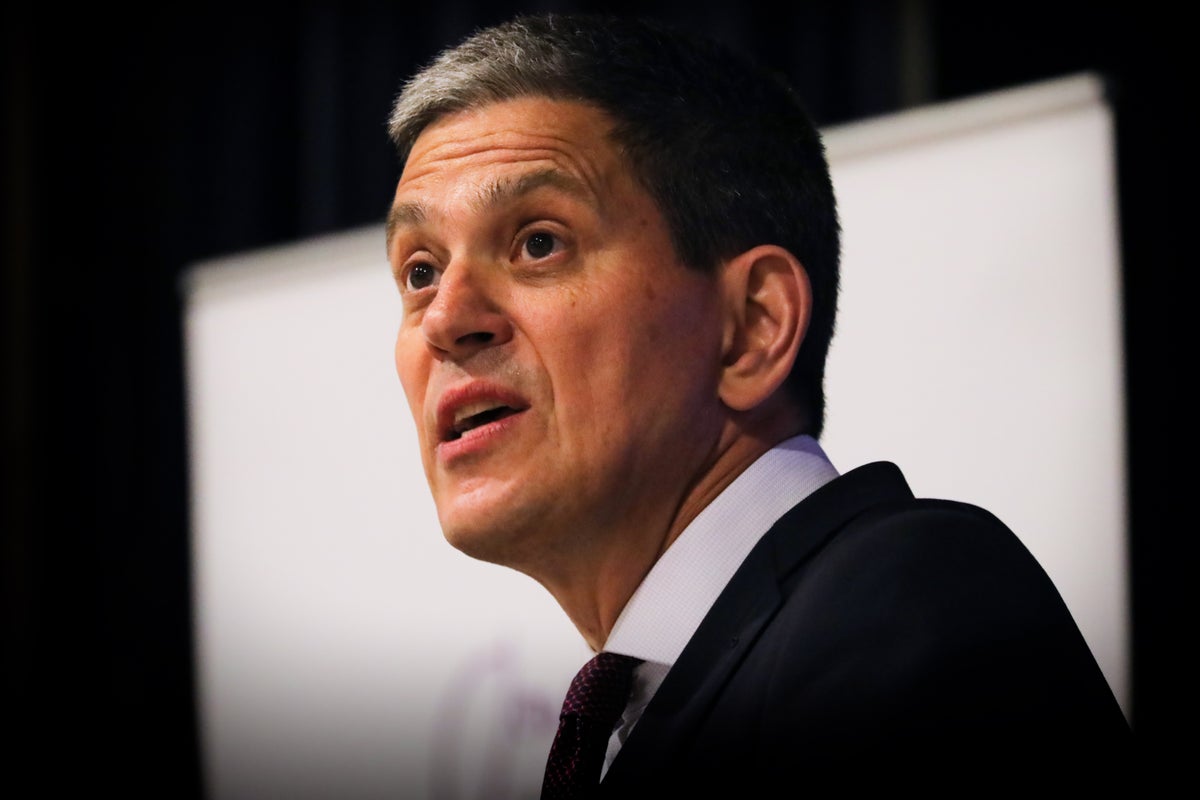
David Miliband, the former British foreign secretary and current head of the International Rescue Committee (IRC), has stated that reductions in international aid by the United States and United Kingdom are contributing to humanitarian crises. In an interview published on Wednesday, September 23, 2026, Miliband attributed a resurgent Ebola outbreak in the Democratic Republic of Congo (DRC) to funding cuts by the administration of Donald Trump. He reported that the outbreak has resulted in more than 3,000 deaths since May.
The comments come amid a series of aid reductions by both major donor nations. Under the Trump administration, the annual budget for the IRC was reduced from $1.5 billion to $1 billion. In the United Kingdom, the Labour government led by Prime Minister Andy Burnham has maintained a reduction in international development spending to 0.3 percent of national income, a decrease from the 0.5 percent level set by the administration of Sir Keir Starmer. Miliband characterized these decisions as short-sighted, arguing that they undermine effective programs.
Miliband noted that the lack of proper washing facilities and infection control in the DRC followed the U.S. government's decision to cut IRC funding in the region. He also highlighted broader global needs, stating that 45 million children face acute malnutrition and 2 million women die annually from bleeding during childbirth. Despite his criticism of the current UK aid levels, Miliband praised Prime Minister Burnham’s leadership style, though he noted that the size of the aid budget is determined by Chancellor John Healey at the Treasury rather than Foreign Secretary Ed Miliband.
For UK and US taxpayers, these cuts represent a redistribution of billions of dollars and pounds away from international development projects. In the UK, the shift from 0.5 percent to 0.3 percent of national income represents a reduction in the total development budget. The IRC alone saw a $500 million decrease in its annual budget due to US policy changes. These changes set a precedent for donor nations prioritizing domestic fiscal concerns over long-standing international spending targets, potentially altering the landscape of global health security and emergency response.
What happens next involves the continued monitoring of the Ebola outbreak in Africa and future budget cycles in both the US and UK. In the UK, the size of the aid budget remains under the control of the Treasury, led by Chancellor John Healey, with no confirmed dates for a reversal of the current 0.3 percent spending level. The International Rescue Committee continues to operate with its $1 billion budget while advocating for a return to higher funding levels based on randomized controlled trials of aid effectiveness. Future dates for legislative votes on aid spending or emergency health funding in response to the DRC outbreak were not reported.