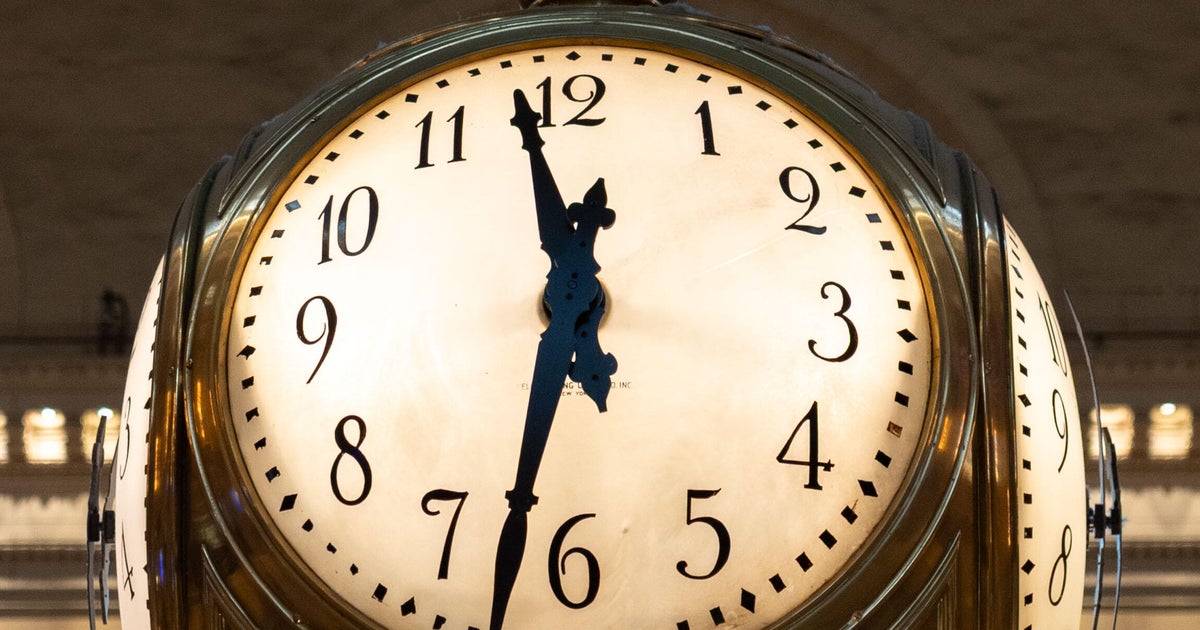
Daylight saving time for 2026 ends at 2 a.m. local time on Sunday, Nov. 1, when most of the U.S. will set clocks back one hour to return to standard time. The change, occurring during Halloween weekend, will result in earlier sunrises and darker afternoons for the winter months.
The U.S. first adopted the time change in 1918 to conserve fuel during World War I, and later implemented year-round daylight saving time during World War II and the 1970s energy crisis. The current uniform schedule was established by Congress in 1966 and updated in 2007 to move the end date from October to the first Sunday of November.
While the change provides an additional hour of sleep, health organizations such as the American Medical Association and the American Academy of Sleep Medicine advocate for permanent standard time. They state that standard time better aligns with human biology and the circadian rhythm—the 24-hour cycle regulating alertness—by providing morning light that helps the brain synchronize its internal clock.
The time change affects the daily routines of millions of residents across 48 states and five U.S. territories. In Boston, for example, the shift will cause the sunset to occur at 4:37 p.m. on Sunday, more than an hour earlier than the 5:39 p.m. sunset on Saturday. While travelers may experience effects similar to jet lag, shift workers and approximately one in three U.S. adults who already sleep less than seven hours nightly face additional pressure on their schedules. The American Academy of Sleep Medicine notes that the spring transition has been linked to temporary increases in car crashes and heart attacks, though the fall transition primarily impacts those with seasonal affective disorder due to reduced evening sunlight.
The shift affects almost every American household, as digital devices like smartphones typically update automatically, while manual clocks require adjustment before bed on Saturday. The change does not apply to residents of Hawaii, most of Arizona, American Samoa, Guam, the Northern Mariana Islands, Puerto Rico, or the U.S. Virgin Islands. The Navajo Nation in Arizona remains an exception, continuing to observe the change to maintain consistency with its communities in Utah and New Mexico.
Legislative efforts to end the twice-yearly switch remain active in Congress through the Sunshine Protection Act. The bill, which would make daylight saving time permanent, passed the House in July and went to the Senate. President Donald Trump has expressed support for the measure, while Sen. Tom Cotton (R-AR) has opposed it, citing the "absurdly late sunrises" experienced during previous national experiments with permanent daylight saving time. If the Senate does not act before the new class of lawmakers takes office in early January 2027, the legislative process must restart. Clocks are currently scheduled to "spring forward" again on March 14, 2027.