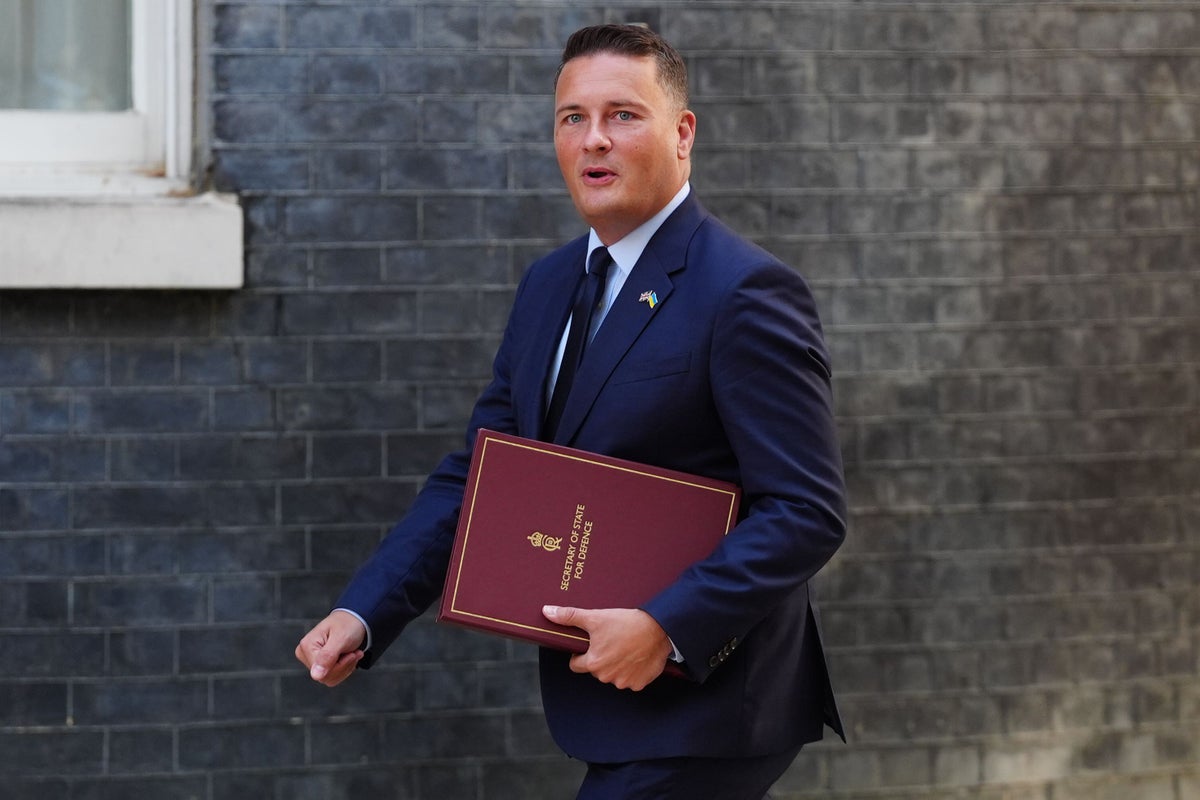
Defence Secretary Wes Streeting stated on Monday, October 19, 2026, that the U.K. armed forces must "live within their means" to address what he described as a history of routine overspending. The statement follows reports that the Ministry of Defence (MoD) had suspended certain non-essential training activities for British Army units to manage budget pressures.
The comments were made during Mr. Streeting’s first session of oral questions in the House of Commons since taking his cabinet post. This development follows reports from September 2026 indicating that collective training exercises for units based in the United Kingdom were being halted for the remainder of the year to address financial constraints.
Mr. Streeting told Members of Parliament that upon his arrival at the MoD, he identified an in-year overspend that would have resulted in the department being overcommitted by year’s end. He stated that while the government is working toward an increase in defence spending, the department must improve value for money and productivity. He confirmed that while major exercises will continue, some "reprioritisation" of training was necessary to ensure fiscal discipline.
The scale of this shift is tied to broader national fiscal goals, as the government faces pressure to increase defence spending to 3% of national income by 2030 and 3.5% by 2035. For the average taxpayer, these percentages represent billions of pounds in projected annual spending. Mr. Streeting stated the current "reprioritisation" is intended to change the internal culture of the MoD, which he claims has historically struggled with routine overspending. The specific impact on military readiness or the long-term effectiveness of units unable to complete these exercises was not detailed in the report.
This policy sets a precedent for how the MoD will handle future budget gaps, prioritizing fiscal alignment over non-essential training schedules. The next significant development will occur during next year’s spending review, when Chancellor John Healey is expected to outline the specific path to reaching the 3% spending target by 2030. Until that review, the armed forces will be expected to operate within the current budgetary limits established by the Secretary.