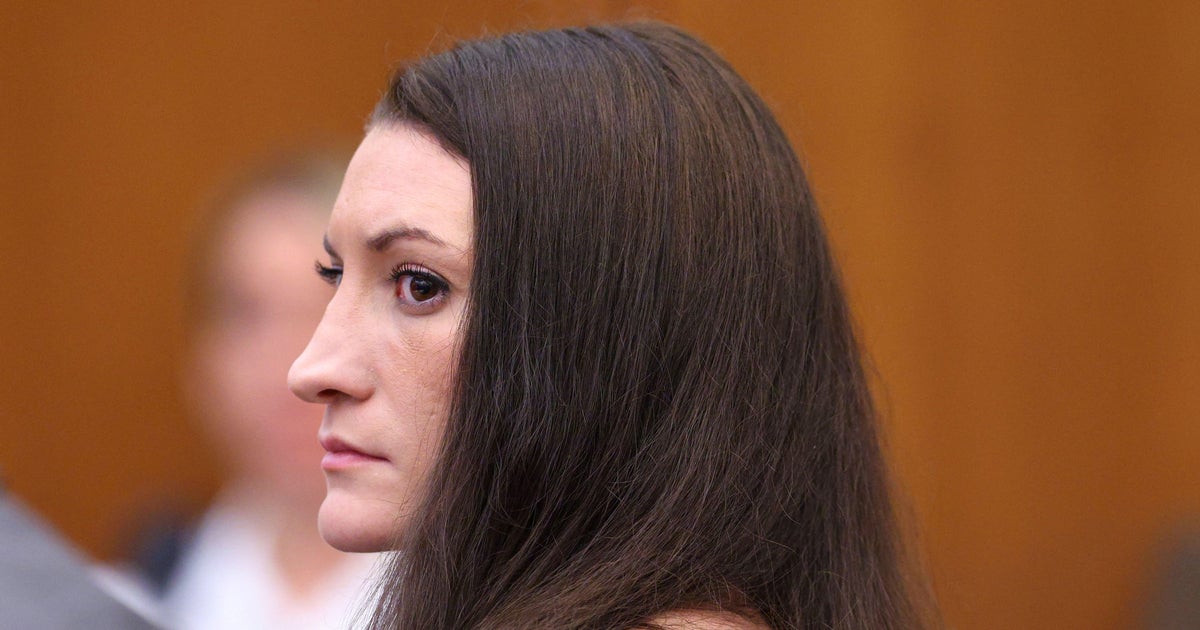
Defense attorneys for Lindsay Clancy began presenting their case in Plymouth Superior Court on Monday after prosecutors finished their presentation of evidence. Clancy, 36, has pleaded not guilty to murder charges following the deaths of her children, 5-year-old Cora, 3-year-old Dawson, and 8-month-old Callan, in their Duxbury, Massachusetts, home on Jan. 24, 2023. While the defense does not deny that Clancy caused the deaths, they argue she was suffering from postpartum psychosis and bipolar disorder exacerbated by overmedication.
The case follows an investigation into the January 2023 events where Clancy allegedly attacked her children before jumping from a second-story window, an act that left her paralyzed from the waist down. The prosecution has argued that Clancy faked a suicide attempt and planned the killings. Jurors have spent several weeks hearing testimony regarding Clancy’s mental state, her medical treatment leading up to the incident, and her private writings.
During the defense's opening testimony on Aug. 17, Clancy’s mother, Paula Musgrove, testified that her daughter had expressed thoughts of harming the children in December 2022. Musgrove also stated that in the days preceding the deaths, Clancy appeared paranoid and reported memory loss, claiming that medication was "destroying her mind." On cross-examination, Musgrove testified that despite these observations, she had not sought to have her daughter committed to a mental health facility at the time.
Earlier in the trial, the jury reviewed digital evidence from Clancy's phone. State Police Detective Timothy Chiappini testified on Aug. 13 about notes Clancy wrote expressing sadness over her inability to parent her third child as she had her first. The jury also heard about her internet search history, which included queries about "how to slit your throat," "schizophrenia," and "hallucinations," as well as a search for "Can you treat a sociopath?" conducted four days before the children died.
For the community of Duxbury and the broader public, the case involves the deaths of three young children and the life-altering injury of a parent. The legal proceedings demonstrate how the court system manages graphic testimony and emotional outbursts; Judge William Sullivan has already had to instruct the jury twice to separate their emotional reactions from the evidence presented after Clancy was removed from the courtroom for sobbing. The scale of the medical evidence is significant, involving 14 telehealth appointments and 10 different medications prescribed to Clancy in the four months preceding the January 2023 incident.
The verdict may influence how courts weigh the role of prescription medications and psychiatric history in capital cases. Testimony from Dr. Jennifer Tufts revealed that Clancy was prescribed Zoloft, an antidepressant that carries warnings for younger users, though Tufts noted there is no evidence it causes suicidal ideation in individuals over age 24. With the defense now presenting its witnesses, the court will continue to evaluate whether Clancy's actions were the result of a planned criminal act or a psychotic break. The trial continues in Plymouth Superior Court with no specific end date currently reported.