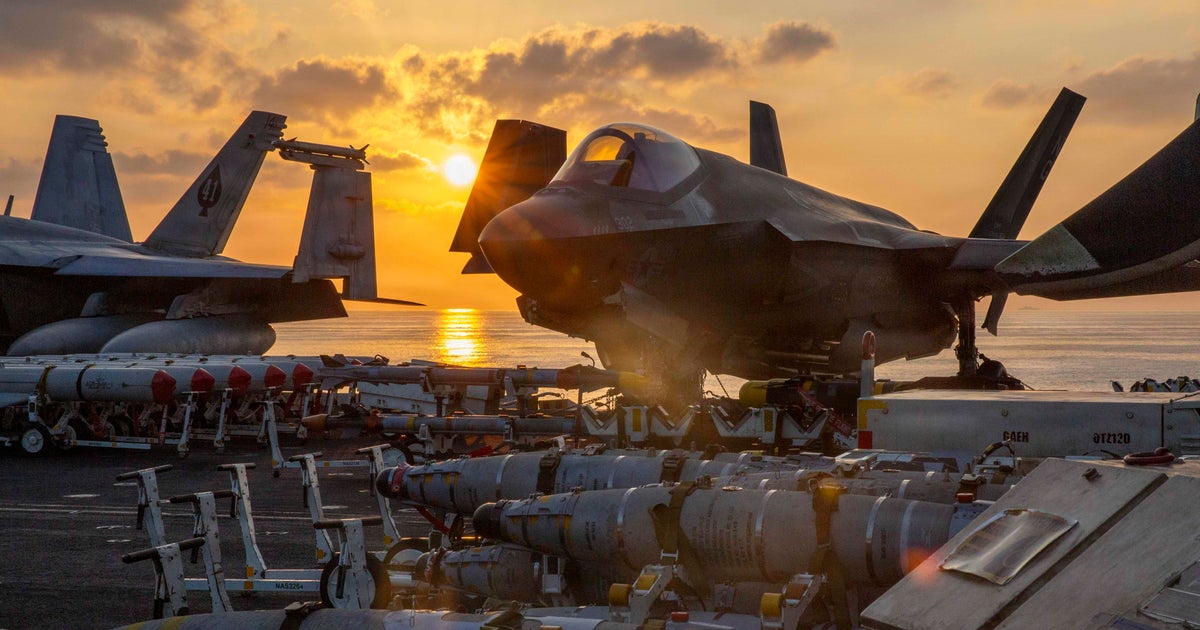
The Defense Department inspector general released a report on Monday stating that the United States faces ammunition shortfalls due to the ongoing conflict in Iran. The report, which is the first mandatory disclosure of its kind to Congress, covers the period from February 28 to June 30 under Operation Epic Fury. During those four months, the operation cost an estimated $33.4 billion, with $22.3 billion specifically spent on munitions.
The findings follow six months of military engagement in the Middle East. While U.S. Central Command reported striking more than 1,000 targets during the first 24 hours of the conflict, the scale of attacks has decreased in recent months. The inspector general noted that the rate of expenditure has created strategic inventory shortfalls and highlighted bottlenecks within the industrial base responsible for resupplying the military.
According to the report, U.S. asset losses include four F-15 fighter jets destroyed, one F-35 damaged, seven KC-135 tankers damaged, and up to 30 MQ-9 Reaper drones destroyed. Additionally, Iranian strikes caused damage to hundreds of buildings at U.S. bases across eight countries: Kuwait, Bahrain, Qatar, UAE, Saudi Arabia, Iraq, Oman, and Jordan. The report did not include the cost of these damages, as it is currently unclear if the structures will be rebuilt or who will pay for the repairs.
President Donald Trump has disputed claims of depleted stockpiles, stating on Truth Social on Monday that the U.S. is producing weapons at a rate higher than at any time in history. Previously, the President stated the U.S. has "virtually unlimited" ammunition. While the Pentagon has denied reports of shortages, Defense Secretary Pete Hegseth has been urging the defense industry to increase manufacturing. Tim Cahill, head of Lockheed Martin’s missile division, described the current production environment as "controlled chaos."
For the American public, these figures represent a rapid expenditure of taxpayer funds on hardware that is difficult to replace quickly. For example, a single Patriot air defense missile costs roughly $4 million, and current production at Lockheed Martin is limited to 750 units per year. Mark Cancian of the Center for Strategic and International Studies noted that while current supplies may suffice for the conflict in Iran, a prolonged conflict or a separate engagement with a power like China would present a "great challenge" by the second or third month of fighting.
The day-to-day change for the defense industry involves a shift toward increased production speeds to overcome what the inspector general called "industrial base bottlenecks." This could lead to increased federal contracts and pressure on supply chains for specialized components. What happens next depends on congressional response to the inspector general’s findings and whether the Pentagon adjusts its procurement strategies. The report did not provide a specific deadline for replenishing the strategic inventory or a final tally for base reconstruction costs.