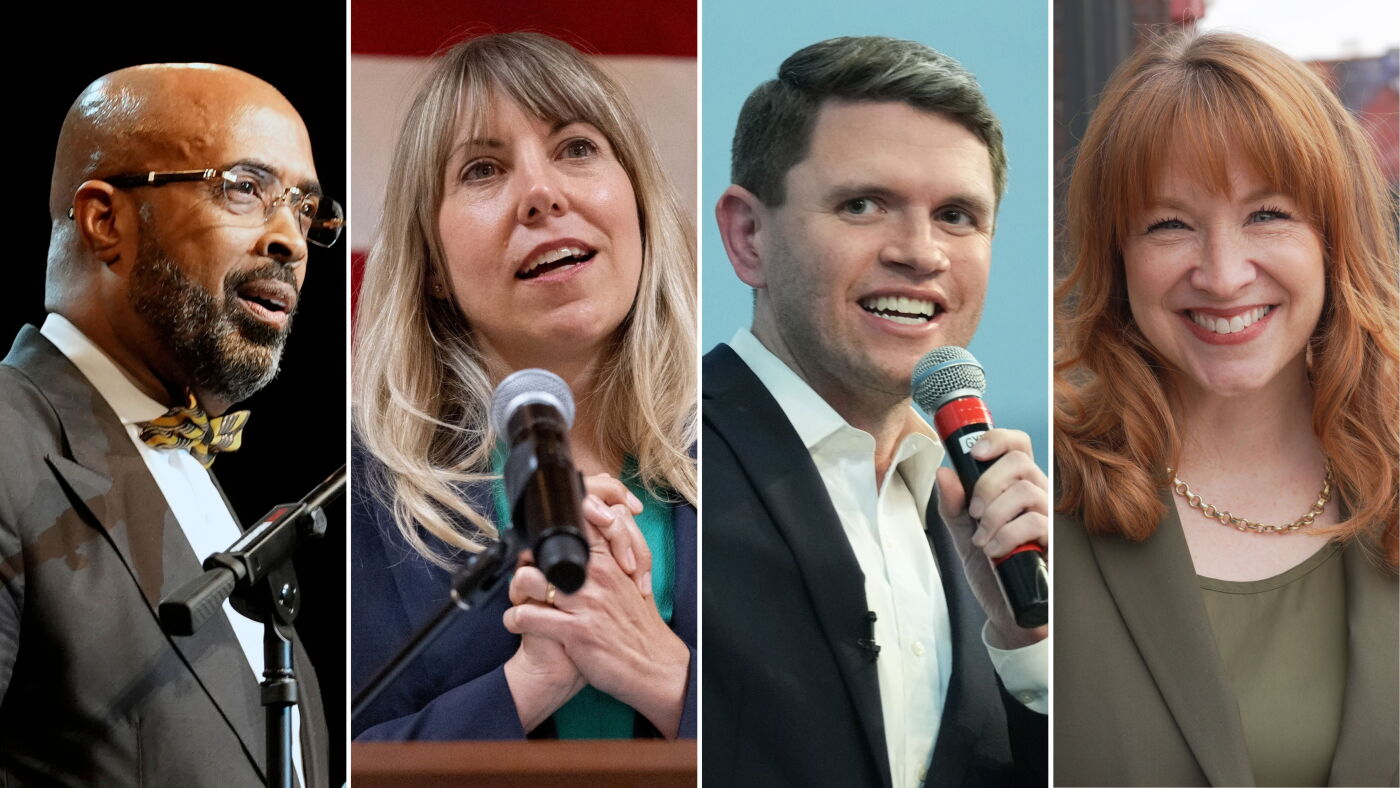
At least six Democratic candidates for Congress who are members of the clergy or seminary students are centering their Christian faith in midterm election campaigns. These candidates, running in states including Texas and Iowa, are using biblical teachings to advocate for policies regarding health care, economic opportunity, and veteran services. While Democrats historically have voters who report being less religious on average than Republicans, these candidates describe their runs as a call to ministry and a response to the actions of the Trump administration.
Republican opponents have challenged the religious credentials of these candidates, with some using the term "PINOs"—Pastors In Name Only. Texas Lt. Gov. Dan Patrick (R) and Texas Attorney General Ken Paxton (R) have criticized Texas State Rep. James Talarico (D), the U.S. Senate nominee, with Patrick stating Talarico was "campaigning against God." Talarico, a student at Austin Presbyterian Theological Seminary, has responded by stating that his faith opposes "Christian nationalism" and that he views the denial of health care as a moral issue.
In Dallas, the Rev. Frederick Haynes III, pastor of the 13,000-member Friendship-West Baptist Church, is seeking a seat in U.S. House District 30. In Iowa, State Sen. Sarah Trone Garriott, an ordained Lutheran pastor, is running for the 3rd Congressional District, while State Rep. Lindsay James, a Presbyterian chaplain, is the nominee for the 2nd Congressional District. Their opponents, including Rep. Zach Nunn (R-IA) and Joe Mitchell (R-IA), have questioned their interpretations of scripture and cited their votes against bills that would limit transgender rights as evidence that they do not follow traditional teachings.
For residents in Iowa's 2nd District, the policy focus includes rural health care funding and Medicaid reimbursement rates. Lindsay James cited figures showing that 27,000 Iowans in her district were at risk of losing health care coverage following federal spending reductions. Emergency medical workers in the region, such as Kip Ladage, noted that Medicare and Medicaid reimbursements sometimes cover only $100 of a $600 service call. The specific impact on household budgets and local clinic operations depends on whether these candidates can successfully influence federal budget priorities if elected.
The use of religious rhetoric by Democrats represents a shift in strategy intended to reach voters in "red" states where religion is a central part of public life. While some secular voters, such as Kristin Kott in Houston, expressed a preference for keeping religion out of politics entirely, other non-religious voters suggested that clergy might provide a different moral perspective to federal policy. The effectiveness of this approach will be tested on Election Day in November 2026, when voters in these districts decide whether faith-based messaging from the Democratic party resonates with the broader electorate.