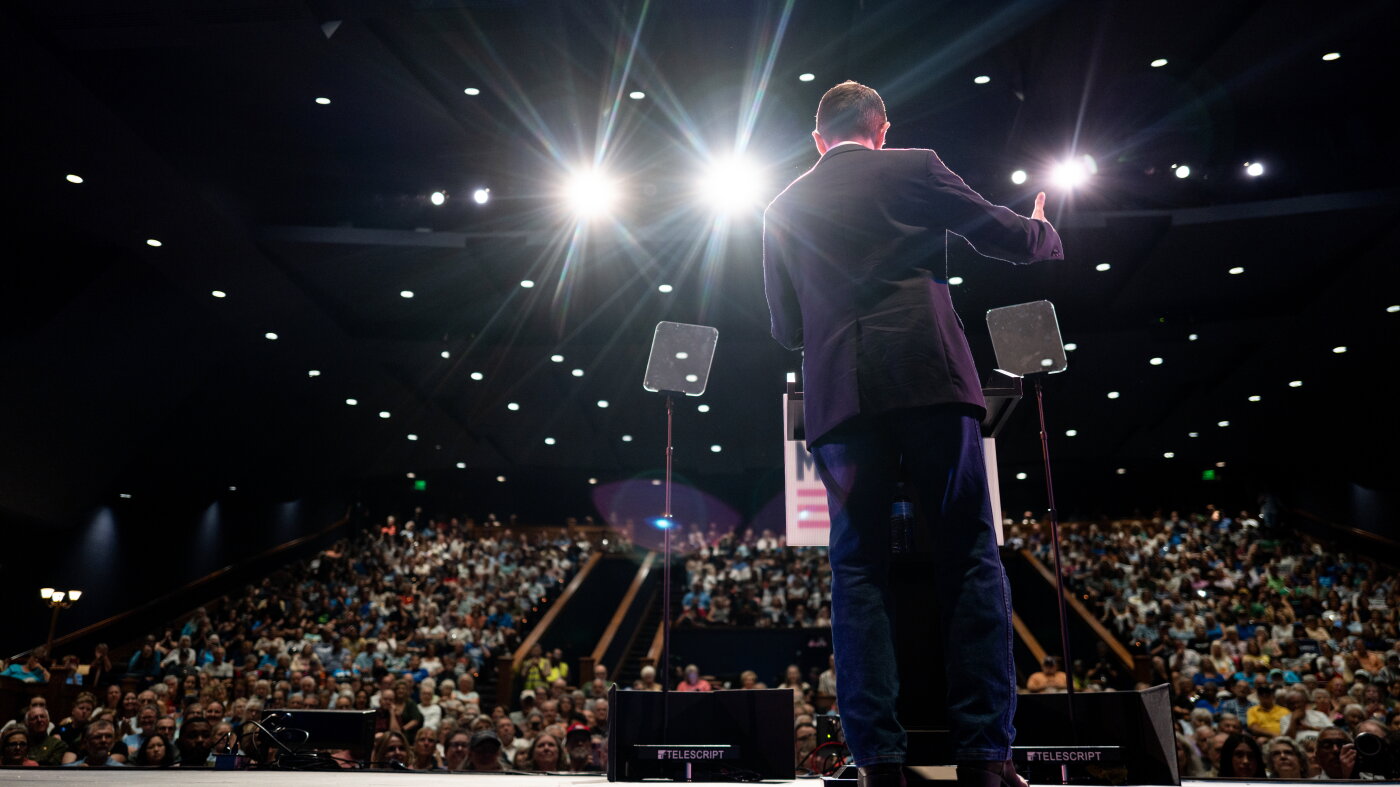
Several Democratic candidates who are ordained clergy or theology students are running for U.S. House and Senate seats in Texas and Iowa this midterm election cycle. These candidates are using religious rhetoric to advocate for policies related to healthcare, economic opportunity, and social justice. The group includes state legislators, a megachurch pastor, and a minister who has served as a chaplain.
The trend occurs as the Democratic Party seeks to win seats in states where religion remains a significant part of public life. While Republican candidates have long integrated faith into their platforms, it has been less common for Democrats to make religion a centerpiece of their campaigns. According to Pew Research Center data from 2023-24, approximately 28% of Democrats and Democratic-leaning adults consider religion "very important" in their lives, compared to about a third of the party identifying as secular or religiously unaffiliated.
In Texas, State Rep. James Talarico, a student at Austin Presbyterian Theological Seminary, is the Democratic nominee for the U.S. Senate. He is challenging Republican incumbent Attorney General Ken Paxton. Talarico has campaigned in churches, citing biblical teachings to support healthcare access and opposing what he describes as "Christian nationalism." Paxton and Texas Lt. Gov. Dan Patrick (R) have criticized Talarico’s religious framing; Patrick characterized Talarico’s rhetoric as "blasphemy" during the state Republican convention.
In Dallas, the Rev. Frederick Haynes III is the Democratic nominee for Texas’ 30th Congressional District. Haynes, who has led Friendship-West Baptist Church for more than 40 years, said his campaign is a response to redistricting that eliminated one of the state’s predominantly Black House districts. His opponent, Republican Everett Jackson, has accused Haynes of "politicizing the gospel." In Iowa, State Sen. Sarah Trone Garriott, a minister, is running for the 3rd Congressional District, while Lindsay James, a Presbyterian pastor, is also seeking a seat in Congress.
For the average resident in these districts, this shift may change the tone of political advertising and town hall discussions leading up to the November 3 general election. Voters would notice a different style of outreach, such as Talarico’s "Love Thy Neighbor" campaign signs or Haynes’ interfaith forums, which aim to connect secular policy goals like housing affordability and voting rights to religious values. The candidates argue that these themes provide a counter-narrative to the religious right, potentially altering how faith-based arguments are used in legislative debates regarding state and federal budgets.
The outcome of these races will serve as a test for whether religious messaging can help Democrats win in Republican-leaning states or if it alienates the party's secular base. If successful, this strategy could set a precedent for future Democratic recruitment of clergy members to contest seats in the South and Midwest. The knock-on effects could influence how both parties approach the Department of Defense and other federal agencies, as candidates like Talarico have already raised concerns about the influence of religious ideology within the military. The final results will be determined by voters on November 3, 2026.