Democratic primary elections held on Tuesday resulted in victories for candidates associated with both the establishment and progressive sectors of the party. The outcomes have initiated a internal debate regarding the party's platform and messaging strategy as the midterm election cycle approaches.
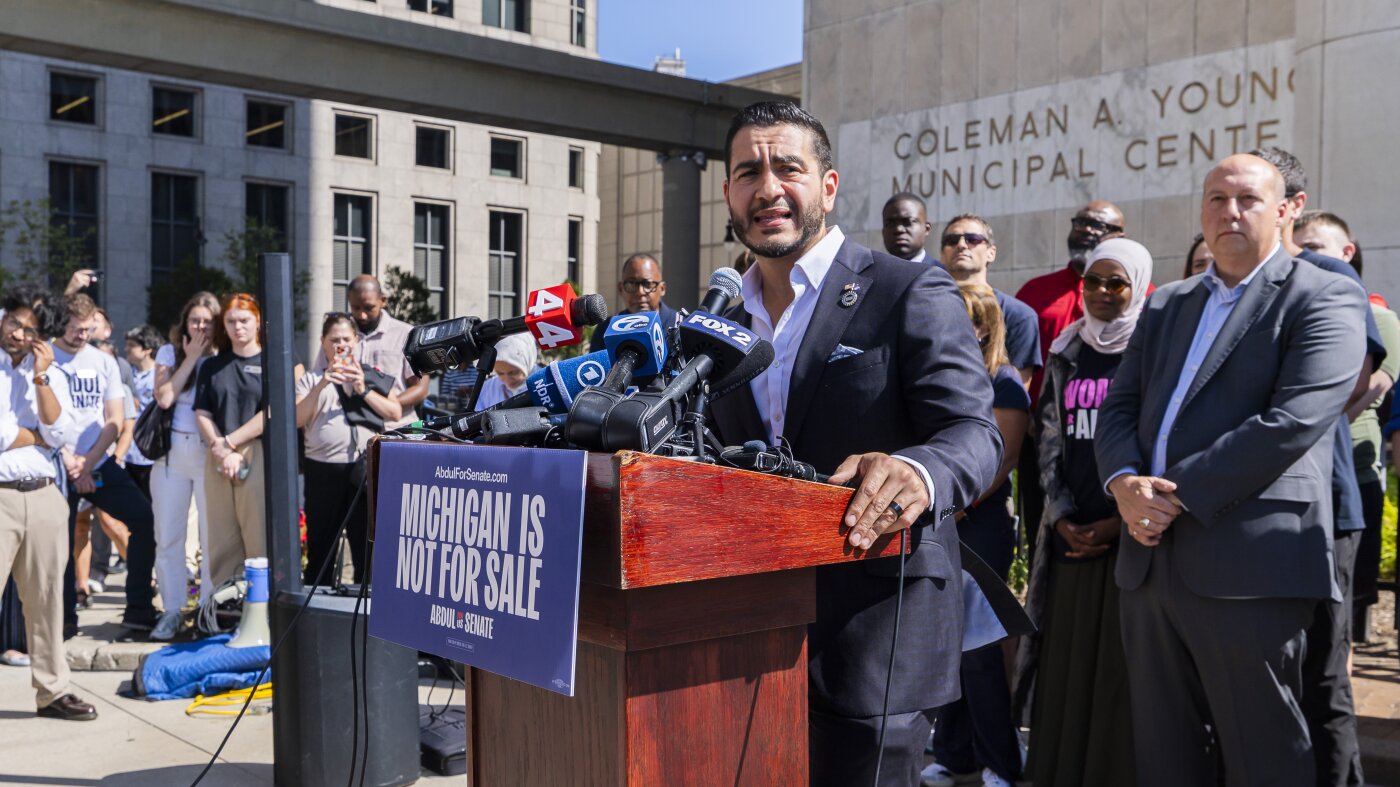
In one notable race, Abdul El-Sayed secured the victory in the Michigan Democratic Senate primary. Following his win, El-Sayed conducted a press conference on Wednesday at the Spirit of Detroit statue to address his supporters and the media.
The results indicate a divided outcome across various contests, with neither the progressive nor establishment wings of the party achieving a singular sweep. Party leadership and organizers are currently evaluating these results to determine the primary focus for the general election campaign.
The split success between different wings of the party will likely influence the day-to-day campaign messaging that voters see in advertisements and hear in speeches. A resident in a contested district may notice a shift in which policy priorities—such as healthcare or economic reform—are emphasized by their local candidate depending on which wing of the party that candidate aligns with. These decisions will impact how campaign funds are allocated and which legislative goals are prioritized if these candidates are elected to office.
This internal party dynamic sets a precedent for how the Democratic National Committee and various state-level organizations will manage resources leading into the November elections. The specific dates for the general elections were not reported in the source, but the primary results effectively end the nomination phase for these seats. The next steps involve the winners, such as El-Sayed, consolidating party support and beginning the final stage of the 2026 election cycle.