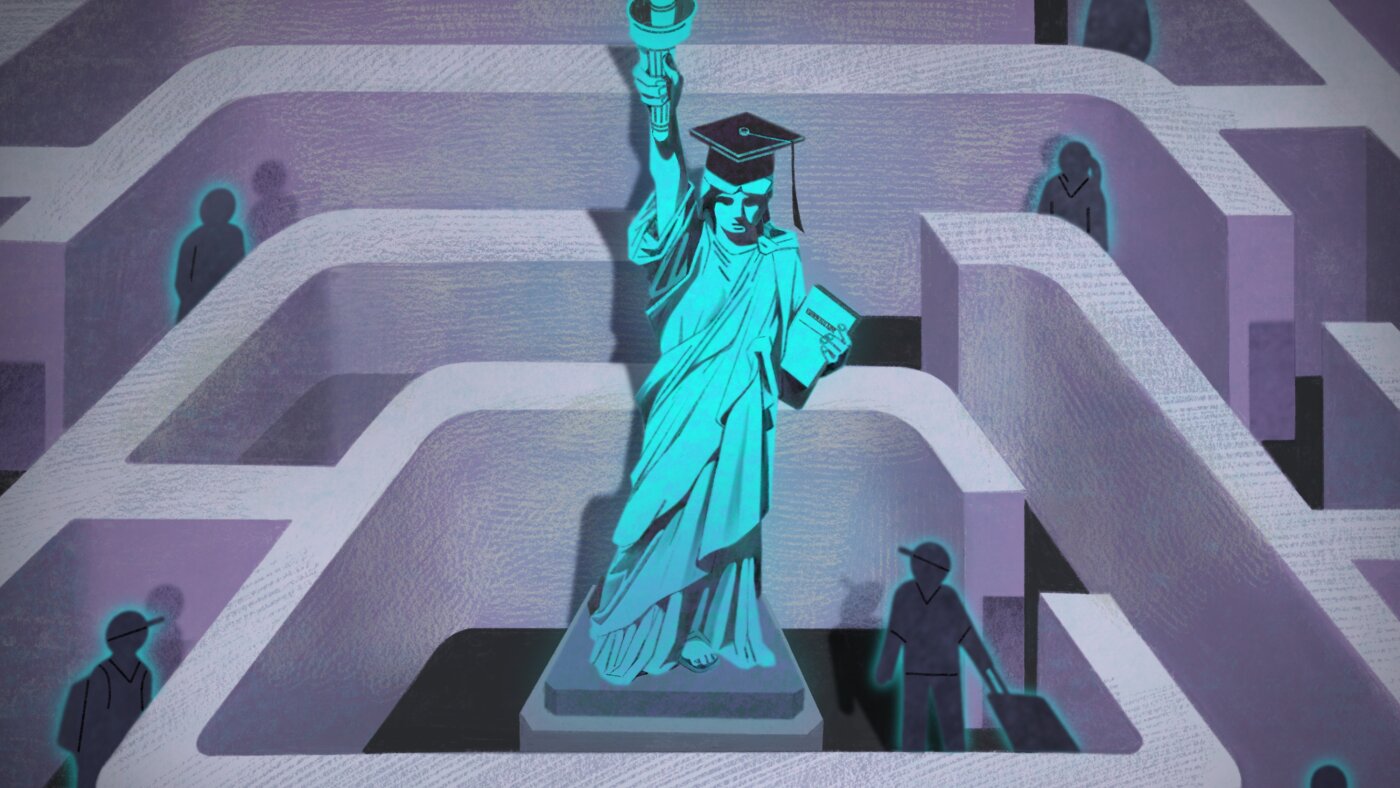
The Department of Homeland Security (DHS) announced a final rule last week that implements fixed time limits for international student visas. Under the new regulations, which take effect in mid-September 2026, most students on F or J visas will be admitted to the United States for a period of up to four years. Previously, these students were granted admission for the "duration of status," allowing them to remain in the country as long as they maintained their studies and followed legal requirements.
The rule introduces several new restrictions, including a prohibition on changing majors or transferring schools during the first year of study. It also shortens the post-graduation grace period for departing the country from 60 days to 30 days. Students requiring more than four years to complete their degrees, such as those in Ph.D. or medical programs, will now be required to apply for an extension and pay a related fee.
Homeland Security Secretary Markwayne Mullin stated the change is intended to improve national security and prevent "forever students" from intentionally prolonging their stay. DHS data from 2024 indicated a "suspected in-country overstay" rate of 2.45% among the 1.4 million student and exchange visa holders. Jessica Vaughan of the Center for Immigration Studies supported the measure, stating it provides the government with opportunities to re-vet individuals and confirm they still qualify for their visas.
University representatives and international education advocates expressed concern regarding the potential impact on enrollment and institutional budgets. Fanta Aw, CEO of NAFSA: Association of International Educators, characterized the rule as unnecessary bureaucracy that could weaken the global standing of American higher education. International students, who often pay full tuition and are ineligible for federal aid, represent up to 20% of the student population at some U.S. institutions.