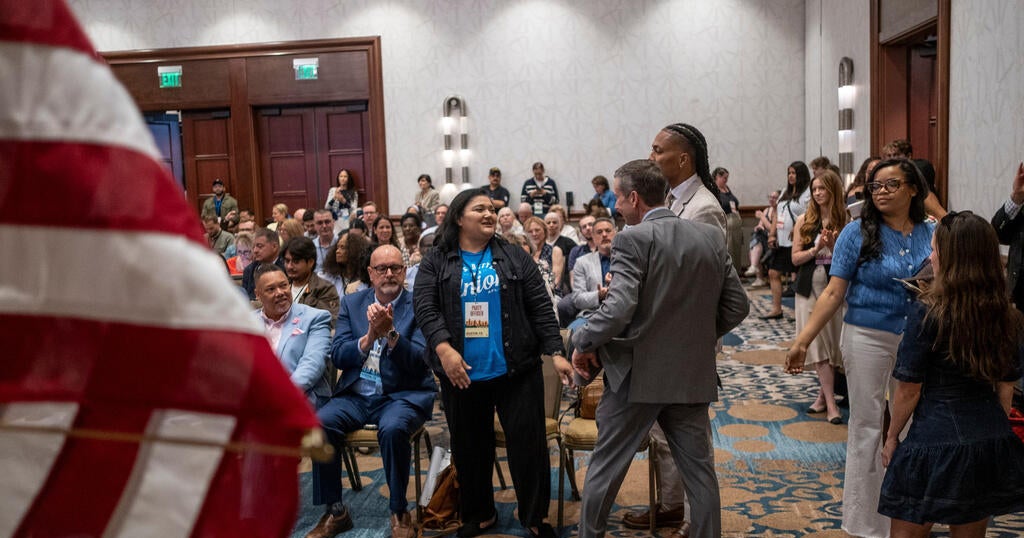
The Democratic National Committee (DNC) voted Saturday to establish a new 2028 presidential nominating calendar that officially designates South Carolina as the first primary state. During a summer meeting in Austin, committee members approved a schedule that begins in South Carolina on Jan. 22, 2028, followed by Nevada on Feb. 1. The early lineup also includes New Hampshire, New Mexico, Michigan, and Virginia, all of which are scheduled to vote before Super Tuesday.
The move continues a departure from a 50-year tradition in which Iowa and New Hampshire, states with predominantly white populations, held the first contests. DNC Chair Ken Martin stated that the new calendar is intended to reflect the party's diverse coalition and is central to the party's strategy for winning the presidency. Democratic strategist Chuck Rocha noted that the schedule increases the influence of Black and Latino voters, stating that candidates must show strength with these groups to succeed under the new order.
The decision has met with opposition from Democratic leaders in Iowa and New Hampshire. Iowa Democratic Chair Rita Hart criticized the plan, stating it excludes large portions of the country and misses the mark on ensuring the strongest nominee. New Hampshire's congressional delegation argued that their state remains a "tested proving ground" that vets candidates through direct voter engagement rather than donor-funded campaigns. New Hampshire previously defied a similar 2024 schedule by citing a state law that mandates it hold the first primary, resulting in the party stripping that contest of its sanctioned status.
The scale of the impact is reflected in recent general election data, which shows shifting allegiances among minority voting blocs. According to the Pew Research Center, Donald Trump's share of the Hispanic vote rose to 48% in 2024, a 12-point increase from 2020, while his support among Black voters nearly doubled to 15%. By prioritizing states with high minority populations early in the primary, the DNC intends to strengthen its engagement with these groups before the general election. The schedule change also impacts the ideological balance of the party; analysts suggest the lineup may favor moderate candidates in states like South Carolina and Virginia, while progressives may find more support in Nevada and New Mexico.
The concrete day-to-day change for voters in the affected states will be the timing of primary elections and the resulting surge in campaign appearances and political advertising beginning in January 2028. For New Hampshire, the move sets up a potential legal and procedural conflict, as the state has previously ignored DNC mandates to maintain its first-in-the-nation status. DNC Chair Ken Martin has indicated that punishments for states that jump ahead in 2028 will be more severe than the loss of sanctioned status seen in 2024. The next major steps involve state-level parties and legislatures finalizing their specific primary dates to align with or challenge the DNC's Jan. 22 start date.