Internal documents obtained by The Associated Press and The Guardian indicate that Health Secretary Robert F. Kennedy Jr. sought to study vaccines during a 2019 trip to Samoa, appearing to contradict testimony he gave during his 2025 congressional confirmation hearings. While Kennedy told senators his visit had "nothing to do with vaccines," a January 2019 letter he wrote to the Samoan prime minister specifically proposed a "health informatics assessment" of the nation’s measles, mumps, and rubella (MMR) vaccines.
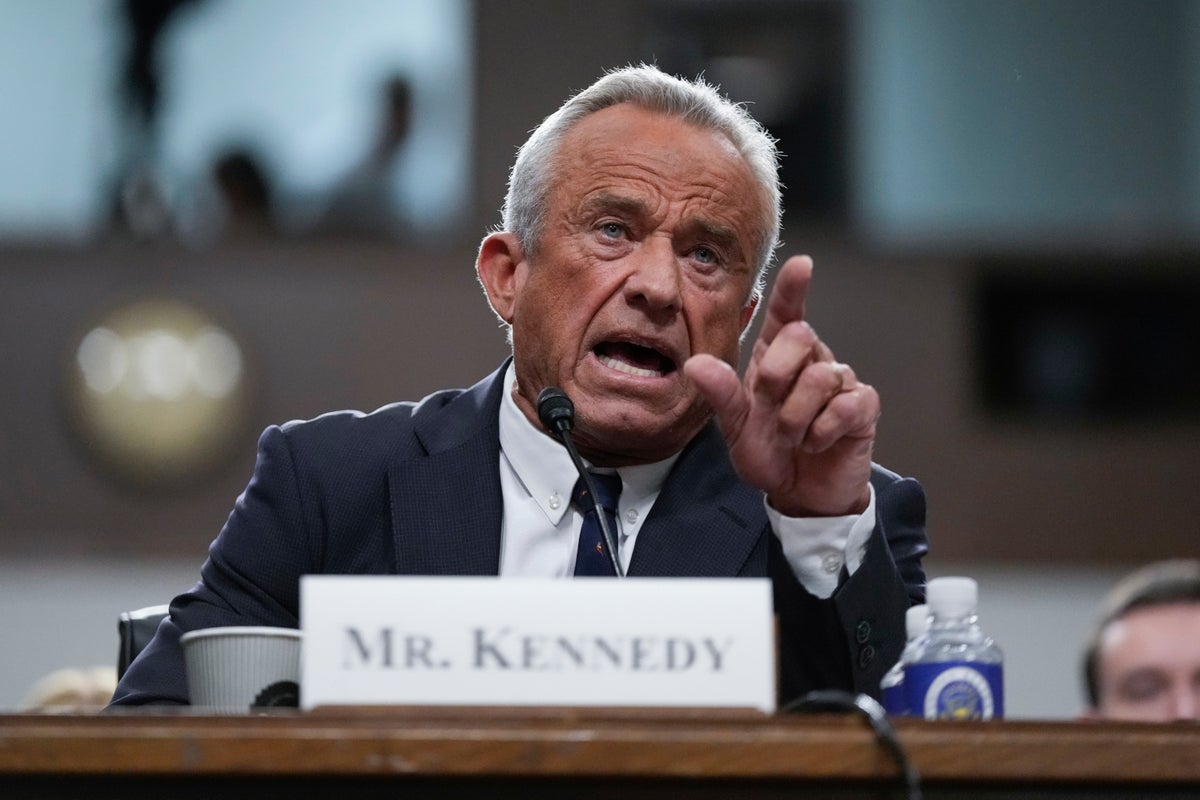
The 2019 visit occurred after the deaths of two Samoan children following MMR vaccinations, which led the government to suspend its vaccination program for ten months. Kennedy, then serving as chair of the nonprofit Children’s Health Defense, wrote to then-Prime Minister Tuilaepa Sailele Malielegaoi expressing his belief that the deaths might have resulted from vaccine manufacturing issues. During his 2025 confirmation process, Kennedy was questioned by Sen. Ron Wyden (D-OR) and Sen. Edward Markey (D-MA) regarding the trip, where he repeatedly stated his purpose was to introduce a digital medical records system, not to discuss vaccines.
The Department of Health and Human Services (HHS) denied that Kennedy misled Congress, stating the Samoa visit was unrelated to vaccines and describing claims to the contrary as "defamatory." The department noted that Kennedy was not under oath during the hearings, though providing false testimony to Congress remains a federal crime. The documents were released following a lawsuit against the State Department involving the Reporters Committee for Freedom of the Press.
For the American public, the dispute highlights potential shifts in national health policy and the reliability of commitments made by high-ranking officials. The scale of the historical event in Samoa involved a measles outbreak that sickened thousands and resulted in 83 deaths, mostly children under age five. Public health experts cited in reports stated that anti-vaccine activism, which they claimed was emboldened by Kennedy's 2019 visit, hampered efforts to contain that outbreak. U.S. citizens may see the effects of this breakdown in communication through changes in federal vaccine guidance or the management of public health advisory boards.
The immediate impact is likely to be political rather than legal, as a Republican-led Congress is reported to be unlikely to pursue impeachment or formal inquiries. However, the revelation of these documents sets a precedent for how future nominees' past international activities are scrutinized during the vetting process. While the HHS continues to defend the Secretary's statements, the tension between the department and Senate leadership could influence future health legislation and departmental funding. The next steps depend on whether Senate committees decide to hold further hearings or if the documented contradictions lead to additional oversight of HHS vaccine policy changes.