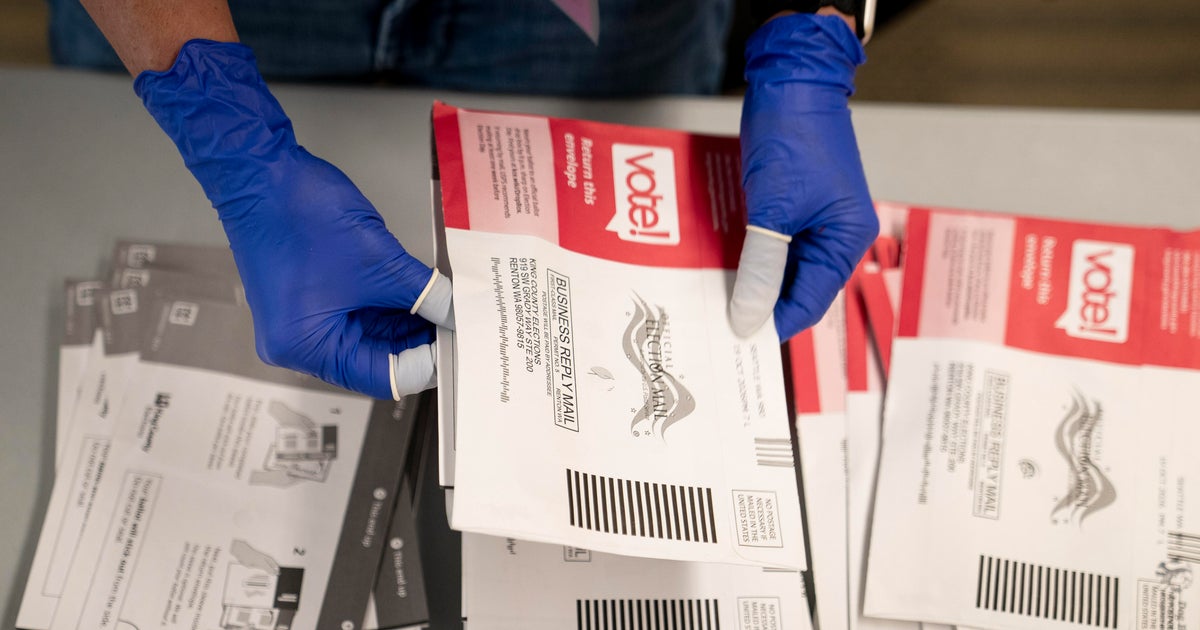
Federal prosecutors in Washington requested on Monday, October 26, 2026, that the state’s top election official sequester ballots from approximately 405 individuals they allege are not U.S. citizens. The U.S. Department of Justice (DOJ) asked that these ballots be set aside until citizenship can be verified, stating that these individuals may have cast more than 1,500 illegal ballots in previous elections.
The request follows a dismissed lawsuit from last month in which the Trump administration sought unredacted voter registration lists from Washington. After the state refused to provide names, addresses, and Social Security numbers, federal officials compared publicly available voter rolls with Department of Homeland Security (DHS) data to identify alleged noncitizens, including green-card holders.
Neil Floyd, the acting U.S. attorney in Seattle, stated at a news conference that the list of 405 people is "only the tip of the iceberg" and that further lists are expected from DHS. The DOJ gave Washington Secretary of State Steve Hobbs 48 hours to comply, warning that federal authorities would seek emergency relief in court if the state does not implement the requested sequestration by Wednesday, October 28, 2026.
Secretary Hobbs criticized the timing of the request, which arrived eight days before the November 3 general election, characterizing it as an attempt to cast suspicion on the results. His office noted that the DOJ's list included records for individuals who last voted in 1994 and expressed concern that the federal methodology could mistakenly flag legitimate U.S. citizens, potentially harassing voters and risking their right to vote.
For the affected individuals, this challenge means their ballots may not be tabulated alongside others on election night, and their eligibility will be subjected to additional verification. The DOJ’s demand for a 48-hour turnaround places an immediate administrative burden on the Secretary of State’s office during the final week of a general election. The outcome could influence the certification of results in competitive regions like the 3rd Congressional District, where Rep. Maria Gluesenkamp Perez (D-WA) is seeking reelection in a race considered critical for control of the U.S. House.
This move follows similar DOJ actions in California and Alaska, establishing a pattern of federal intervention in state-run mail-in voting systems just days before an election. In California, the DOJ sought to set aside 20,000 ballots, though an appeals court dismissed a request to force that state's compliance on Monday night. Washington officials have until Wednesday to respond to the DOJ list; if they refuse, the federal government has stated it will seek emergency relief, potentially leading to a court hearing before the November 3 election.