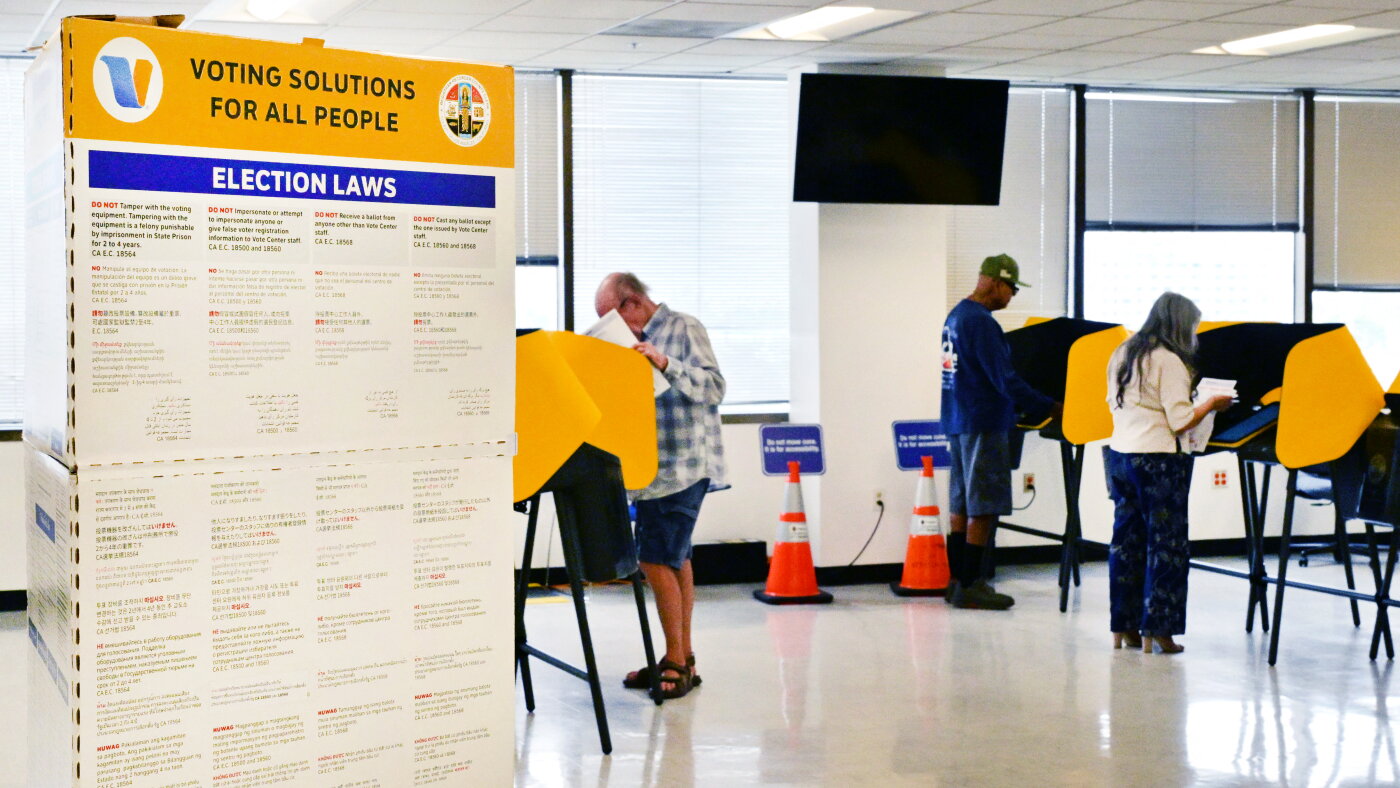
The U.S. Department of Justice (DOJ) announced on Monday, October 19, 2026, that it has charged 28 noncitizens in California with election-related crimes. The individuals, all of whom are green-card holders, are accused of illegally registering to vote or casting ballots in U.S. elections. Alongside the charges, the DOJ filed an emergency request in federal court to prevent California from processing ballots submitted by approximately 20,000 people the federal government has identified as "likely noncitizens."
This legal action follows a series of disputes between the Trump administration and California officials regarding the state's voter registration system. The conflict escalated last week when the DOJ provided Los Angeles County with a list of 20,000 names, giving local officials a 48-hour deadline to investigate their citizenship status. State and local officials declined the request, leading the federal government to file suit. Acting Deputy Attorney General Trent McCotter stated Monday that the department would not "look the other way while noncitizens vote," while California officials have requested more specific information regarding how the federal government identified these individuals.
The 28 individuals charged were identified from the DOJ's list of 20,000 names. Some of the accused allegedly registered to vote more than 20 years ago, and many are charged with making false statements on naturalization applications. Bill Essayli, First Assistant U.S. Attorney for California’s Central District, stated that these registrations were intentional acts rather than bureaucratic errors. Conversely, election law experts like Rick Hasen of UCLA noted that 28 allegations out of 20 million registered voters in California represent a very small fraction, and previously reported research suggests such registrations are often the result of administrative errors.
Local election officials, such as Dana Lewis of Pinal County, Arizona, indicated that administrators nationwide are monitoring these developments, fearing that close or contested races in other jurisdictions could face similar federal intervention. California Secretary of State Shirley Weber and Los Angeles County officials have argued that the DOJ's demands to segregate ballots violate the National Voter Registration Act. This federal law prohibits states from systematically removing voters from rolls within 90 days of an election to prevent the disenfranchisement of eligible voters due to last-minute administrative errors.
The concrete day-to-day change for voters in the affected jurisdictions involves increased scrutiny of registration rolls and the possibility of ballots being withheld from tabulation. The DOJ argues that failing to remove these names dilutes the votes of U.S. citizens, while civil rights groups, who have moved to intervene in the case, argue the move is an unlawful suspension of voting rights. A federal judge must now rule on the DOJ’s request for a restraining order to block the processing of these 20,000 ballots. No specific date for a court ruling was reported, but the DOJ has emphasized the urgency as early voting is currently underway.