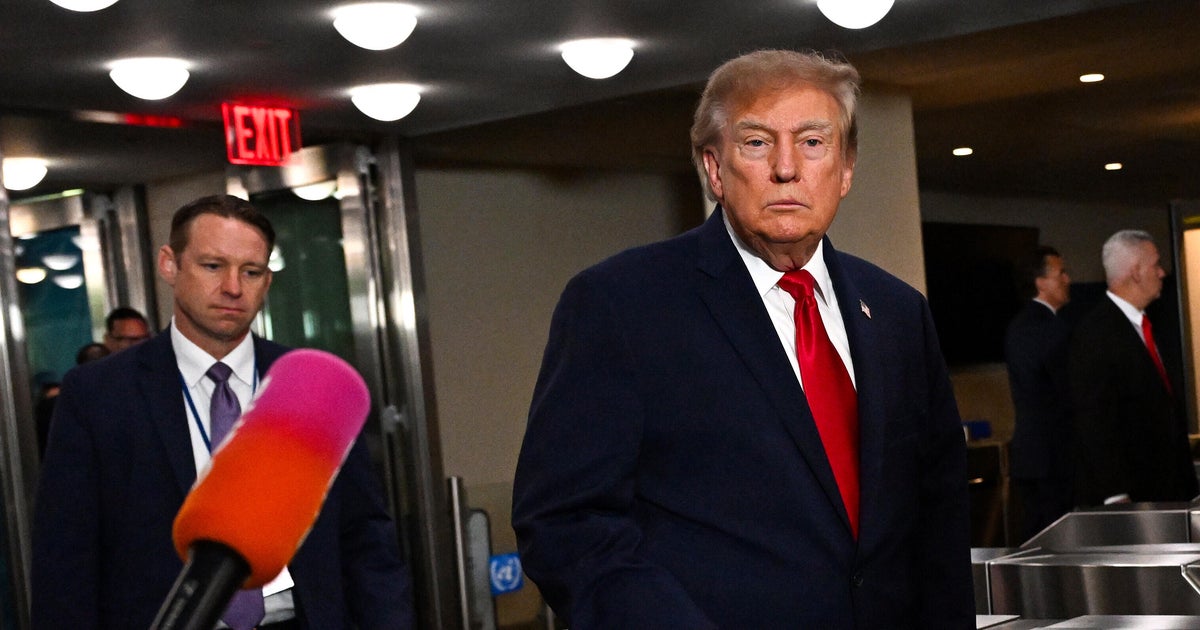
Justice Department lawyers filed a response in federal district court on Tuesday, September 22, defending President Donald Trump's decision to ban CNN, MS NOW, and Politico from the White House. The government argued that the president has the legal authority to revoke press credentials, asserting that access to the White House grounds is a privilege rather than a right. The filing claims the news outlets violated standards of professionalism and decorum by publishing sensitive or classified national security information and reporting verifiable falsehoods.
The legal dispute began on Monday, September 21, when the three news organizations sued the president and top administration officials after their journalists' "hard passes" were confiscated. The lawsuit, filed in Washington, D.C., names President Trump, White House Chief of Staff Susie Wiles, Communications Director Steven Cheung, and Secret Service head Sean Curran as defendants. The outlets allege the ban violates the First Amendment by discriminating based on viewpoint and the Fifth Amendment by denying due process, as no prior notice or hearing was provided before the revocation.
In court documents, the Justice Department cited specific reporting incidents to justify the ban. These included CNN's coverage of a bunker under the East Wing, MS NOW's reporting on a leak investigation, and Politico's reporting on Secret Service funding for a White House ballroom. The administration also cited reports concerning munitions stockpiles related to the war in Iran and sanctions against Russia. The White House Press Office issued letters to the outlets on Tuesday, September 22, giving them until 5 p.m. on Friday, September 25, to contest the decision before it becomes final.
The scale of the disruption involves the presidential television pool, a rotating system where five major networks share footage with thousands of other outlets, including Newsmax and C-SPAN. Because CNN was barred from traveling with the president to the United Nations General Assembly, the other four networks—ABC, CBS, NBC, and Fox—voted to suspend the television pool entirely. For the average viewer, this means a lack of official pool photography and audio from the president's public activities this week, though individual networks continue to provide independent coverage where possible.
The case sets a legal precedent regarding whether the government can restrict press access based on "decorum" or "professionalism" standards. A ruling in favor of the administration could allow for broader revocations of credentials across federal agencies, while a ruling for the media outlets would reinforce protections against viewpoint-based exclusions. U.S. District Judge Timothy Kelly, who previously ordered the restoration of a reporter's pass in 2018, is scheduled to hold a hearing on a temporary restraining order at 3:30 p.m. ET on Wednesday, September 23. President Trump stated on Tuesday that he would "probably" let the journalists back in if a court ruled against his decision.