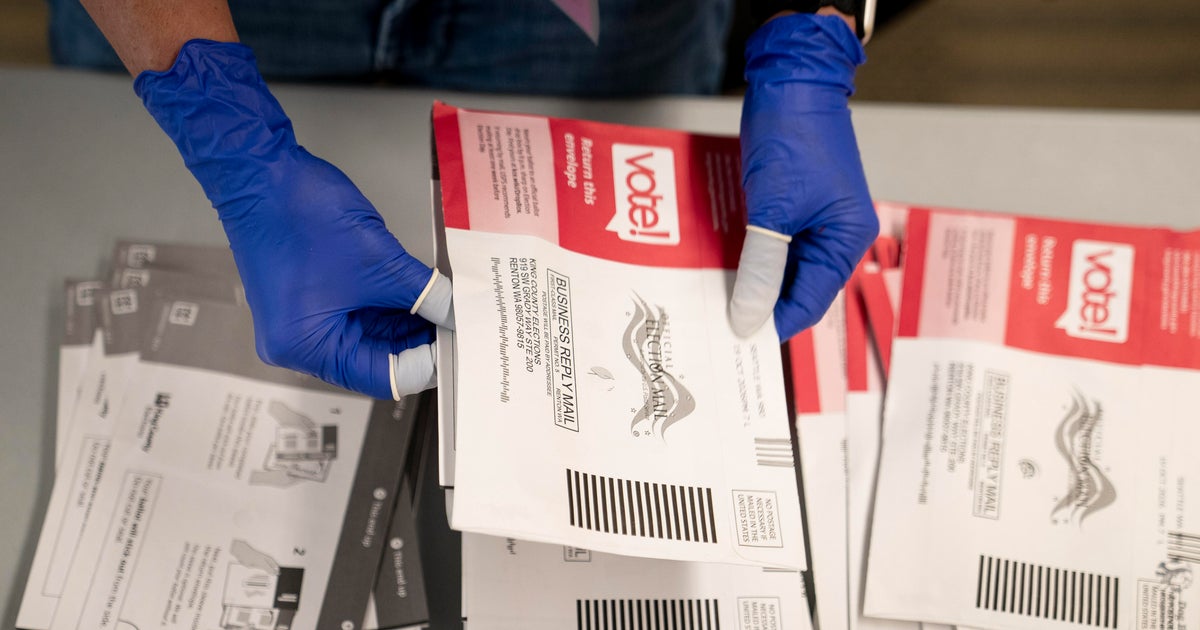
The U.S. Department of Justice (DOJ) has issued grand jury subpoenas to California state and local election officials. The move follows allegations by the federal government that approximately 20,000 non-citizens may be registered to vote in the state.
The subpoenas, issued between Oct. 21 and Oct. 24, follow a ruling by U.S. District Judge David Carter in Los Angeles. The judge denied a request by the Trump administration to require California officials to sequester mail ballots from the 20,000 individuals the government identifies as non-citizens. Carter ruled that such an action would conflict with constitutional principles that grant states authority over election administration.
Sources with direct knowledge stated that at least three subpoenas were sent to the Los Angeles Registrar-Recorder/County Clerk's office. These documents request records of correspondence with Homeland Security Secretary Markwayne Mullin and acting Deputy Attorney General Trent McCotter regarding non-citizen voting. Additionally, the DOJ is seeking information on the methods used to screen for unlawful voting and any evidence collected regarding non-citizen voters.
Los Angeles Registrar-Recorder/County Clerk Dean Logan described the DOJ's approach as "confrontational" and "adversarial," stating that election officials are following state and federal laws. A DOJ spokesperson stated that the agency does not comment on grand jury matters but noted that criminal investigation is the next step following the court's ruling. The spokesperson said that while the DOJ still believes civil remedies are available, both the court and the state have indicated that unlawful voting is primarily addressed through criminal prosecution.
For California election workers and administrators, the subpoenas represent a direct federal inquiry into their internal screening processes and communications with federal agencies. The Los Angeles Registrar-Recorder/County Clerk indicated that these actions could impact the day-to-day focus of election staff during the voting period. The dispute highlights a jurisdictional tension between federal oversight of non-citizen voting and the constitutional authority of states to manage their own elections. A separate report noted that the DOJ's list of 400 alleged non-citizens in Washington state included individuals who are confirmed U.S. citizens, suggesting the possibility of data errors in federal identifying lists.
The knock-on effects include the potential for criminal charges against individuals found to have voted unlawfully and a precedent for how federal agencies investigate state-level voter registration rolls. The DOJ spokesperson stated that "all agree that noncitizen voting is properly addressed through criminal law," setting the stage for individual prosecutions rather than broad changes to ballot-handling procedures. Further court dates or deadlines for the subpoenas were not reported.