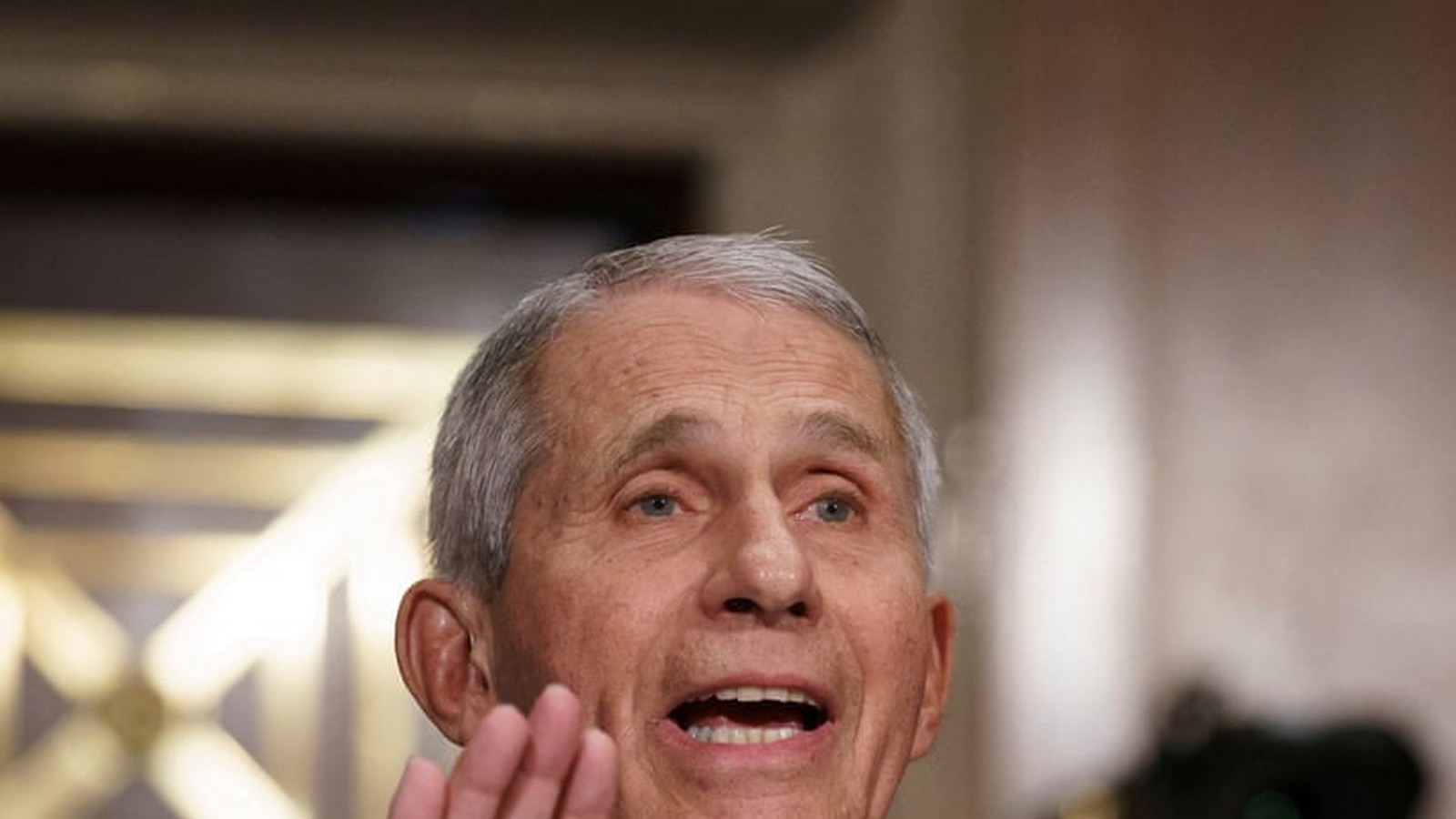
Dr. Anthony Fauci, the former director of the National Institute of Allergy and Infectious Diseases (NIAID), is scheduled to testify before the Senate Homeland Security and Governmental Affairs Committee today. The hearing focuses on the origins of the COVID-19 pandemic and the federal government's role in funding life science research. Senators are expected to question Dr. Fauci regarding the theory that the virus may have originated from a laboratory accident, a possibility that has been a central focus of Republican-led inquiries.
The hearing follows years of debate over the pandemic's start. While many virologists maintain that a natural spillover from animals to humans is the most likely cause, Republican lawmakers have sought to investigate whether U.S. taxpayer funds supported "gain-of-function" research—experiments that enhance a pathogen's capabilities—at the Wuhan Institute of Virology in China. Dr. Fauci, who retired in 2022 after 38 years at NIAID, previously served as a primary advisor to both the Trump and Biden administrations.
Senator Rand Paul (R-KY), who chairs the committee, stated that the investigation aims to provide transparency regarding research oversight and funding decisions. Paul has argued that officials previously dismissed the laboratory origin theory without sufficient evidence. Conversely, some members of the scientific community have described the ongoing focus on Dr. Fauci as a targeted effort that distracts from public health priorities, while Dr. Fauci has defended the integrity of NIAID's grant-review processes.
For the general public, the political focus on these origins has already impacted federal policy. In April 2025, the executive branch cites these concerns as a rationale for proposals to reduce NIH funding, a move that would affect medical research timelines for various diseases. If federal funding is restructured or decreased, patients and healthcare providers might see a shift in the development of new treatments or vaccines. These hearings also set a precedent for how Congress exercises oversight over career civil servants and scientific agencies during and after national emergencies.
What happens next: Dr. Fauci's testimony will likely be followed by further committee reports and potential legislative proposals aimed at reforming the NIH. Legislators are specifically looking at the "Lindsey O. Graham Sanctioning Russia and Iran Act," which contains provisions related to international research and trade authority. Observers are also watching for any further actions from the House Select Subcommittee on the Coronavirus Pandemic, which continues its parallel investigation into the same subject matter.