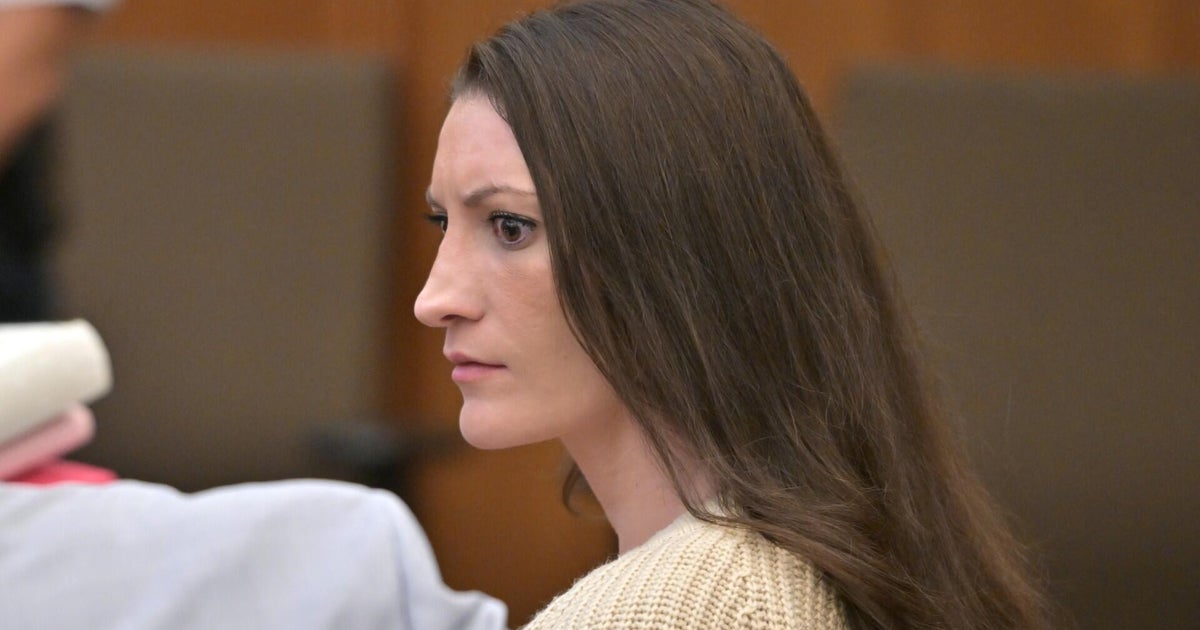
The murder trial of Lindsay Clancy resumed Friday in Plymouth Superior Court, with forensic psychiatrist Dr. Phillip Resnick scheduled to testify for the defense. Dr. Resnick is expected to be the final witness called by the defense in the case concerning the deaths of Clancy’s three children.
The trial follows the January 24, 2023, deaths of 5-year-old Cora, 3-year-old Dawson, and 8-month-old Callan Clancy at their home in Duxbury, Massachusetts. Lindsay Clancy, 36, has pleaded not guilty to charges of first-degree murder. The defense has argued that Clancy was overmedicated and suffering from postpartum psychosis, a severe mental health condition, while the prosecution has alleged she planned the killings and faked a suicide attempt.
Dr. Resnick previously served as a key witness for Andrea Yates, a Texas woman who was found not guilty by reason of insanity in 2006 for the deaths of her five children. In that case, Dr. Resnick testified that Yates suffered from severe postpartum psychosis. In the current proceedings, defense attorney Kevin Reddington stated that Dr. Resnick would testify via Zoom, after which prosecutors Jennifer Sprague and Shanan Buckingham are expected to call three rebuttal witnesses.
The case involves the deaths of three children under the age of six and focuses on the intersection of mental health and criminal law. The testimony of Dr. Resnick, who influenced the outcome of the high-profile Andrea Yates case two decades ago, provides a precedent for how specialized psychiatric testimony can impact a jury's determination of criminal responsibility. A verdict in favor of the defense would signify a legal recognition that Clancy's mental state at the time of the events precluded the intent necessary for a murder conviction.
Judge William Sullivan indicated that if all testimony concludes on Friday, closing arguments could begin as early as Monday. If further testimony is required on Monday, closing arguments would likely be delayed until Tuesday. The outcome will finalize a legal process that has lasted over three years since the deaths occurred in early 2023, setting a definitive path for Clancy's future in either the state’s penal or mental health systems.