Data from the Ministry of Health in the Democratic Republic of the Congo indicated on Wednesday that the current Ebola outbreak has reached 5,021 cases. The ministry reported that 2,378 deaths had occurred as of Sunday, marking what officials described as an unprecedented rate of spread that is challenging containment efforts in remote regions.
The outbreak was first declared on May 15. Since its inception, the virus has spread through eastern Congo, particularly in areas experiencing insecurity, population displacement, and frequent movement. According to the Reuters news agency, this is the 17th Ebola epidemic recorded in the country's history.
Public health officials noted that the virus is spreading approximately three times faster than the 2014-2016 West African outbreak, which remains the deadliest on record with 11,000 deaths. In the week leading up to this latest report, the total rose from 4,381 confirmed cases and 2,011 deaths, reflecting a weekly increase of 640 cases and 367 deaths.
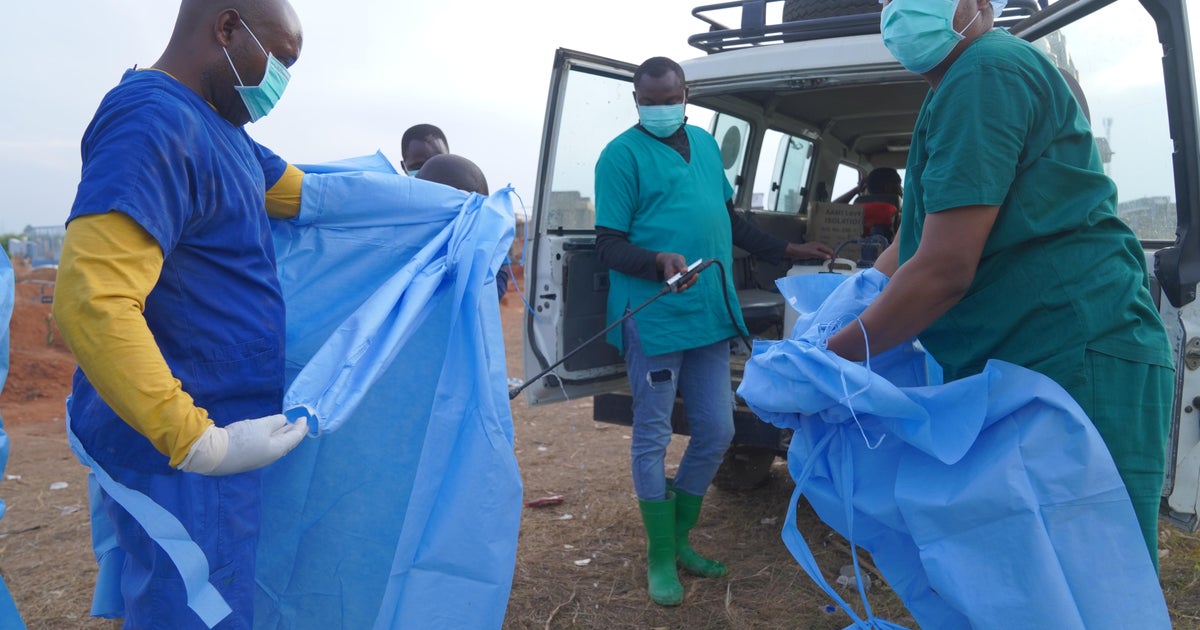
World Health Organization (WHO) Director-General Tedros Adhanom Ghebreyesus stated on Tuesday that the epidemic is not yet under control and warned that the risk of further national and international spread remains high. Containment efforts have been hampered by security issues; Michael Wani, president of the Union of Cultural Associations for the Development of Ituri, reported that a mob in Aru territory attacked a health team on Monday, burning an ambulance and damaging two other vehicles following the report of a suspected case.
The rapid pace of transmission—three times faster than previous major outbreaks—places an immediate strain on local healthcare infrastructure and international aid resources. Residents and health workers in these territories face direct threats to their physical safety, as seen in the recent destruction of medical vehicles and equipment. These security risks limit the ability of responders to provide vaccinations, conduct safe burials, or track contacts, which are the primary tools used to halt the transmission of the virus.
The situation has broader implications for regional stability and global health security as the WHO monitors the potential for the virus to cross national borders. The knock-on effects include disrupted economic activity and increased displacement in a region already struggling with insecurity. The next steps in the response depend on stabilizing the security situation to allow health teams to operate. No specific deadline for containment has been set, but the WHO continues to convene meetings to coordinate the international response as case numbers continue to rise.