The Plain Record

Neutral daily news — clear headlines, complete facts.

National

Ebola Outbreak in Congo Becomes Country's Deadliest on Record

Government data shows the Ebola death toll in the Democratic Republic of Congo has reached 2,325, making it the country's deadliest outbreak.

By The Plain RecordUpdated August 17, 2026 at 4:12 AM EDT
Published August 17, 2026 at 2:42 AM EDT

The short answer

Government data shows the Ebola death toll in the Democratic Republic of Congo has reached 2,325, making it the country's deadliest outbreak. The current Ebola outbreak in the Democratic Republic of Congo has become the deadliest in the nation's history, according to government data released Monday. The death toll has reached 2,325, surpassing the previous record of 2,299 deaths set during the 2018-2020 outbreak.

Updates (1)

  • Update — August 17, 2026 at 4:12 AM EDT: Public health officials reported that the Ebola outbreak in DR Congo has killed 2,325 people, making it the deadliest in the nation's history. (BBC News)
Ebola Outbreak in Congo Becomes Country's Deadliest on Record

The Facts

Who
Democratic Republic of Congo public health institute, Medecins Sans Frontieres, and infected citizens.
What
An Ebola outbreak in the Democratic Republic of Congo has surpassed the country's previous record for total deaths, reaching 2,325 fatalities.
When
Monday, August 17, 2026
Where
Democratic Republic of Congo
Why
The outbreak involves a rare species of Ebola with no approved vaccines, and the death toll has surpassed all previous outbreaks in the country's history within three months of its declaration.

Timeline of what happened

Key dates and decisions, in the order they occurred.

  1. May 15, 2026

    Ebola outbreak formally declared

  2. June 1, 2026

    Case fatality ratio reported at approximately 20%

  3. July 1, 2026

    Outbreak becomes largest in Congo history by case count

  4. August 17, 2026

    Death toll reaches 2,325, surpassing 2018-2020 record

The current Ebola outbreak in the Democratic Republic of Congo has become the deadliest in the nation's history, according to government data released Monday. The death toll has reached 2,325, surpassing the previous record of 2,299 deaths set during the 2018-2020 outbreak. The Congo public health institute reported that confirmed cases have risen to 4,945, including 101 new cases detected within a 24-hour period.

This outbreak, caused by the Bundibugyo species of the virus, was formally declared on May 15. It reached 2,000 deaths in less than three months, a faster rate than the 2014-2016 West Africa outbreak, which took nearly five months to reach 1,000 deaths. While the West Africa outbreak remains the largest globally with 11,310 total deaths, the current situation in Congo is now the second-largest Ebola event recorded.

Health officials reported that the case fatality ratio—the proportion of infected people who die—has risen from 20% in early June to 46% currently. Thomas Parisch, a public health specialist with Medecins Sans Frontieres, stated that this increase suggests cases are being detected late rather than the virus becoming more lethal. Response efforts have been hindered by weak health infrastructure, community resistance, and regional instability.

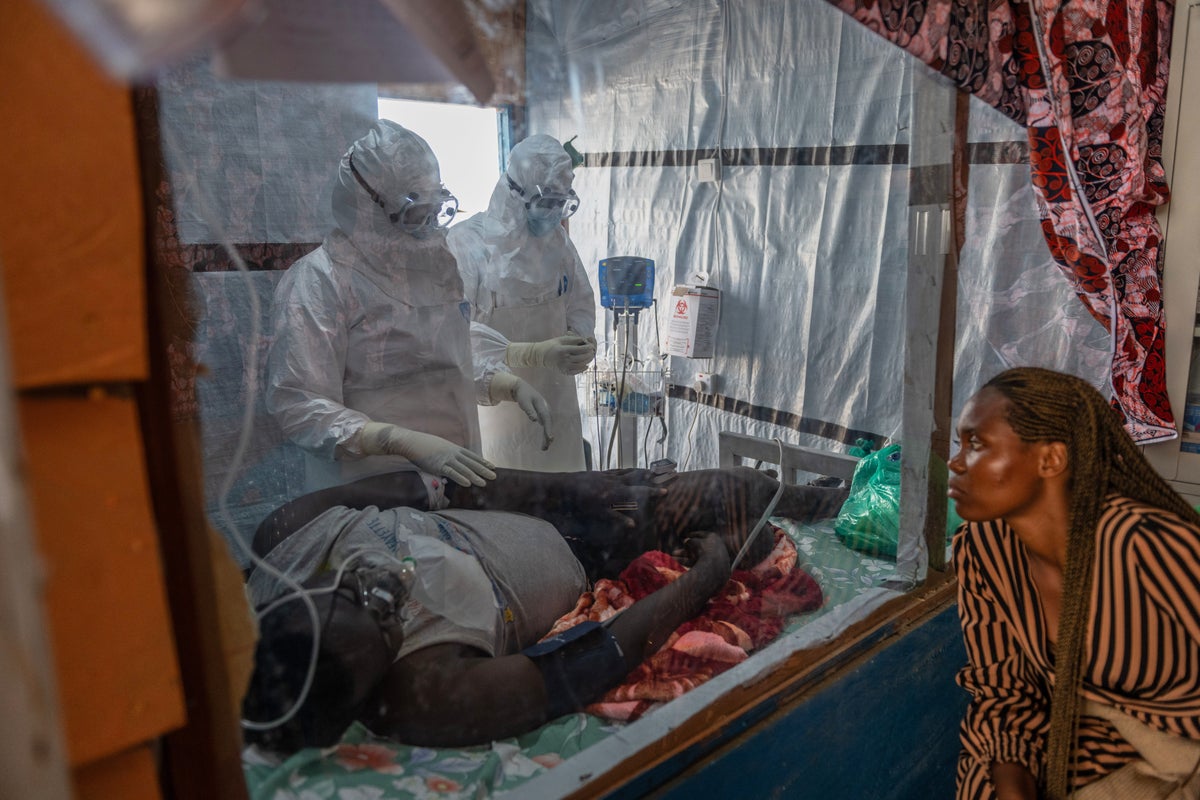
A resident or health worker in the region would notice a severe strain on local medical facilities and a high rate of "community deaths," where individuals die before they can be identified or treated by medical teams. The speed of the virus is significant; reaching 2,000 deaths in under 90 days indicates a rapid transmission rate that challenges the capacity of local surveillance and contact tracing. While neighboring Uganda successfully contained a smaller cluster of 20 cases and two deaths last month, the scale in Congo continues to grow, posing a persistent risk of further cross-border transmission.

The knock-on effects include a deteriorating ability for health agencies to track the spread, as evidenced by the rising fatality rate. When patients are identified only after death, it increases the risk of exposure for family members and those handling remains, as Ebola spreads through direct contact with bodily fluids. The current focus for global health authorities is the evaluation of experimental vaccines and determining if existing treatments for other Ebola strains offer any protection. Further updates on case counts and the effectiveness of these experimental measures are expected as the public health institute continues its daily reporting.

Summaries are written by The Plain Record to state the facts of a story plainly and without political slant. See our editorial standards, or report a correction.

← Back to the front page

Questions readers ask

What happened: Ebola Outbreak in Congo Becomes Country's Deadliest on Record?

An Ebola outbreak in the Democratic Republic of Congo has surpassed the country's previous record for total deaths, reaching 2,325 fatalities.

Who is involved?

Democratic Republic of Congo public health institute, Medecins Sans Frontieres, and infected citizens.

When did this happen?

Monday, August 17, 2026

Where did this happen?

Democratic Republic of Congo

Why does this matter?

The outbreak involves a rare species of Ebola with no approved vaccines, and the death toll has surpassed all previous outbreaks in the country's history within three months of its declaration.