The Plain Record

Neutral daily news — clear headlines, complete facts.

General

Ecologists cite benefits of native aquatic plants for lake health and water clarity

Ecologists are highlighting the role of native aquatic plants in preventing erosion and algae blooms as property owners remove them for recreation.

Published October 17, 2026 at 12:21 AM EDT

The short answer

Ecologists are highlighting the role of native aquatic plants in preventing erosion and algae blooms as property owners remove them for recreation. Ecologists and state officials are highlighting the role of native aquatic plants in maintaining lake health and water clarity.

Ecologists cite benefits of native aquatic plants for lake health and water clarity

The Facts

Who
Donna Perleberg (Minnesota DNR), Jay Ferrell (University of Florida), and Heather Baird (Minnesota DNR)
What
Ecologists from the Minnesota Department of Natural Resources and the University of Florida are educating the public on the ecological benefits of native aquatic plants, which are often removed as weeds.
When
October 16, 2026 (Broadcast date)
Where
Minnesota and the United States
Why
Native plants prevent erosion, absorb nutrient runoff, and provide habitat, while some chemical removal methods introduce PFAS into lake water.

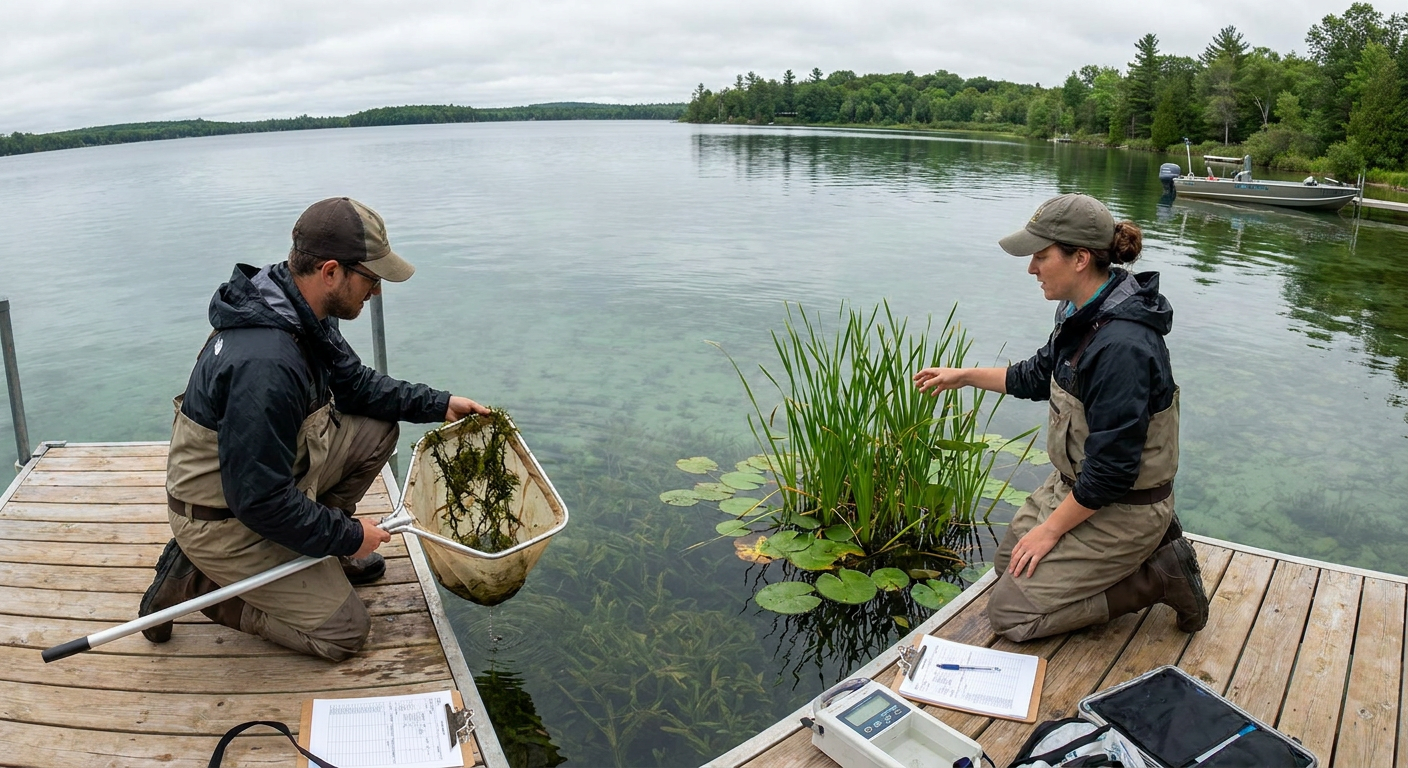
Ecologists and state officials are highlighting the role of native aquatic plants in maintaining lake health and water clarity. While many property owners view these plants as a nuisance or "weeds" and remove them using chemicals or machinery, experts from the Minnesota Department of Natural Resources (DNR) and the University of Florida state that these species are essential components of lake ecosystems.

The efforts to change public perception come as property owners clear lakefronts for swimming and boating. In Minnesota, state law allows for the removal of some aquatic plants to facilitate lake access. However, officials report that the widespread removal of these plants can lead to unintended environmental consequences, including increased water turbidity and shoreline erosion.

Donna Perleberg, an aquatic plant ecologist with the Minnesota DNR, stated that native plants help keep water clear by anchoring the lake bottom with their roots, which prevents sediment from being stirred up. These plants also absorb nutrients from lawns, golf courses, and farm fields that would otherwise fuel algae blooms. Jay Ferrell, director of the University of Florida’s Center for Aquatic and Invasive Plants, added that native species support a "rich environment" for snails, crayfish, and insect larvae, and their presence helps prevent invasive species from dominating the water.

Additionally, the methods used to clear lakes have implications for water quality and chemical exposure. Baird reported that some chemical pesticides applied to lakes contain PFAS, also known as "forever chemicals" because they do not break down easily in the environment. Residents who rely on these lakes for recreation or live along the shore would be directly impacted by the introduction of these substances into the water.

What happens next depends on individual property owner choices and state-level permitting. While many states currently allow for partial plant removal, officials are working to educate the public on the benefits of diverse aquatic ecosystems, such as bladderworts and water lilies. The source did not report any specific upcoming legislative votes or deadlines for changes to lake management regulations.

Summaries are written by The Plain Record to state the facts of a story plainly and without political slant. Drafted with AI assistance and checked against the source record before publication. See how we report, or report a correction.

← Back to the front page

Questions readers ask

What happened: Ecologists cite benefits of native aquatic plants for lake health and water clarity?

Ecologists from the Minnesota Department of Natural Resources and the University of Florida are educating the public on the ecological benefits of native aquatic plants, which are often removed as weeds.

Who is involved?

Donna Perleberg (Minnesota DNR), Jay Ferrell (University of Florida), and Heather Baird (Minnesota DNR)

When did this happen?

October 16, 2026 (Broadcast date)

Where did this happen?

Minnesota and the United States

Why does this matter?

Native plants prevent erosion, absorb nutrient runoff, and provide habitat, while some chemical removal methods introduce PFAS into lake water.