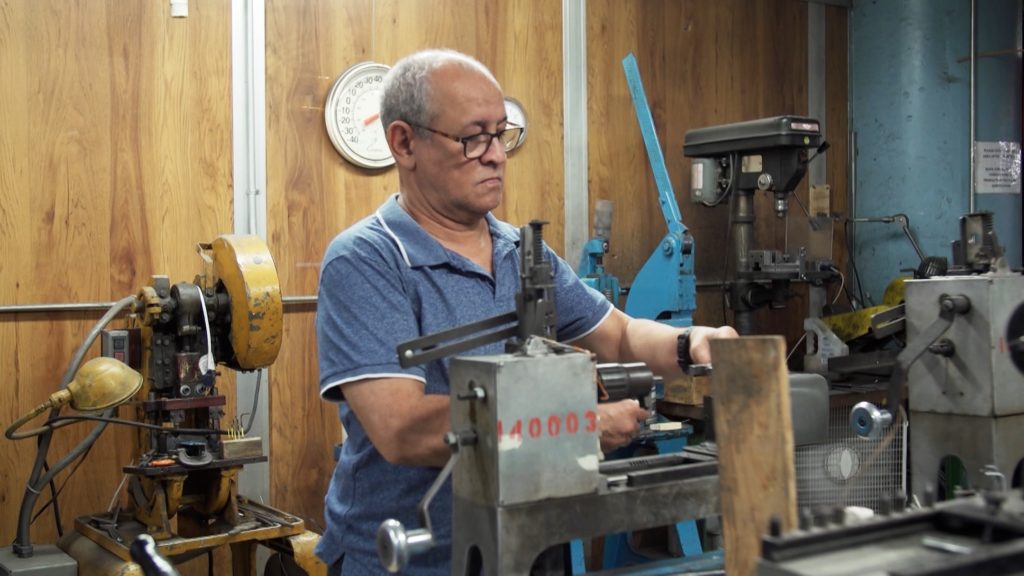
Older Americans are increasingly re-entering the workforce to address rising living costs and financial insecurity. While some retirees return to work for a sense of purpose, economists suggest that current inflation and high medical expenses are primarily driving "unretirement" for economic reasons. According to economist Geoffrey Sanzenbacher of Boston College, many retirees returning for financial reasons are forced to take lower-paying positions than they held during their primary careers.
Individuals interviewed cited exhausted savings and the cost of healthcare as major factors in their return to work. In Georgia, 71-year-old Christine Drinks reported that her Social Security benefits were insufficient to cover basic expenses, while 63-year-old Mirna Colombo and environmental administrator Richard Lobinske cited medical bils and health insurance premiums as primary motivators. Lobinske noted that end-of-life care for a relative had depleted a significant portion of his retirement savings.
The trend of delayed retirement began to shift upward in the 1990s, with the average retirement age increasing by approximately two years since the turn of the century. Despite the need for income, older applicants report difficulties in the hiring process. Drinks indicated it took two years to secure a new position, citing perceived age bias among employers.
Economists are monitoring whether the current labor market can absorb retirees seeking to return. While the unretirement rate peaked in 2022 during a period of high job availability, Sanzenbacher noted that the current environment of rising costs paired with fewer job openings may make it more difficult for seniors to find necessary employment.