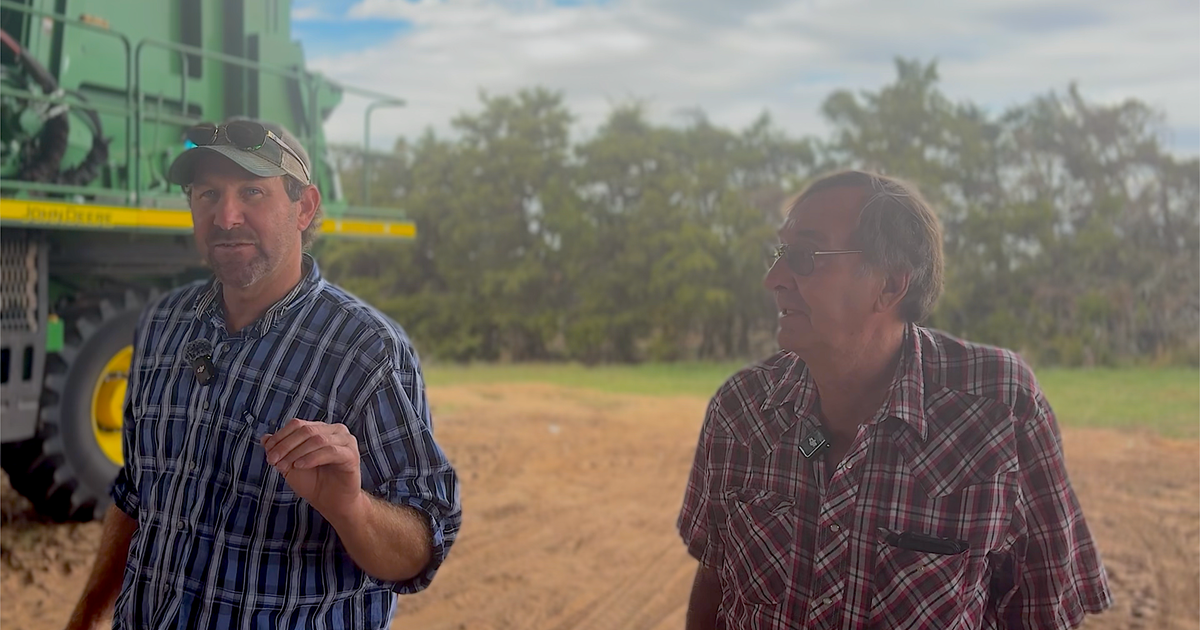
Agricultural voters in Kansas are expressing divided political loyalties as rising operating costs and falling revenues affect the state's farming industry. The shift comes during a competitive U.S. Senate race between incumbent Sen. Roger Marshall (R-KS) and Democratic challenger Adam Hamilton, a pastor. While some farmers cite dissatisfaction with Republican leadership over trade policies and the expiration of the federal Farm Bill, others maintain support for Marshall to prevent a Democratic majority in the Senate.
The economic strain follows several years of decline for regional agriculture. According to the U.S. Department of Agriculture (USDA), Kansas lost 700 farms between 2024 and 2025. During that same period, farm bankruptcies across the Midwest rose by 70%. Farmers report that the combination of high input prices for fertilizer and fuel, ongoing drought conditions, and lower commodity prices has exhausted the equity many producers rely on for operating loans.
Individual producers have documented sharp increases in overhead. One farming family in Sylvia, Kansas, reported that operating expenses for their 6,500-acre farm rose by $737,375 in 2026 compared to the previous year. This included a $514,625 increase in fertilizer costs and $187,000 more for diesel fuel. Meanwhile, drought conditions reduced their crop yields by 20%, and revenue dropped by $325,000 between 2025 and 2026. The 2018 Farm Bill, which provides crop insurance and price supports, expired last month without a replacement, adding to local uncertainty.
Agricultural producers will notice concrete changes in their financial viability as traditional lending options narrow. Because land is often used as collateral, stagnant or falling yields combined with high debt loads mean banks are less likely to approve the annual operating loans required for spring planting. While the federal government announced an $8 billion temporary fuel relief program, some producers characterize this as a short-term measure that will not arrive until early 2027, potentially after some farms have already exhausted their remaining capital.
The outcome of this race and the subsequent legislative session will determine the timing and structure of the next Farm Bill, which sets the rules for federal agricultural policy for five-year periods. If farmers cannot secure new loans or federal price supports, the trend of farm consolidation or bankruptcy is projected to continue. The average age of U.S. farm producers reached 58.1 years in 2022, and the current economic climate is leading some veteran farmers to advise the next generation against entering the industry. Future policy decisions will determine whether these family-owned businesses remain operational or are liquidated to cover debt.