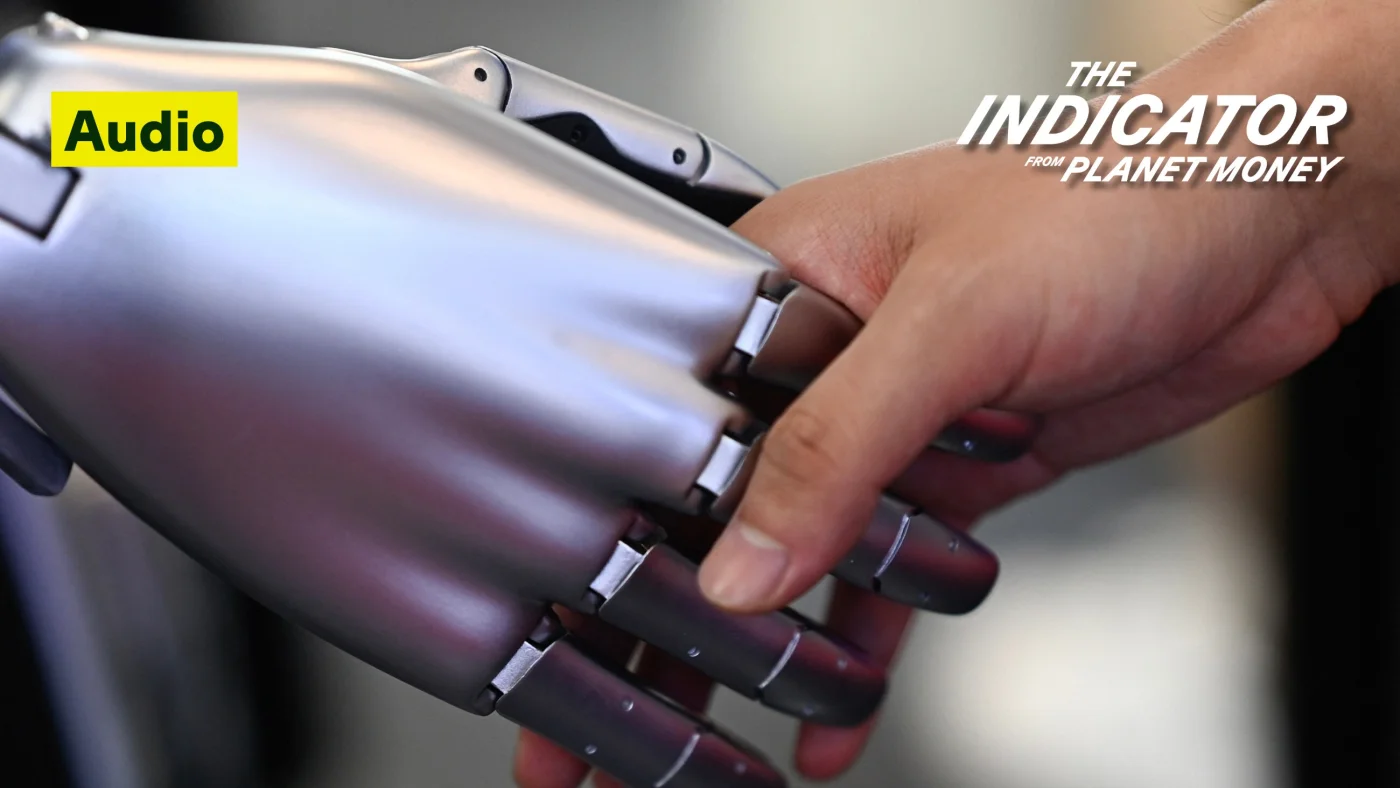
Economists Daron Acemoglu and Erik Brynjolfsson participated in a public discussion on Wednesday, October 28, 2026, to address the impact of artificial intelligence on the global workforce. The event, hosted by NPR's "The Indicator from Planet Money," featured Acemoglu, a Nobel Prize-winning professor at MIT, and Brynjolfsson, a professor at Stanford and director of the Stanford Digital Economy Lab. The conversation focused on whether current job data reflects AI-related losses and what a "pro-worker" approach to technology development entails.
The session was part of a series titled "Ask an Economist," which allows audiences to submit questions to experts regarding economic topics. A previous event in the series focused on the housing market. The October 28 virtual event was conducted via Zoom and was for members of the NPR+ subscription program, with a recorded excerpt released publicly on Wednesday, November 4.
During the discussion, the economists addressed divergent views within the technology industry regarding the future of work. Anthropic CEO Dario Amodei has stated that AI could eliminate many white-collar positions within the next few years. In contrast, Nvidia CEO Jensen Huang has argued that the technology will reshape existing roles and lead to the creation of more jobs than currently exist. Acemoglu and Brynjolfsson weighed these perspectives, discussing whether the technology would cause a hollowing out of the workforce or drive a "jobs transformation."
The discussion addressed concerns for white-collar workers, college students, and employers who are navigating the integration of generative artificial intelligence into the workplace. While the specific number of affected households or a total dollar impact was not reported, the scope involves a potential shift across the U.S. labor market as companies decide whether to use AI to replace human tasks or to augment them.
For the average employee, this transition may manifest as changes in daily job responsibilities or the required skill sets for entry-level positions. College students, who were a specific focus of the economists' advice, face a labor market where the value of certain degrees may shift as AI tools become capable of performing tasks traditionally assigned to junior staff. The timeframe for these changes remains a subject of debate, with industry leaders like Amodei suggesting impacts could be noticed within "the next few years."
The broader impact involves corporate and policy approaches to AI development. If a "pro-worker" model is adopted, it could lead to new ways that technology is deployed to assist rather than replace human labor. Following this event, an hour-long version of the conversation was made available to subscribers, and future segments of "Ask an Economist" are expected to continue addressing other public interest topics.