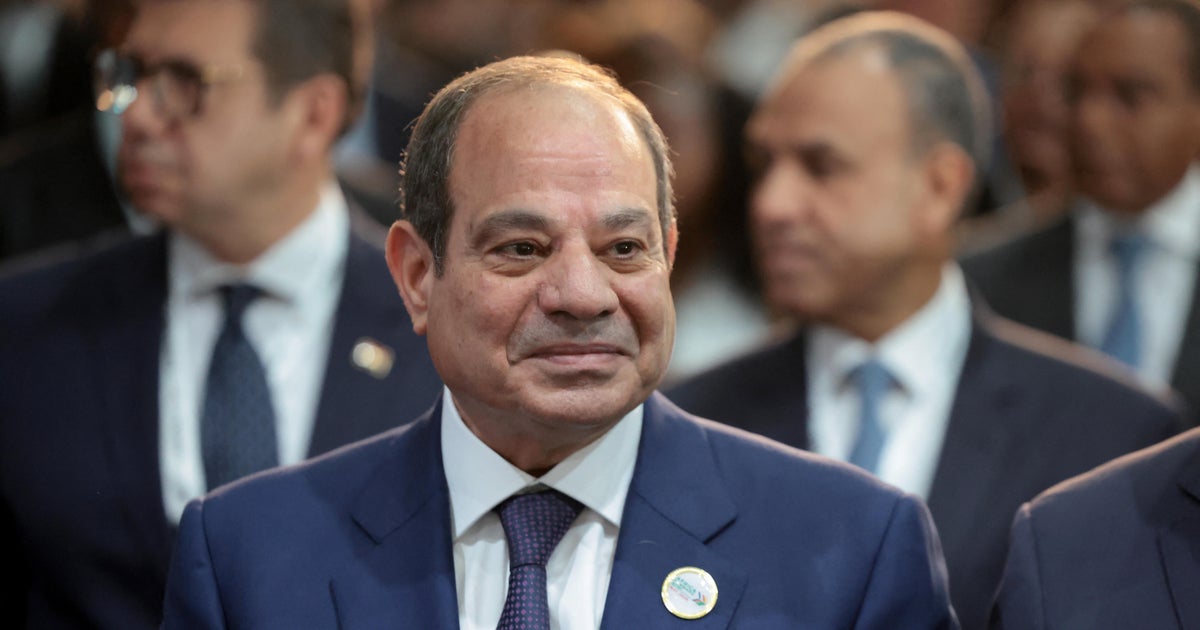
Egyptian President Abdel Fattah al-Sisi has requested parliamentary authorization to deploy military forces to Saudi Arabia for defensive purposes. The request follows an increase in attacks by Yemen’s Houthi rebels targeting Saudi airports and oil infrastructure. Al-Sisi stated that the mission would be defensive and contingent upon a formal request for assistance from the Saudi government.
The move comes after years of Egypt maintaining a policy of non-intervention in regional military conflicts, instead favoring political solutions and de-escalation. However, Egypt has repeatedly pledged to support the security of Gulf states. This development follows the August signing of a joint defense agreement between Saudi Arabia, Turkey, and Pakistan known as the Mecca Accords, which analyst Samir Ragheb suggested indicates a shift away from reliance on United States military support.
Under the Egyptian Constitution, the president must consult the National Defense Council and receive approval from two-thirds of Parliament before deploying troops abroad. Al-Sisi chaired a National Defense Council meeting on a Sunday to review regional escalations and attacks against Saudi Arabia. While an emergency parliamentary session was convened the same day with an expected vote on Tuesday, the ballot was postponed until the following Monday.
The Egyptian Social Democratic Party has instructed its members to abstain from the upcoming vote. The party stated it has not received sufficient details regarding the mission's costs, the specific scope of the deployment, or the arrangements to protect Egyptian personnel. Conversely, retired army brigadier Samir Ragheb told CBS News that intervention is necessary to maintain regional influence and fulfill moral obligations to Gulf states that have invested billions of dollars in Egypt.
The effects could alter the balance of power in the Middle East. According to analyst Samir Ragheb, the mission is intended to counter threats not only from Houthi rebels but also from Iran and Iraqi militias. If Egypt does not intervene, Ragheb argued the country could lose its "seat at the table" as a regional power. Furthermore, this action follows what analysts described as a lack of U.S. military intervention against Houthi forces.
What happens next depends on the scheduled parliamentary vote. The Egyptian Parliament is expected to vote on the authorization next Monday. If two-thirds of the body approves the resolution, the president will have the legal authority to send troops once a formal request is made by the Saudi government. No specific effective date for a deployment has been set, as the mission remains contingent on the parliamentary outcome and future requests from Riyadh.