An Egyptian farmer discovered several ancient artifacts while working his land, leading to an archaeological excavation that uncovered statues of King Ramses II. Khaled al-Shahat reported finding an unusual pink stone on a Friday, which prompted an investigation by the Ministry of Tourism and Antiquities. The site is located in the Al Gharbia Governorate in the Nile Delta.
The discovery occurred in a region where Ramses II ruled from 1279 B.C. to 1213 B.C. After al-Shahat notified authorities, archaeologists began a formal dig on the property to examine the site. The Ministry of Tourism and Antiquities stated that the findings could provide new information regarding the architectural development and history of the local area.
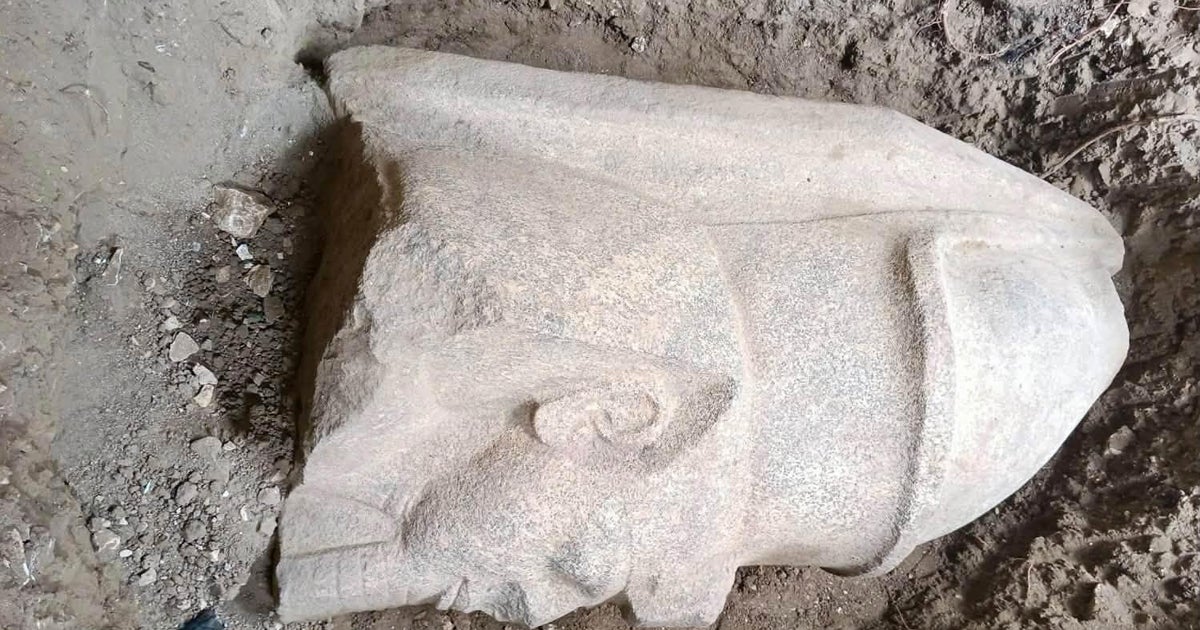
Excavators identified a pink granite block measuring roughly 1.3 meters (4.26 feet) in length. The block contains inscriptions of two royal titles: "Nesw-Bity" and "Sa-Ra." Nearby, teams uncovered a colossal head depicting the king wearing a double crown, which symbolizes the unification of Upper and Lower Egypt. The head measures approximately 1.6 meters (5.25 feet) high. Archaeologists estimate the full statue would have stood approximately 28 feet tall. A second statue, measuring 2.4 meters (7.87 feet), was also found, though it is missing its legs, base, and portions of its headdress.
The discovery also highlights the legal and civic protocols for antiquities in Egypt. In recognition of al-Shahat's decision to report the find to authorities rather than retaining the items, the Minister of Tourism and Antiquities, Sherif Fathy, presented the farmer and his wife with certificates of appreciation. They were also awarded a trip to Saudi Arabia to perform the Umrah pilgrimage. This public recognition, conducted in al-Shahat's home village on a Wednesday, serves as a formal government endorsement of the current reporting system for citizen-found artifacts.
The ongoing excavation will determine the long-term impact on the land and whether the site holds further architectural remains. According to the ministry, archaeological studies are continuing to assess the full scale of the find. There are currently no reported deadlines for the completion of the dig or the relocation of the statues. The ministry has not yet disclosed if the land will be permanently preserved or if the statues will be moved to a national museum after the study is finalized.