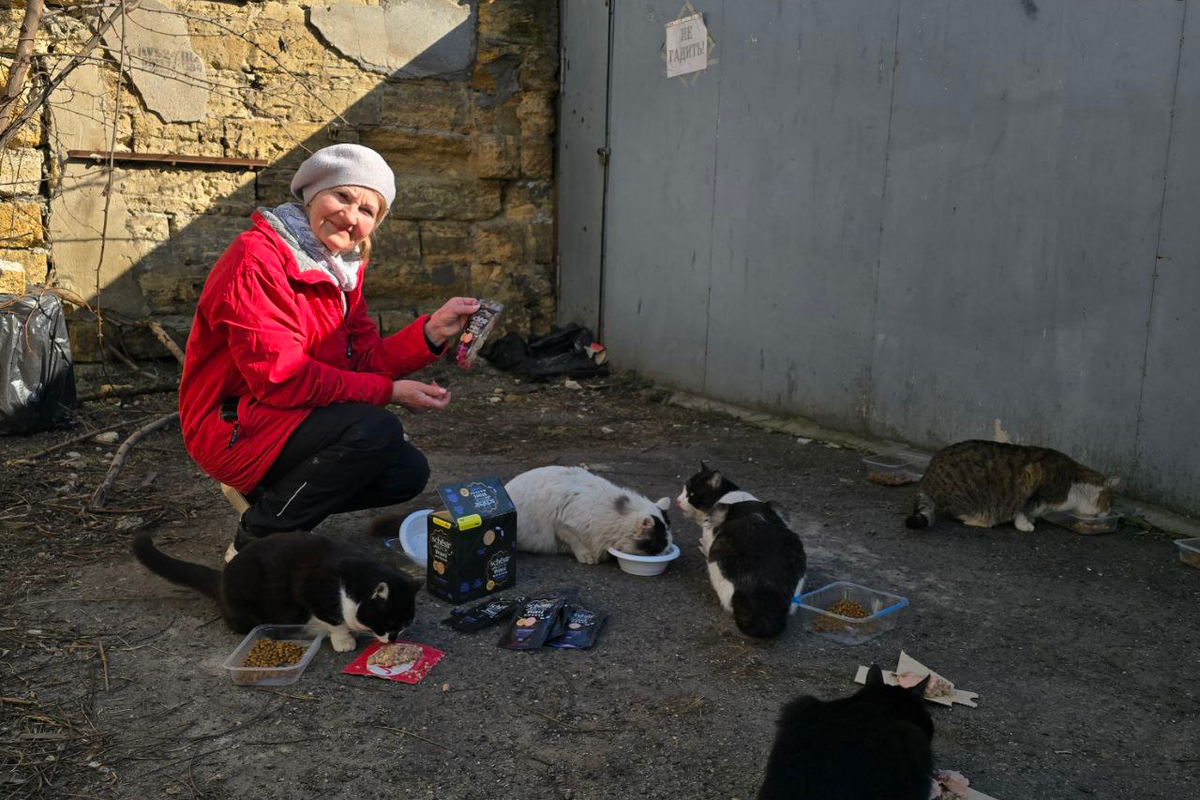
Elderly residents in Odesa are providing daily care for large populations of stray and abandoned animals as the city faces ongoing bombardment. Caregivers such as 74-year-old Olga and 73-year-old Nataliia manage dozens of animals, including community strays and former pets left behind by residents who have evacuated. These individuals operate despite frequent air raids, power outages, and limited access to water.
Odesa, a key commercial hub in southern Ukraine, has been targeted by intensified strikes focused on coastline vessels and port infrastructure. Before the conflict, the Naturewatch Foundation estimated Ukraine had approximately 200,000 stray dogs and a larger population of stray cats. Since the war began, thousands more animals have been abandoned or lost, increasing the burden on local residents who have chosen to stay.
Nataliia, who cares for 13 pets and 27 strays, reported that she funds food through her pension, which for many elderly residents ranges between 2,500 and 4,500 UAH (approximately £40–75) per month. The United for Animals Foundation and Greater Good Charities assist by distributing supplies, reporting that they have donated 35 million meals across the country. Martyna Maciejewska of Greater Good Charities noted that delivering these supplies is hazardous due to security risks and the physical difficulty for elderly recipients to transport heavy bags from collection points.
For the caregivers, the day-to-day reality involves significant physical labor and health risks. Individuals like Nataliia manage schedules from 6 a.m. to 1 a.m., performing tasks such as thawing frozen water for outdoor bowls and carrying water up multiple flights of stairs during utility outages. The conflict has also altered animal behavior; a study published in June indicated that animals have become less active during nights of heavy conflict and more fearful of human activity and shelling, complicating efforts to feed and monitor them.
The continued presence of these caregivers provides a support system for abandoned animals that would otherwise likely perish, but it also creates long-term challenges for humanitarian and animal welfare organizations. Charities must navigate active security zones to reach these isolated populations, setting a precedent for how aid is delivered in urban war zones. Future policy and recovery efforts will likely need to address both the humanitarian needs of the remaining elderly population and the public health implications of the expanded stray animal population.
What happens next: Aid organizations continue to monitor active security risks to deliver food and medical supplies to Odesa and areas closer to the frontlines. No specific end date for the conflict or the relief operations was reported. Residents continue to manage daily care routines while awaiting updates on the safety of their neighborhoods.