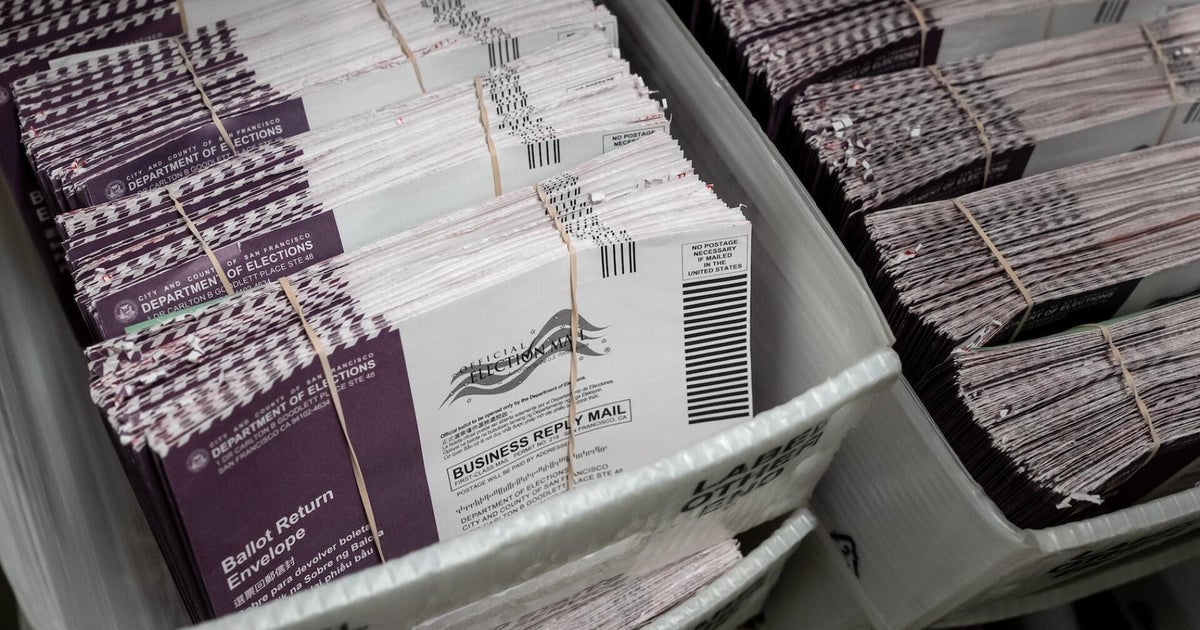
State and local election officials are reporting logistical difficulties regarding new U.S. Postal Service (USPS) regulations for mail-in ballots scheduled to take effect ahead of the November 2026 midterm elections. The rules, published on August 21, require specific envelope designs and the submission of voter data to a new federal portal. On August 26, U.S. District Judge Indira Talwani temporarily barred the agency from implementing key aspects of the measure following a lawsuit by the District of Columbia and 24 states led by Democrats.
The regulations stem from an executive order by President Donald Trump, who has stated the requirements provide "modest informational" details and are intended to ensure election honesty. The administration appealed to the Supreme Court last month to proceed with the order, which directs the federal government to compile lists of eligible voters and send mail ballots only to those on the list. While the Supreme Court initially cleared the way for the order, it did not rule on the constitutionality of the specific USPS regulations.
Under the rules, election offices must use envelopes with unique barcodes for each voter and enter names and addresses into an online "Federal Ballot Mail Portal" at least 30 days before an election. The USPS stated that mailings not complying with these design rules "will not be accepted and will be returned." Postal Service officials estimated the verification process should take "no more than a few hours," but an anonymous whistleblower warned Congress that the portal is "untested" and "rushed," potentially leading to catastrophic delivery failures.
Election officials in several states reported that compliance is not feasible within current timeframes. In Hawaii, Chief Election Officer Scott Nago stated the state would have to discard $79,000 worth of already-printed envelopes. Colorado officials reported they might have to scrap 1.3 million envelopes, while Washington state estimated reprinting costs at $1.9 million. In California, state officials estimated that based on USPS timeframes, scanning ballots for all 23 million registered voters would take 43 years. Wisconsin officials noted that 2,500 workers would need immediate training on a portal for which instructions have not yet been issued.
The scale of administrative work reported by states is substantial. New York election officials estimated that enrolling voters in the federal portal would require 20,000 hours of labor, equivalent to 533 work weeks. In Minnesota, officials estimated 8,500 hours would be needed to manually add barcode data to the federal system. For voters, these requirements could result in ballots being returned to election offices rather than delivered to their homes or counting centers, potentially impacting those in 29 states and the District of Columbia that currently allow ballots to arrive after Election Day if postmarked by then.
The long-term impact involves a shift in how federal and state powers interact regarding election mechanics. While the U.S. Constitution grants states the authority to set the "times, places and manner" of elections, these rules introduce a federal verification layer through the USPS. Legal experts note this creates a precedent for federal agencies to set technical standards that can override state-level mailing procedures. Future policy may be shaped by the outcome of ongoing litigation, as Judge Talwani considers whether to grant states longer-term relief from the requirements before the first ballots are sent to military and overseas voters on September 4.