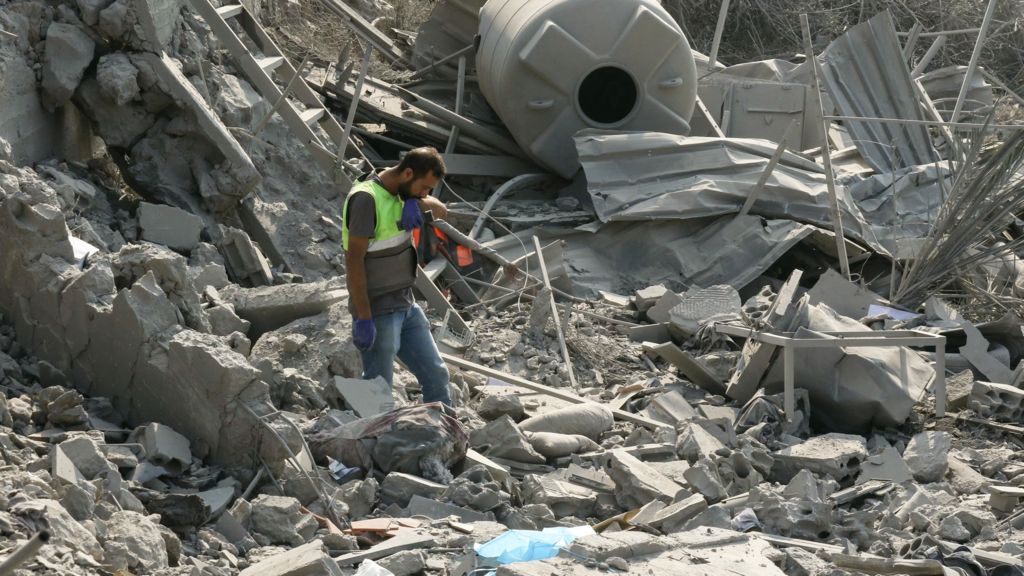
Israeli military strikes in southern Lebanon killed 11 people on Saturday, according to Lebanese authorities. The strikes targeted the outskirts of Ansar and the town of Deir al-Zahrani in what officials described as one of the deadliest days of attacks since a June agreement was reached to reduce hostilities.
The incident began Saturday at approximately 04:30 local time when a strike hit a residence on the outskirts of Ansar, 70km south of Beirut. Lebanon’s prime minister stated seven people were killed in that location, including three children and two women who state media reported were part of displaced families. The Israel Defense Forces (IDF) stated the strike targeted Ali Samir al-Haj Hassan, a commander in Hezbollah’s Radwan Force, following an earlier attack on the Ali al-Taher Ridge that injured three Israeli soldiers.
Later Saturday, the Lebanese ministry of health reported that a second round of strikes in Deir al-Zahrani killed four people and wounded five others. The IDF and the office of Prime Minister Benjamin Netanyahu stated the Ansar strike hit a "terror headquarters" and alleged Hezbollah used civilians as "human shields." Hezbollah denied these claims, stating that civilians were deliberately targeted in their homes.
The scale of the conflict remains significant, with Israel currently occupying approximately 5% of Lebanese territory and maintaining a 10km-deep military buffer zone. While specific financial costs were not reported, the destruction of residential buildings in Ansar and Deir al-Zahrani directly impacts the housing and security of local populations. The continued strikes occur despite a June agreement that calls for the gradual withdrawal of Israeli forces and the deployment of the Lebanese army, suggesting that the day-to-day reality for residents is still defined by active military operations rather than a full cessation of hostilities.
These events may influence the diplomatic process as Lebanese and Israeli negotiators prepare for an eighth round of talks scheduled for September. Lebanon's President Joseph Aoun stated the strikes send a "clear message" to US-led negotiations regarding the stability of the current framework. While a final date for the September talks has not been set, the immediate focus remains on whether the June agreement can be maintained or if the recent increase in fatalities will lead to a broader resumption of high-intensity conflict.