A federal indictment was unsealed Friday against 11 individuals in connection with the deaths of seven migrants who were found in a rail cargo container in Texas. U.S. Attorney Justin R. Simmons stated that the victims, who were from Honduras and Mexico and included a 14-year-old boy, died from suspected heat stroke in May while being transported in a sealed shipping container. Six of the deceased were discovered in a Laredo rail yard, while one was found near tracks in San Antonio.
The incident began in the border town of Del Rio, where the group boarded a train intended for San Antonio. According to investigators, the shipping container lacked ventilation and cooling systems and could not be opened from the inside during a day when temperatures reached between 88 and 92 degrees Fahrenheit. Nine of the 11 defendants have been taken into custody following arrests in Del Rio and throughout central and south Texas, while two remain at large.
The defendants face two counts: conspiracy to transport aliens resulting in death, and aiding and abetting the transportation of aliens resulting in death. U.S. Attorney Simmons noted that each charge carries a maximum penalty of life in prison. The indictment alleges that the migrants paid various individuals between $1,500 and $10,000 to be transported from their home countries into the interior of the United States.
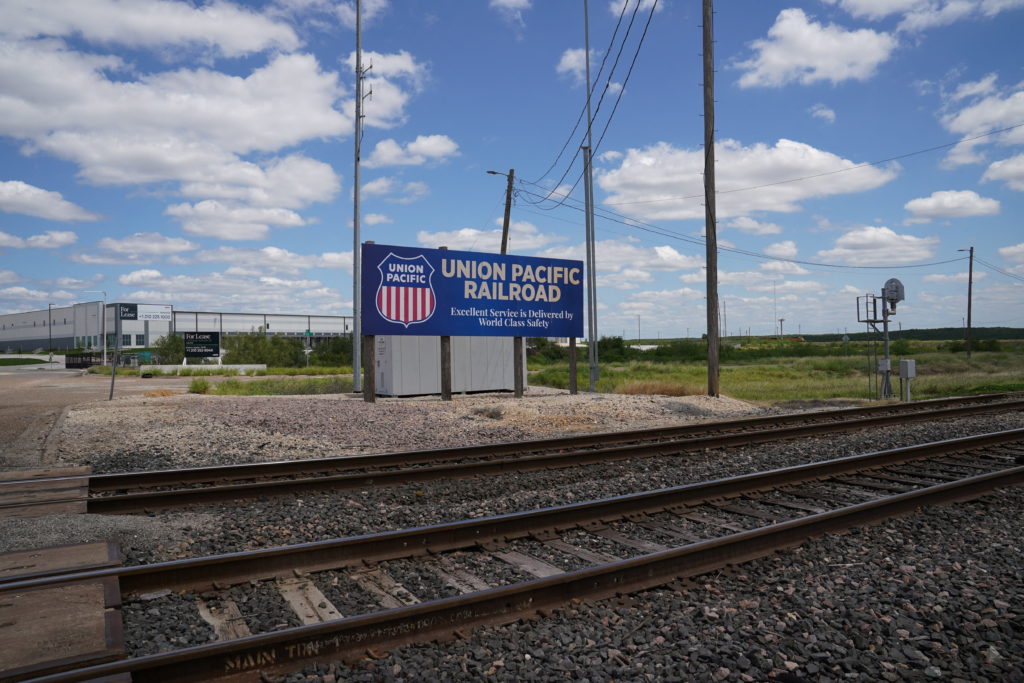
For border communities and law enforcement, these events illustrate the operational challenges of monitoring extensive rail networks that transit between the two nations. The deaths of seven people in a single event follows a previous 2022 incident in Texas where 53 migrants died in a tractor-trailer, which remains the deadliest smuggling attempt in U.S. history. These recurring fatalities have led to increased scrutiny of transport companies like Union Pacific and how cargo containers are secured at border crossings.
The legal proceedings for the nine defendants in custody will now move through the U.S. District Court for the Western District of Texas. The court will determine the level of involvement for each individual, ranging from U.S. citizens to those without legal status, as identified by the U.S. Attorney’s office. The outcome of this case may set further precedents for how the Justice Department prosecutes smuggling conspiracies that involve multi-state and international financial transactions.