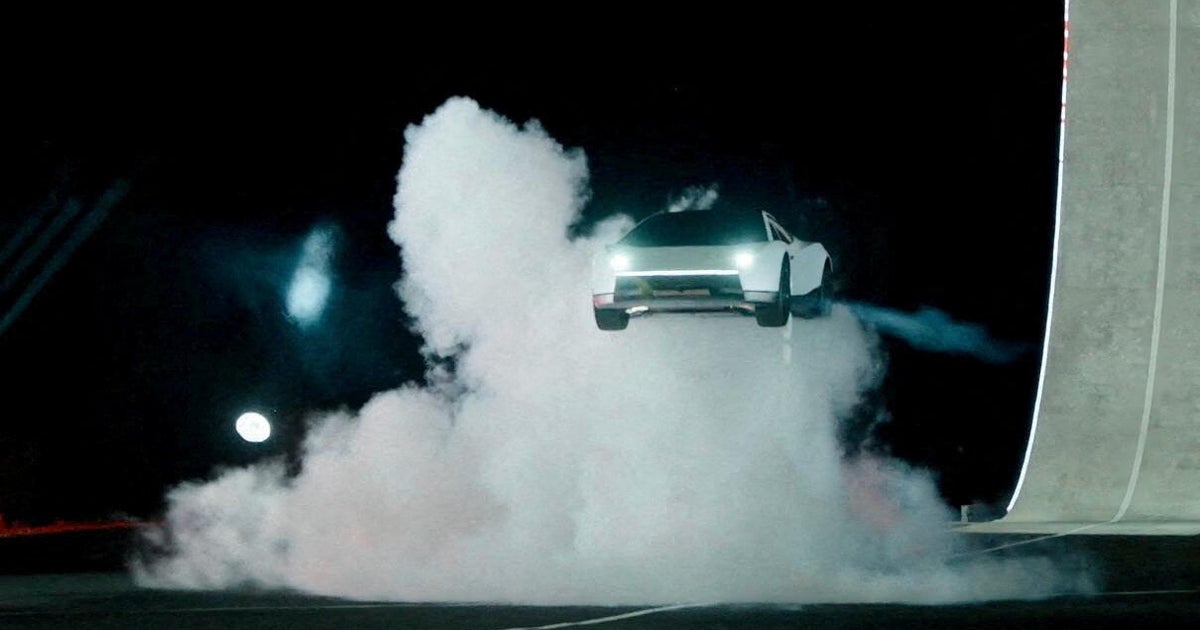
Tesla CEO Elon Musk demonstrated a new version of the Tesla Roadster sports car during a livestreamed event at a SpaceX facility in Texas on Thursday. During the presentation, Musk described the vehicle as a "flying" car equipped with air thrusters and stated it was scheduled to enter production in 2028.
The event took place at a test facility operated by SpaceX, Musk's aerospace company. While the concept of flying vehicles dates back to Glenn Curtiss's 1917 prototype, the sector has faced persistent technical and regulatory hurdles. Musk attributed the new Roadster's capabilities to a collaboration between Tesla and SpaceX, noting that advancements in electric motors and high-performance batteries have made such designs more feasible.
In a demonstration broadcast on the social media platform X, the Roadster launched from a ramp that curled over so the vehicle was upside down. The car appeared to cling to the surface before traveling off the end of the ramp, rotating 180 degrees in the air, and landing on its wheels. Musk said the vehicle uses "ultra high-pressure air tanks" for propulsion, though he noted that its ultimate "success is not guaranteed."
The scale of the project involves two major private entities, Tesla and SpaceX, and follows other recent expansions by Musk's companies. On October 8, Musk announced that SpaceX’s Starlink Mobile business had acquired radio airwave licenses intended to provide cellular service inside buildings. This move is aimed at establishing the company as a major U.S. mobile carrier, providing what Musk described as "complete phone coverage" across the country.
The introduction of air-propelled vehicles could influence future transportation policy and urban planning if the technology moves beyond the prototype stage. However, the immediate impact remains limited to the demonstration phase and the stated production goal. The next milestones for the Tesla Roadster include the transition to manufacturing in 2028, while SpaceX continues its efforts to integrate its newly licensed spectrum into its mobile network. Specific court dates or federal regulatory approval deadlines for the flight technology were not reported.