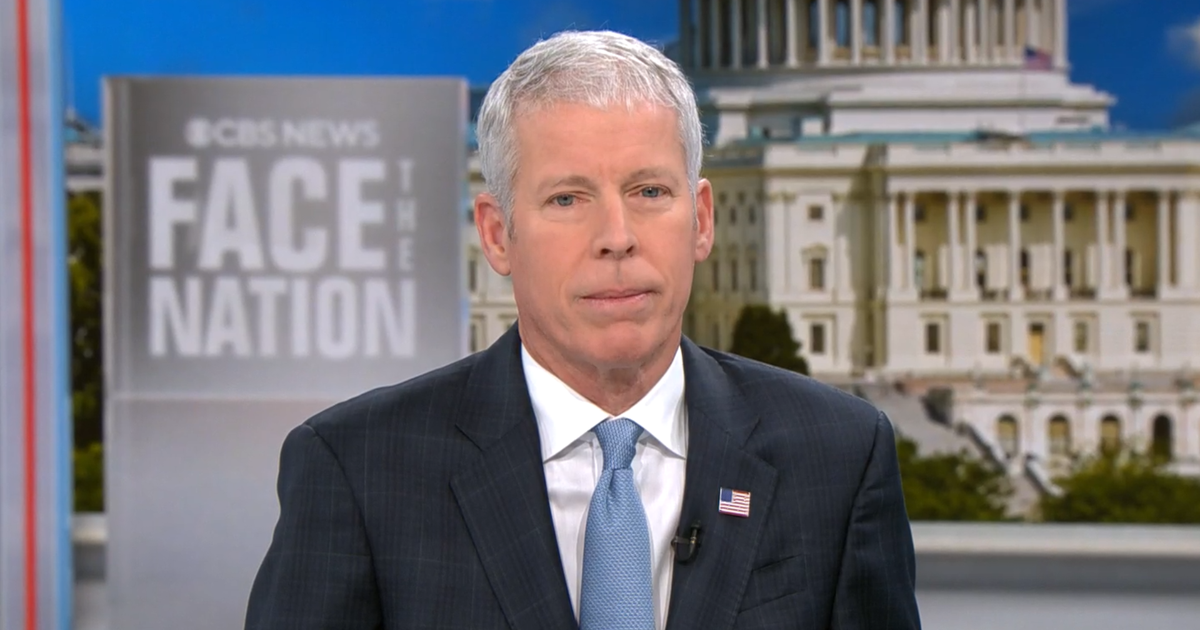
Energy Secretary Chris Wright stated on Sunday that President Trump understood the potential disruptions to global energy supplies before initiating military action against Iran earlier this year. Appearing on "Face the Nation with Margaret Brennan," Wright said the president acknowledged that the conflict would increase energy prices in the short term but concluded that a nuclear-armed Iran posed an unsustainable risk to the world. Wright characterized the administration's position as a stand against what he termed the world’s greatest terrorist regime obtaining nuclear weapons.
The remarks come as U.S. consumers face high costs for gasoline and diesel fuel. Wright expressed confidence that energy prices would decline over the next four weeks, citing increased supplies moving through the Strait of Hormuz, rising U.S. gasoline production, and the end of the summer driving season. He noted that diesel prices, which recently exceeded $6.50 a gallon, have dropped by approximately 20 cents in recent days and predicted they would fall below $6.00, though he did not provide a specific date for that milestone.
To address supply shortages, Wright highlighted a recent agreement with Group of Seven (G7) nations to release 100 million barrels of fuel from reserves over the next four months. He stated that this release is intended to mitigate the impact of shut-down Russian diesel exports and China's decision to cease diesel deliveries. While Wright has opposed a domestic diesel export ban, he noted that President Trump continues to discuss various options, including an export ban, as part of a "constant dialogue" on lowering consumer costs.
The ongoing military conflict and resulting energy price fluctuations affect U.S. farmers, construction firms, and food banks that rely on diesel to operate machinery and delivery trucks. With diesel prices reaching levels above $6.50 a gallon earlier this year, these commercial users have faced higher operating costs. A 20-cent drop represents a reduction in fuel costs, but prices remain high compared to historical averages.
The government response involves the coordination of the G7 nations to inject 100 million barrels of fuel into the global market over a 120-day period. This international release is intended to counteract the loss of Russian diesel exports and a reduction in flows from the Gulf region. Energy Secretary Wright indicated that the administration expects these measures to bring diesel prices below $6.00 per gallon "before too long."
Wright stated the administration is working to reverse previous policies that he said were designed to shrink hydrocarbon production and refining. As the U.S. approaches midterm elections, the administration's ability to lower gasoline and diesel prices remains a focus of internal policy discussions. Both diplomatic and military tracks regarding Iran remain open, according to Wright, with no specific timeline provided for further military escalation or a resolution to the conflict.