The Plain Record

Neutral daily news — clear headlines, complete facts.

Politics

Energy Secretary Wright Forecasts Gasoline Price Decline Following Labor Day

Energy Secretary Chris Wright cited seasonal demand and increased production as factors that may lower gasoline prices.

Published September 6, 2026 at 1:06 PM EDT

The short answer

Energy Secretary Chris Wright cited seasonal demand and increased production as factors that may lower gasoline prices. U.S. Energy Secretary Chris Wright said in a televised interview on September 6, 2026, that gasoline prices are expected to decline.

Energy Secretary Wright Forecasts Gasoline Price Decline Following Labor Day

The Facts

Who
Energy Secretary Chris Wright
What
Energy Secretary Chris Wright discussed fuel price trends, refining capacity, and international energy deals during a televised interview.
When
September 6, 2026
Where
Denver, Colorado
Why
To explain the administration's strategy for lowering fuel prices through increased domestic and international production.

Timeline of what happened

Key dates and decisions, in the order they occurred.

  1. March 8, 2026

    Wright states elevated energy prices will be temporary in previous interview

  2. September 4, 2026

    Strike reported on Iranian oil tankers two days prior to interview

  3. September 6, 2026

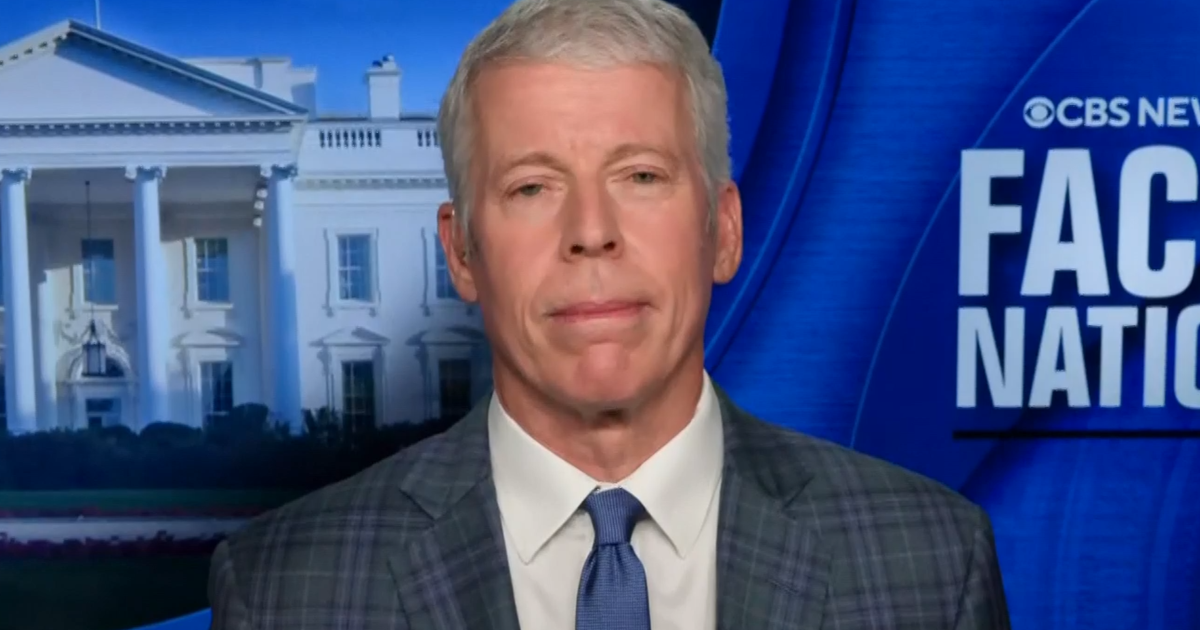
    Wright discusses fuel prices and Venezuela deal on Face the Nation

  4. September 20, 2026

    Target date for predicted three-dollar gas prices

U.S. Energy Secretary Chris Wright said in a televised interview on September 6, 2026, that gasoline prices are expected to decline. Wright attributed the anticipated drop to the end of the summer driving season following Labor Day and recent regulatory changes by the Trump administration intended to allow domestic refiners to increase production.

The interview occurred as fuel costs fluctuated, with diesel reaching a price of $5.89 per gallon earlier in the week. Wright’s comments followed a mention by Margaret Brennan of a prediction by Secretary Bessent that gas prices could return to three dollars by September 20, depending on the outcome of talks with Iran.

Wright identified global refining capacity as a primary driver of current high prices, noting that Russia has shifted from an exporter to an importer of gasoline due to refinery damage. To address supply, he highlighted a 50% growth in oil exports from Venezuela over the last eight months and efforts to increase production in Alaska and the Gulf of Mexico.

Wright noted that U.S. involvement in Venezuela resulted in a 50% increase in that country's oil exports over eight months at "zero cost" to U.S. taxpayers, though the deal involves the U.S. gaining ownership interests in production and discounted oil. For an average household, these shifts in global supply and domestic refining regulations are intended to lower the per-gallon cost at the pump.

The U.S. government remains in dialogue with Canadian energy partners and is pursuing increased extraction in Alaska and the Gulf. While Wright expressed openness to a negotiated settlement with Iran, he stated the U.S. military is currently working to stop Iranian crude and natural gas exports. A specific timeline for Venezuelan elections remains unconfirmed, though Wright stated that opposition leaders have returned to the country to discuss election conditions.

Summaries are written by The Plain Record to state the facts of a story plainly and without political slant. Drafted with AI assistance and checked against the source record before publication. See how we report, or report a correction.

← Back to the front page

Questions readers ask

What happened: Energy Secretary Wright Forecasts Gasoline Price Decline Following Labor Day?

Energy Secretary Chris Wright discussed fuel price trends, refining capacity, and international energy deals during a televised interview.

Who is involved?

Energy Secretary Chris Wright

When did this happen?

September 6, 2026

Where did this happen?

Denver, Colorado

Why does this matter?

To explain the administration's strategy for lowering fuel prices through increased domestic and international production.