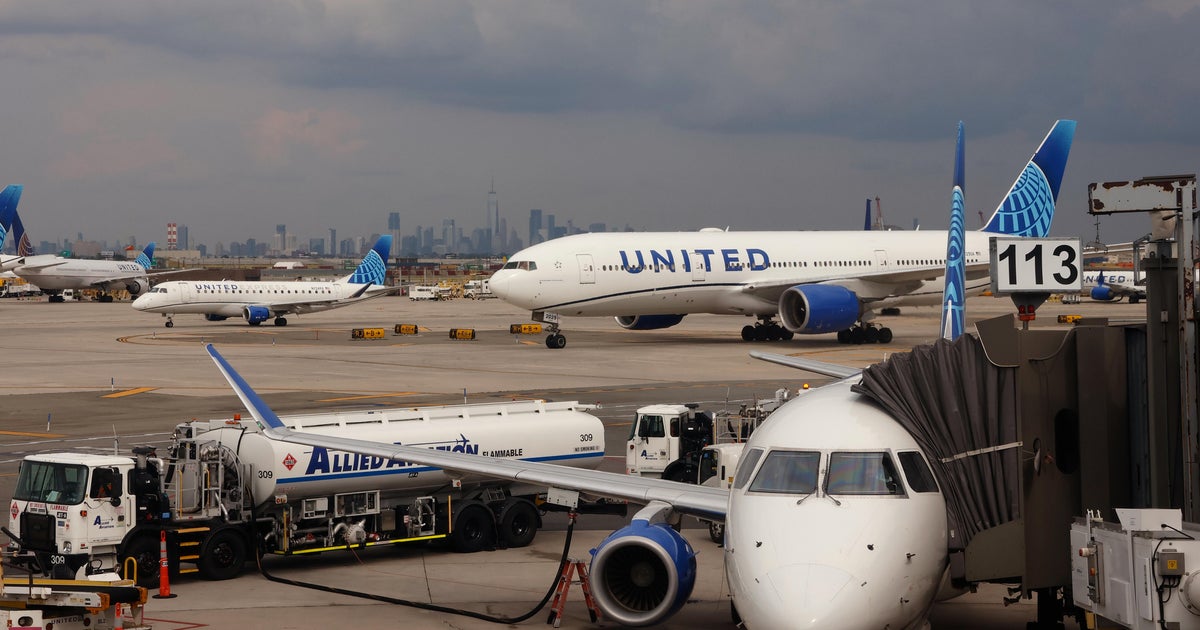
The Federal Aviation Administration (FAA) issued ground stops and delayed flights at Newark Liberty International, John F. Kennedy International, and LaGuardia airports on Monday, September 21, 2026. The agency attributed the disruptions to equipment failures and telecommunications issues at regional air traffic control facilities.
The problems originated with technical issues at the Philadelphia Terminal Radar Approach Control (TRACON) and the New York TRACON in East Garden City. TRACON facilities utilize radar and radio equipment to guide aircraft during takeoff and landing. A spokesperson for the FAA stated that issues with specific frequencies at the Philadelphia facility necessitated a pause in flights into Philadelphia International, Teterboro, and Newark Liberty International airports.
According to FAA advisories, a ground stop was first ordered for Newark at approximately 10 a.m. Monday and was extended multiple times. Subsequent stops were issued for JFK at 12:38 p.m. and LaGuardia at 12:43 p.m. ABC7NY reported that three radar scopes went dark and radio communications were lost at the Philadelphia facility, forcing dozens of airborne planes to divert to alternate airports or return to their points of origin.
The disruptions affected travelers using several aviation hubs including Newark, JFK, LaGuardia, Philadelphia International, and Teterboro. The FAA reported that gate hold and taxi delays reached 31 to 45 minutes at Newark and exceeded 30 minutes at LaGuardia. Passengers reported longer disruptions on the ground; one traveler reported sitting on a tarmac in Allentown, Pennsylvania, for three to four hours after his flight from Memphis was diverted. Three flights from California were forced to turn back mid-journey.
For travelers, the impact resulted in extended travel times, such as a five-hour flight from Los Angeles turning into a nine-hour journey. United Airlines, which maintains a large service presence at Newark, was affected. In response to the equipment failure, United implemented a travel waiver for its customers covering both Monday and Tuesday to allow for schedule adjustments without typical fees.
The FAA reported that operations returned to normal later on Monday after technicians addressed the equipment issues. While airport officials expressed hope that schedules would be fully restored by Tuesday morning, the incident highlighted the reliance of East Coast air traffic on regional radar facilities. Technicians are continuing to investigate the failure.