The Plain Record

Neutral daily news — clear headlines, complete facts.

National

Ethics Groups Allege Hatch Act Violations by Cabinet Officials in Midterm Campaigning

At least nine of the 15 cabinet secretaries in the Trump administration face allegations of violating the Hatch Act by participating in partisan campaign events.

Background: Executive orders and what they can do

Published October 29, 2026 at 1:22 PM EDT

The short answer

At least nine of the 15 cabinet secretaries in the Trump administration face allegations of violating the Hatch Act by participating in partisan campaign events.

Ethics Groups Allege Hatch Act Violations by Cabinet Officials in Midterm Campaigning

The Facts

Who
Nine U.S. Cabinet Secretaries including Doug Burgum (Interior), Howard Lutnick (Commerce), Pete Hegseth (Defense), Sean Duffy (Transportation), and Todd Blanche (Attorney General), as well as FCC Chairman Brendan Carr.
What
Nine U.S. Cabinet Secretaries including Doug Burgum (Interior), Howard Lutnick (Commerce), Pete Hegseth (Defense), Sean Duffy (Transportation), and Todd Blanche (Attorney General), as well as FCC Chairman Brendan Carr.
When
August through October 2026
Where
Washington, D.C., Alaska, Iowa, New York, and Michigan
Why
To determine if federal officials used their government authority to influence the 2026 midterm elections.

Ethics experts and nonprofit organizations have accused at least nine of President Donald Trump’s 15 cabinet secretaries of violating the Hatch Act during the 2026 midterm election cycle. The Hatch Act is a federal law that prohibits executive branch employees from using their official authority or government resources for partisan political activities. While the president and vice president are exempt, the law applies to all other civil employees within the executive branch.

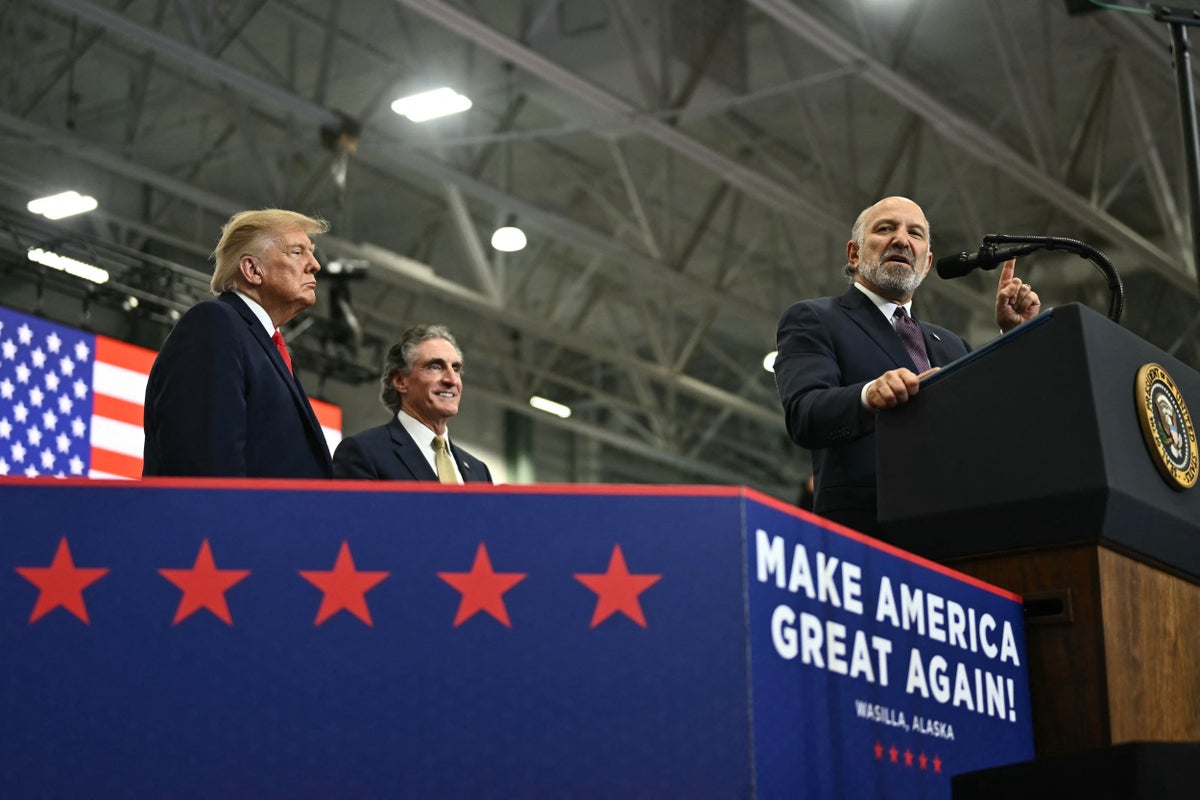
The accusations center on cabinet members attending campaign rallies and using their official government titles while endorsing candidates. The nonprofit group Democracy Defenders Fund filed a formal complaint with the Office of Special Counsel (OSC) following an October 13 event in Alaska. According to the complaint, Interior Secretary Doug Burgum and Commerce Secretary Howard Lutnick were introduced by their official titles by the president during a rally for Republican Senate candidate Dan Sullivan. Federal Communications Commission (FCC) Chairman Brendan Carr also attended, and though he stated he spoke in a personal capacity, the group alleged his remarks focused on FCC business.

Other officials cited in reports include Attorney General Todd Blanche, who appeared at a New York rally in August and spoke at a Republican National Convention event in September. Transportation Secretary Sean Duffy endorsed a Senate candidate in Michigan, while Defense Secretary Pete Hegseth faced a complaint from the nonprofit Steady State for campaigning in Kentucky and Iowa. Hegseth told an Iowa crowd in September that he was attending in a "personal capacity" based on legal advice. The White House defended these actions, with spokeswoman Lauren Bis stating that senior officials are permitted to discuss policies and candidates to advance the administration's agenda.

For the American public, the enforcement of this law dictates whether government business—such as the FCC's commitment to high-speed internet in Alaska or the Department of Justice's reports on crime rates—can be used as a platform for political endorsements. Critics argue that when officials stump for candidates using their formal titles, it creates an appearance that the federal government is endorsing specific partisan outcomes. Conversely, the administration maintains that these officials are exercising their right to advocate for their policy agendas, a practice they claim is well-established for senior executive staff.

The next steps involve the Office of Special Counsel reviewing the filed complaints to determine if formal investigations are warranted. The OSC declined to comment on the status of these specific inquiries on October 29. While the midterm elections are scheduled for November 2026, the legal and administrative review of these complaints often extends well beyond Election Day. There are currently no public deadlines for when the OSC must release its findings.

Timeline of what happened

Key dates and decisions, in the order they occurred.

  1. August 2026

    Attorney General Todd Blanche attends New York campaign rally

  2. September 16, 2026

    Ethics complaint filed regarding Defense Secretary Pete Hegseth’s Iowa appearance

  3. September 24, 2026

    Attorney General Todd Blanche speaks at RNC midterm event

  4. October 13, 2026

    Cabinet members attend campaign rally for GOP Senate candidate in Alaska

  5. October 19, 2026

    Democracy Defenders Fund issues news release on formal Hatch Act complaint

  6. October 28, 2026

    The New York Times reports nine cabinet secretaries accused of violations

Summaries are written by The Plain Record to state the facts of a story plainly and without political slant. Drafted with AI assistance and checked against the source record before publication. See how we report, or report a correction.

← Back to the front page

Questions readers ask

What happened: Ethics Groups Allege Hatch Act Violations by Cabinet Officials in Midterm Campaigning?

Nine U.S. Cabinet Secretaries including Doug Burgum (Interior), Howard Lutnick (Commerce), Pete Hegseth (Defense), Sean Duffy (Transportation), and Todd Blanche (Attorney General), as well as FCC Chairman Brendan Carr.

Who is involved?

Nine U.S. Cabinet Secretaries including Doug Burgum (Interior), Howard Lutnick (Commerce), Pete Hegseth (Defense), Sean Duffy (Transportation), and Todd Blanche (Attorney General), as well as FCC Chairman Brendan Carr.

When did this happen?

August through October 2026

Where did this happen?

Washington, D.C., Alaska, Iowa, New York, and Michigan

Why does this matter?

To determine if federal officials used their government authority to influence the 2026 midterm elections.