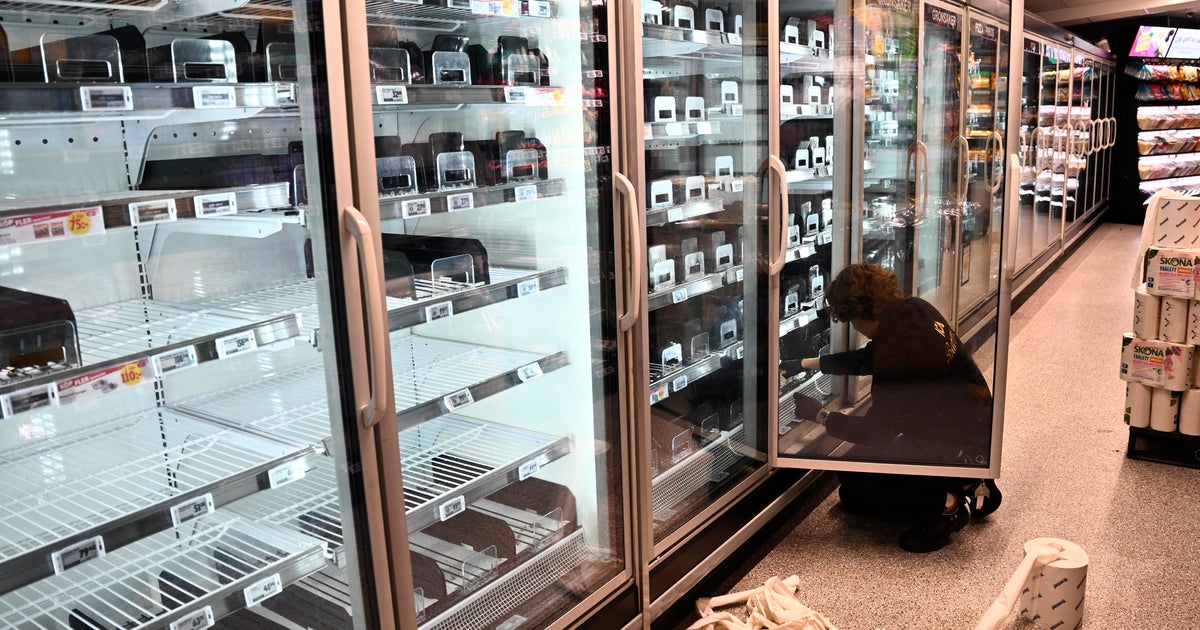
Grocery store chains in Belgium, Luxembourg, Sweden, and the Netherlands reported unexpected temperature spikes in their refrigeration systems on Monday, Nov. 2, 2026, resulting in food spoilage. This follows a series of events in France on Oct. 12, 2026, where hackers reportedly raised refrigerator temperatures to as high as 122 degrees Fahrenheit (50 degrees Celsius).
The incidents have raised concerns among retailers and government officials regarding the vulnerability of internet-connected infrastructure. On Oct. 12, the Paris prosecutor's office confirmed a large-scale attack affected several major French retailers, including Intermarché, Carrefour, and Monoprix. Authorities in France identified a potential vulnerability in software supplied by Danish manufacturer Danfoss, noting that affected units were running outdated firmware.
On Nov. 2, Belgian refrigeration company Sabcobel stated that a cyberattack caused evaporators in store units to switch into defrost mode. Ahold Delhaize, which operates in the Netherlands and the U.S., reported a cybersecurity incident to Dutch police in October and took several systems offline as a precaution. In Sweden, the Coop chain reported that six of its 800 stores were affected, while an ICA store in Sjobo reported on social media that its systems had been hacked to set temperatures at 50 degrees Celsius.
Ahold Delhaize, which also has major operations in the U.S., saw websites for its Stop & Shop, Giant, Hannaford, and Food Lion chains go offline temporarily following its cybersecurity incident. The disruptions also follow reports of similar issues at approximately 12 U.S. military commissaries in late August. These events establish how remote access to industrial control systems—designed to allow maintenance companies to adjust settings over the internet—can be used to cause food spoilage and fires.
What happens next: No group has claimed responsibility for the attacks. French Prime Minister Sebastien Lecornu has instructed the National Cybersecurity Agency (ANSSI) to investigate the source of the breaches. Danfoss has advised its customers to migrate legacy systems to current-generation solutions and update firmware to address vulnerabilities that allow attackers to bypass authentication controls. European Union food and agriculture commissioner Christophe Hansen stated that food security requires increased attention at all levels. Retailers are currently assessing the need for physical modifications to refrigeration units to prevent future remote tampering.