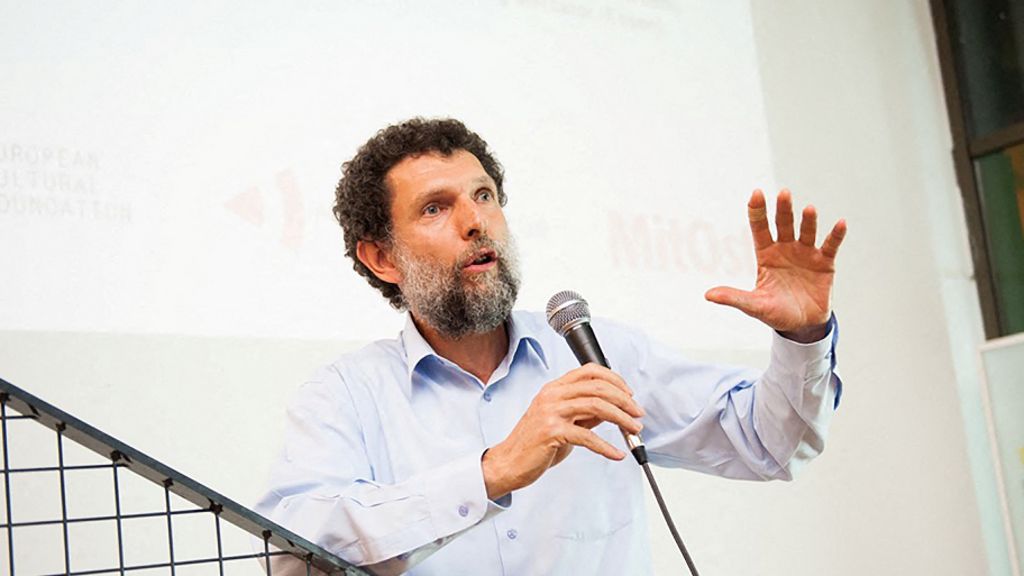
The European Court of Human Rights (ECHR) ordered Turkey on Tuesday to immediately release activist and philanthropist Osman Kavala, who has been in prison since 2017. The court ruled that Kavala’s detention is unlawful and his conviction "null and void," stating that his rights to a fair trial, freedom of expression, and association were violated.
The ruling follows nearly a decade of legal proceedings centered on Kavala, 68, who was sentenced to life in prison in 2022. The charges were related to his alleged involvement in the 2013 Gezi Park protests and a failed military coup attempt in 2016. While the Turkish government maintains that its judiciary is independent, the ECHR stated that the measures against Kavala were "predominantly motivated by an ulterior purpose" to punish and silence him for his activities as a human rights defender.
In its decision, the court identified what it termed a "systemic problem" in Turkey regarding the prosecution of political opponents, journalists, and human rights defenders. The ECHR also classified Kavala’s aggravated life sentence as "inhuman and degrading treatment." This is the third binding ruling from the court demanding his release; Turkey did not implement a previous demand in 2019.
The scale of the dispute involves the potential for the Council of Europe to freeze Turkey's membership or suspend its voting rights. Such a move would be a significant diplomatic shift for a nation that has remained engaged with the European legal system despite previous disagreements. For Kavala, the ruling addresses a life sentence—the most severe penalty in the Turkish legal system—which has kept him detained for nearly nine years without the possibility of parole.
In concrete terms, a person in Turkey would notice the impact of this ruling through the potential for judicial reform or, conversely, increased international isolation. The Council of Europe’s Committee of Ministers is scheduled to meet in mid-September to prioritize the Kavala case. At that time, officials will determine whether to debate punitive measures. While the ECHR has declared the conviction "null and void," Kavala remains in prison pending the Turkish government's decision on whether to comply with the international order.