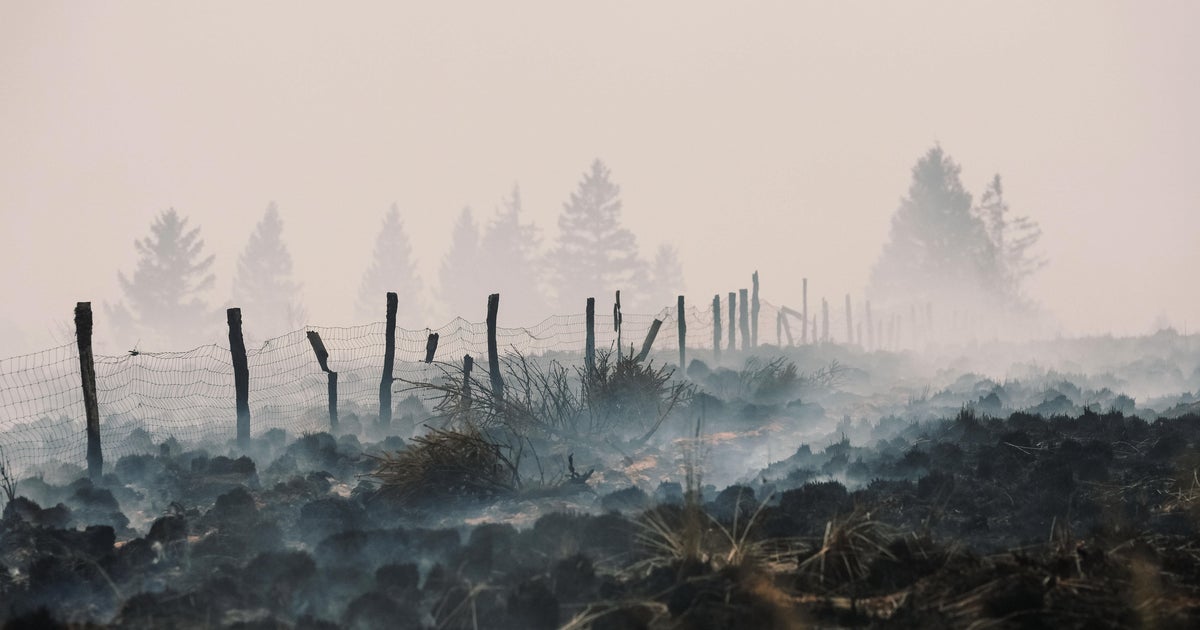
Wildfires burning across Europe have exposed and detonated unexploded ordnance dating back to World War I and World War II. The intense heat from the blazes has triggered blasts in France, Belgium, Germany, and the Netherlands, presenting a hazard to fire crews and local residents. In the Bordeaux region of France, officials reported that ammunition depots buried underground exploded during a massive wildfire, with one munition reportedly striking a house.
The current fire season followed a period of heavy rain in January that encouraged vegetation growth, which later dried out during a summer characterized by drought, low humidity, and high temperatures. According to a study released last month by the World Weather Attribution group, these conditions created an ideal environment for wildfires. Peace and conflict scholar Sarah Njeri stated that changing climate patterns are "reactivating" previously stable underground munitions that were once kept dormant by predictable rainfall and steady temperatures.
In the High Fens region of Belgium, a site of significant World War II combat, Governor Hervé Jamar confirmed "a few sporadic detonations" recently occurred within a fire area. Emergency services in the province of Liege have adjusted their response protocols to account for buried booby traps, bombs, and mines. In France, authorities in Le Porge recovered approximately 400 shells and pieces of ammunition, including German and French mortar shells and anti-tank explosives, after a fire uncovered a hidden cache.
The scale of the issue extends beyond wildfires to include Europe's major waterways. Recent drought conditions have caused water levels to recede, revealing naval mines in the Danube River in Slovakia and World War II-era bombs in the Rhine in Germany and near Budapest’s Margaret Bridge in Hungary. While ordnance disposal teams typically manage these threats through controlled demolitions or defusal, the uncontrolled heat of wildfires removes the ability to safely manage the explosives, potentially leading to unplanned evacuations similar to those in Dresden and Belgrade where thousands were displaced by discovered munitions.
The presence of these weapons creates long-term challenges for infrastructure and transportation. For example, train traffic at Paris’s Gare du Nord station was halted in March 2025 following the discovery of a bomb near the tracks, and construction projects in Belgrade have been interrupted by 1,000-pound aerial bombs. As climate conditions continue to expose these buried legacies, authorities must maintain ongoing demining efforts. Future scheduled actions include continued scanning of former battlefields by authorized historians and demining squads to identify and secure munitions before they are triggered by environmental factors.