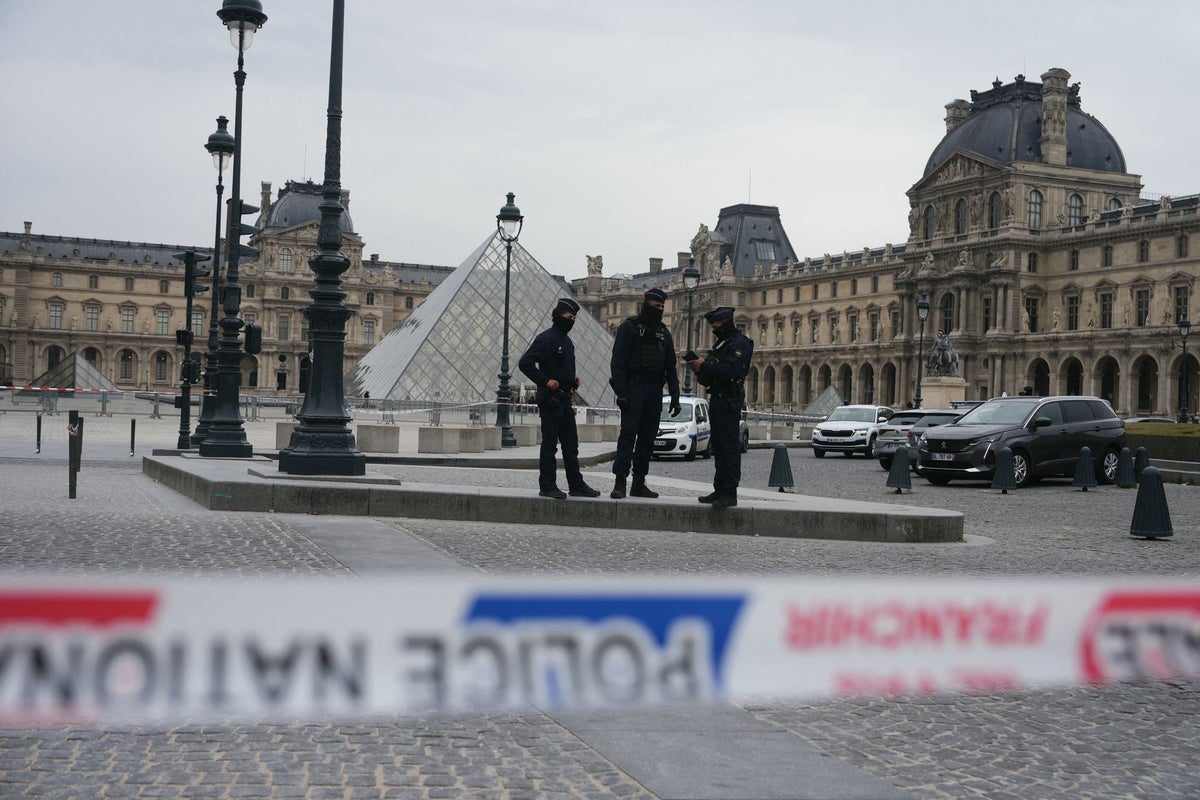
Europol, the European Union's law enforcement agency, reported on Monday that museum thefts across Europe are becoming increasingly violent. The agency stated that traditional specialized gangs are being replaced by decentralized groups of individuals recruited via social media on a "crime-as-a-service" basis. These groups are shifting their focus from traditional art to precious metals, jewels, and cultural artifacts that provide higher financial returns.
The report links this trend to a significant rise in the value of gold, which has increased by 85% over the past two years. The London Bullion Market Association, which oversees London's over-the-counter gold trading, confirmed that historic price levels for gold are contributing to a rise in illicit market flows. Europol noted that precious metals are particularly attractive to thieves because they can be melted down to remove all traces for law enforcement.
According to Europol, offenders are increasingly using physical force, including tools such as sledgehammers, axes, crowbars, and explosives to breach display cases. The agency cited a October raid at the Louvre Museum in Paris where robbers threatened visitors and staff before stealing €88 million in jewels, including Empress Eugenie’s tiara. Another incident in January of last year involved the use of explosives at a Dutch museum to steal ancient Dacian gold artifacts.
Museums and cultural sites may notice a tangible change in their daily operations, including heightened security protocols, more restrictive access to exhibits, or higher insurance premiums as theft methods become more destructive. For taxpayers and donors, these thefts result in the loss of irreplaceable cultural heritage, such as Ming Dynasty vases or ancient artifacts, which Europol reports are being targeted due to strong market demand. The London Bullion Market Association’s findings suggest that as long as gold prices remain at historic highs—having risen 85% in 24 months—illicit flows and market distortions will likely persist.
The knock-on effects extend to the global art and jewelry markets, where the fencing of melted-down gold and removed precious stones complicates legal trade. This development sets a precedent for law enforcement agencies to adapt their strategies toward monitoring social media recruitment and tracking the sale of untraceable materials. Europol did not specify exact deadlines for new security mandates, but the agency is continuing to monitor the recovery of stolen items, such as the ancient gold bracelets recovered for Romania, one of which remains missing.