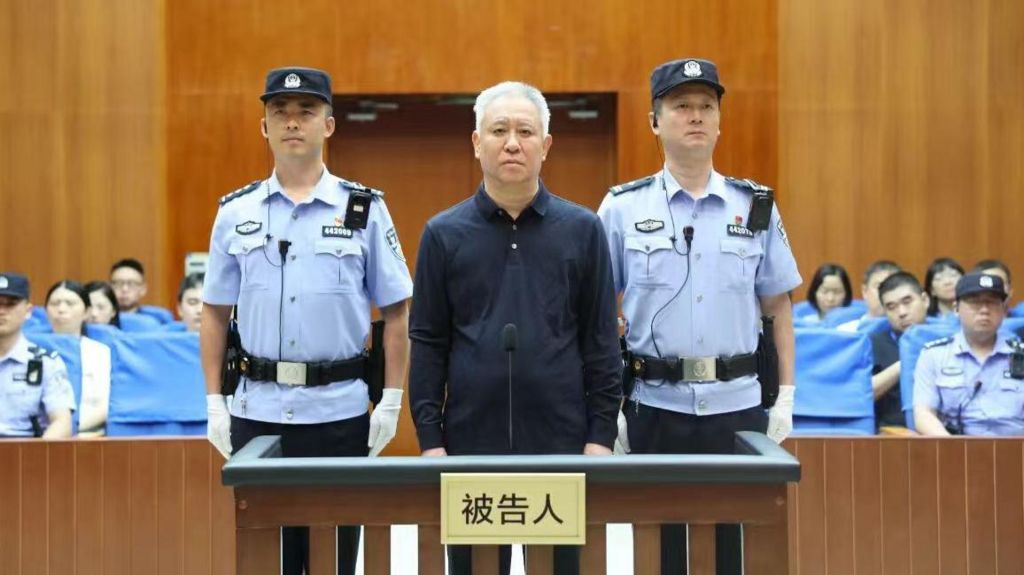
A Chinese court has sentenced Evergrande Group founder Hui Ka Yan to life in prison following the collapse of the real estate firm. The Shenzhen Intermediate People's Court also ordered the confiscation of all of Hui’s personal property after he pleaded guilty to charges including embezzlement of assets and corporate bribery.
The sentencing follows a period of financial instability for Evergrande, which was formerly China's largest property developer. The company’s decline began significantly in 2021 after it struggled to meet interest payments on its debts, a situation exacerbated by 2020 government measures intended to control debt levels in the property sector.
According to the court, Hui and his businesses "seriously disrupted" the Chinese property market and caused significant economic losses. In addition to Hui's life sentence, the court fined his former companies a total of 15.82 billion yuan ($2.35 billion) for crimes including falsifying records and concealing debt. Other executives, including Hui’s two sons, received prison sentences ranging from 22 months to 18 years.
The court previously heard in April that Evergrande had used millions of dollars in pre-sale funds from prospective homebuyers for new developments rather than for construction. This practice resulted in hundreds of unfinished projects across the country. In March 2024, Hui had already been fined $6.5 million and banned for life from China’s capital markets after the company was found to have overstated its revenue by $78 billion.
The scale of the collapse is reflected in Evergrande's market valuation, which once exceeded $50 billion but shrank by 99% before its shares were removed from the Hong Kong exchange in August 2025. This downturn has affected the wider Chinese economy, as the real estate industry previously accounted for approximately one-third of the nation's gross domestic product. Investors and domestic banks have also sustained significant losses as the company’s debt crisis spread through the sector.
The case sets a legal precedent for how the Chinese government handles corporate debt and financial reporting within its critical property market. The ongoing problems in this industry continue to weigh on the world’s second-largest economy, affecting local government revenues that relied on property development. While the sentencing of Hui Ka Yan concludes his personal legal proceedings, the source does not report specific dates for the completion of the hundreds of unfinished housing projects or the final liquidation timeline for the company's remaining assets.