Physical therapists and fitness experts reported that targeted strength and balance exercises can help manage physical discomforts associated with pregnancy, such as sciatica, leg cramps, and pelvic pain. Krystle Howald, a physical therapist and founder of the fitness platform Expecting and Empowered, stated that many common pregnancy aches are preventable through specific movements designed to stabilize the body as it shifts. The recommendations align with guidelines from the Centers for Disease Control and Prevention (CDC), which advises 150 minutes of moderate-intensity physical activity per week for pregnant women.
Experts noted that as the body changes, internal pressure systems and gait can shift, often leading to a "waddle" walk where feet and hips rotate outward. According to Howald, this gait can cause or worsen pelvic and back pain. To counter these effects, the experts suggested a regimen of two sets of exercises performed three times per week. They recommended a variety of movements tailored to different stages of pregnancy, ranging from core stabilization in the first trimester to pelvic floor preparation in the third.
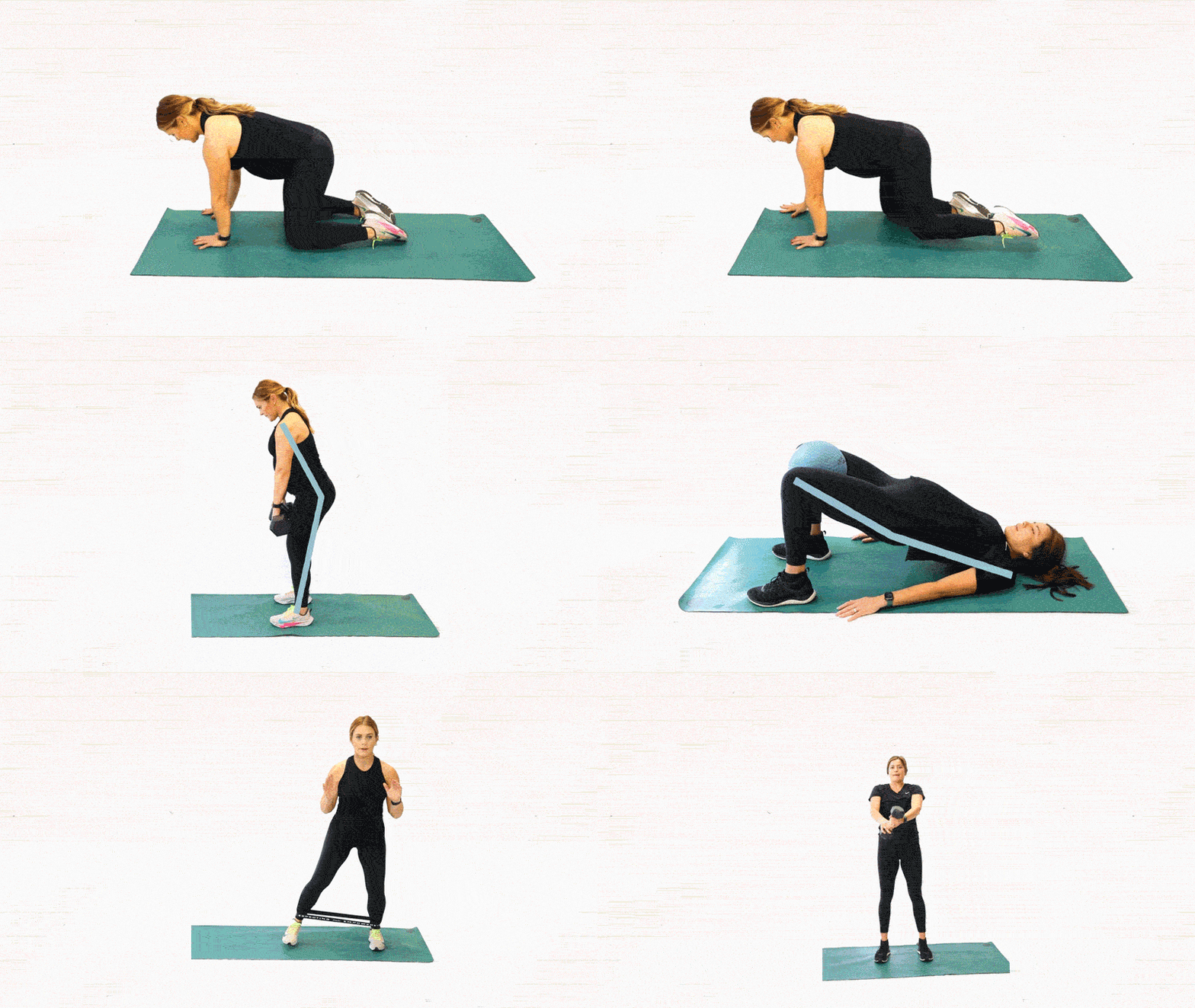
Specific recommended exercises include banded walks and glute bridges to stabilize the hips, and bird dogs or dumbbell chops to strengthen the deep core muscles, specifically the transverse abdominis. For back pain, Howald recommended Romanian deadlifts to support a changing center of gravity. Pelvic floor physical therapist Janelle Frederick noted that in the final trimester, the focus should shift toward stretching and breathing exercises, such as child's pose and diaphragmatic breathing, to prepare the pelvic floor for delivery.
The guidance provides concrete routines for women to implement at home or in a gym, such as performing 15 repetitions of glute bridges or 12 repetitions of Romanian deadlifts. These movements are designed to address "lightning crotch"—sharp pains caused by pressure on nerves near the uterus—and middle-of-the-night leg cramps. The focus on lateral hip control and postural muscle strength is intended to stabilize the musculoskeletal system as the fetus grows, which can prevent the development of long-term pelvic girdle pain.
For the healthcare and fitness industries, these recommendations emphasize the role of preventative physical therapy during pregnancy. While the experts encourage continued activity, Dr. Ana Cepin of Columbia University Irving Medical Center noted that individuals should immediately stop exercising and seek medical attention if they experience dizziness, chest pain, or shortness of breath. The next steps for individuals following this guidance include integrating these movements into their weekly strength regimens and shifting toward delivery-focused stretching as they enter their third trimester.