The Federal Aviation Administration (FAA) is investigating a software glitch affecting certain Boeing 737 Max aircraft that can cause automated flight guidance to disengage during aborted landings. Boeing notified operators of the issue in August 2026, stating that the problem occurs in specific scenarios where pilots change a pre-programmed flight plan following a missed approach.
The issue involves versions 14 and 14.1 of the flight management computer operating system. According to Boeing, the glitch may cause the Vertical Navigation (VNAV) system—which automatically maintains altitudes—to disengage and switch to a less sophisticated automated pitch control. While Boeing stated the autopilot remains functional and the issue is not an immediate safety threat, the FAA is convening a Corrective Action Review Board (CARB) to evaluate the manufacturer's findings.
Boeing was first informed of the issue by an airline in November 2024 but initially determined in February 2025 that it was not a safety concern. The company launched a formal safety review board earlier this year after receiving additional information from operators. In response, Southwest Airlines and United Airlines have notified Boeing they will not accept new aircraft equipped with the affected software, opting instead for a previous version.
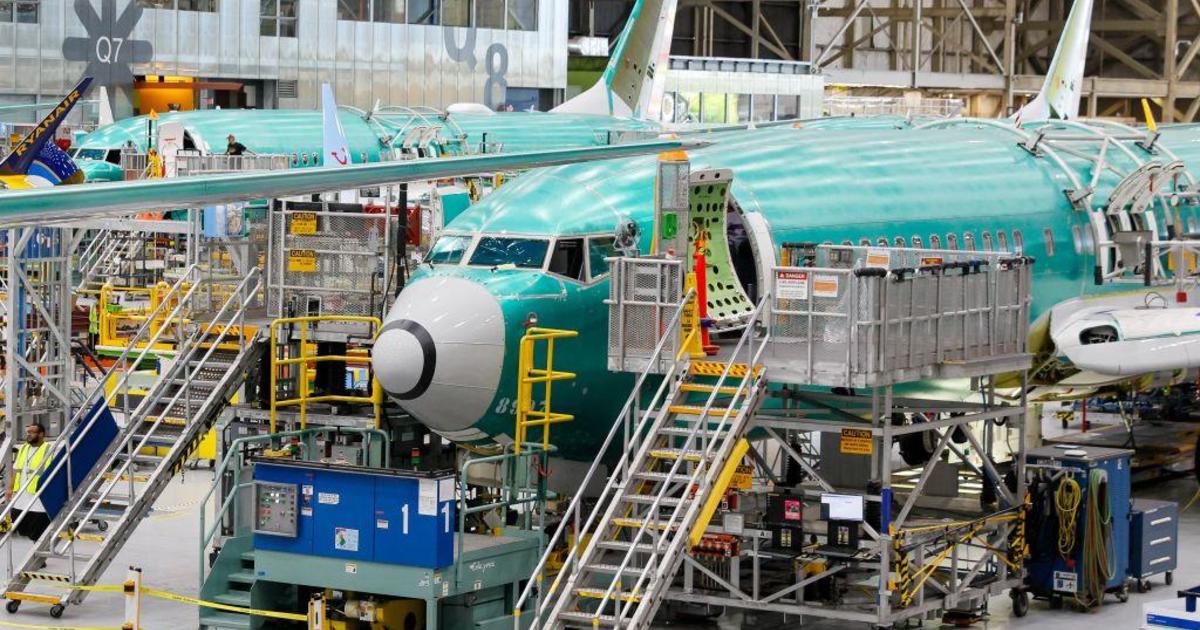
The software glitch affects airline flight crews and operators of the Boeing 737 Max. While American Airlines, United, Southwest, and Alaska Airlines report that their current in-service fleets do not use the affected software versions, the glitch impacts the delivery of new aircraft. Specifically, the issue may delay the certification of the 737 Max 10 and the delivery of the recently certified 737 Max 7. Nearly all Max 7 orders are designated for Southwest Airlines, which expected to begin receiving the planes this fall.
For pilots, the glitch introduces a requirement for additional manual steps during a "go-around," a high-workload maneuver performed at low altitudes near airports. Although Boeing states pilots are trained to land without VNAV, airline sources expressed concern regarding the introduction of distractions during critical phases of flight. The 737 Max 7 and Max 10 variants are critical to Boeing’s financial recovery following previous groundings and manufacturing issues.
The timeline for a permanent resolution remains extended, as Boeing’s initial estimates placed the availability of a software fix in 2028. The manufacturer is currently attempting to accelerate that schedule and plans to issue updated procedural guidance for pilots in November 2026. The FAA stated it will take immediate action if a safety concern is identified during its review of Boeing's safety board findings.
Boeing, the FAA, and airlines are currently assessing whether the glitch poses a safety risk. The 737 Max 10, which was thought to be days away from certification, faces a potential delay in entering commercial service for launch customer Alaska Airlines while the software is reviewed.