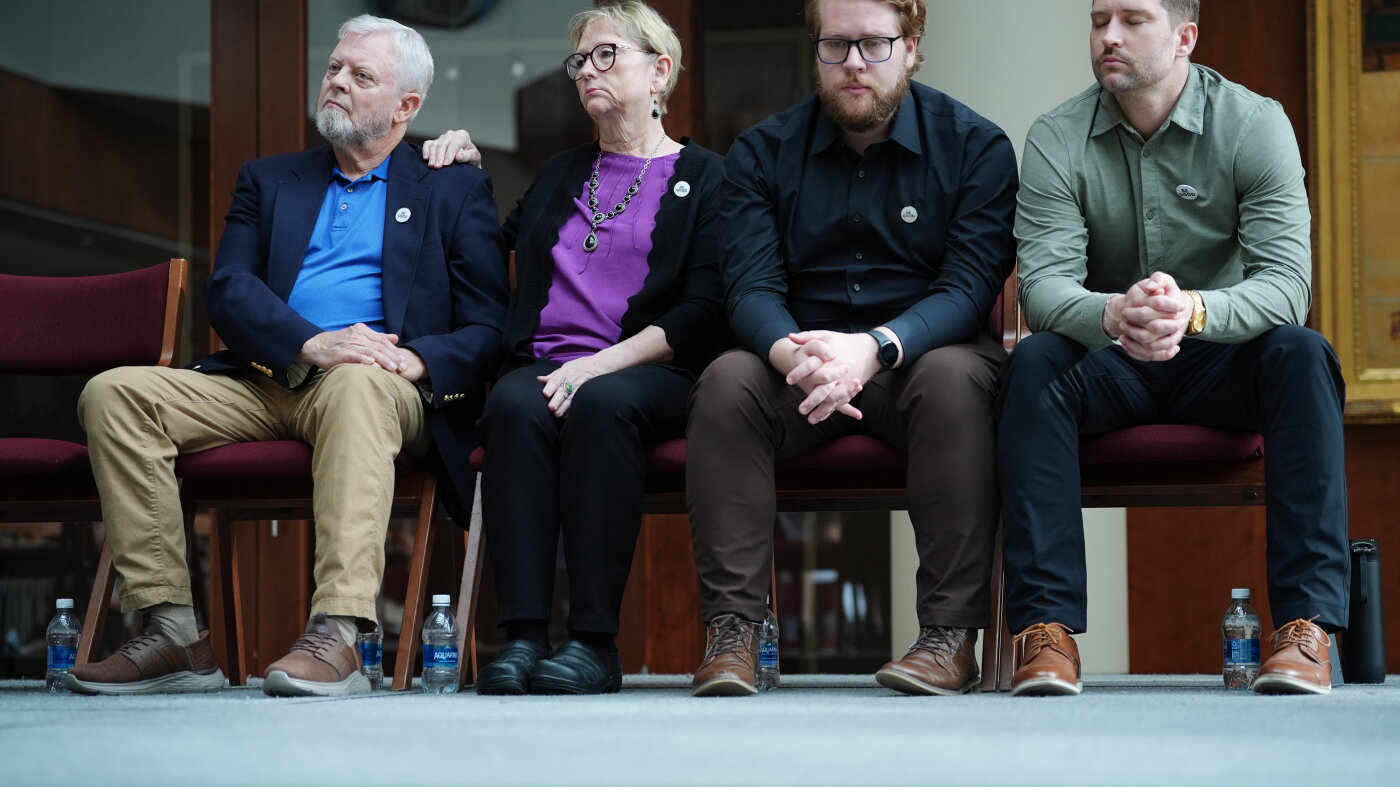
The family of Renee Good filed two civil lawsuits against the federal government and several high-ranking officials on Thursday, October 1, 2026, following her fatal shooting by an immigration agent in January. Good, a 37-year-old U.S. citizen and mother of three, was shot and killed in her car on January 7, 2026, during a protest against federal immigration enforcement operations in Minneapolis. The lawsuits represent the first major civil legal challenges to the administration's immigration enforcement campaign in Minnesota.
The first lawsuit, filed under the Federal Tort Claims Act, names the United States as the sole defendant. It alleges wrongful death, battery, assault, and negligence, arguing that Immigration and Customs Enforcement (ICE) officer Jonathan Ross used excessive force and violated agency policies. The complaint seeks damages for the suffering Good experienced and for the emotional distress of her partner, Becca Good, who witnessed the shooting. Federal officials previously stated Good weaponized her vehicle, though the lawsuits cite video evidence showing she was steering away from the agent at the time.
The second lawsuit alleges a conspiracy to interfere with civil rights, utilizing the Ku Klux Klan Act of 1871. This complaint names Ross alongside White House adviser Stephen Miller, former Homeland Security Secretary Kristi Noem, Border czar Tom Homan, and former Border Patrol Commander Gregory Bovino. The family's attorneys, from the firm Romanucci & Blandin, argue that Good's death was a "predictable and intended product" of a coordinated federal effort to target Somali and Hispanic residents and silence those documenting the enforcement actions.
For residents in Minneapolis and similar urban areas, these lawsuits highlight the legal standards governing federal agents operating within state borders. A person living in these districts would notice that while local police are subject to state investigations, federal agents are governed by different sets of immunity and procedural rules. The lawsuits attempt to set a precedent by applying Reconstruction-era conspiracy laws to modern executive branch policy, which legal experts suggest could influence how future administrations coordinate multi-agency enforcement surges.
The legal action follows a period of significant administrative turnover, including the resignation of at least 10 prosecutors and an FBI supervisor in connection with the investigation. The Department of Homeland Security has not provided a public response to the filings, though White House spokesperson Lauren Bis stated the administration intends to "vigorously defend" against the lawsuits. Under the Federal Tort Claims Act, the government has up to six months to issue a formal response to the claims. No trial dates have been set, and local Hennepin County officials stated they are still reviewing evidence before deciding on any state-level charges.