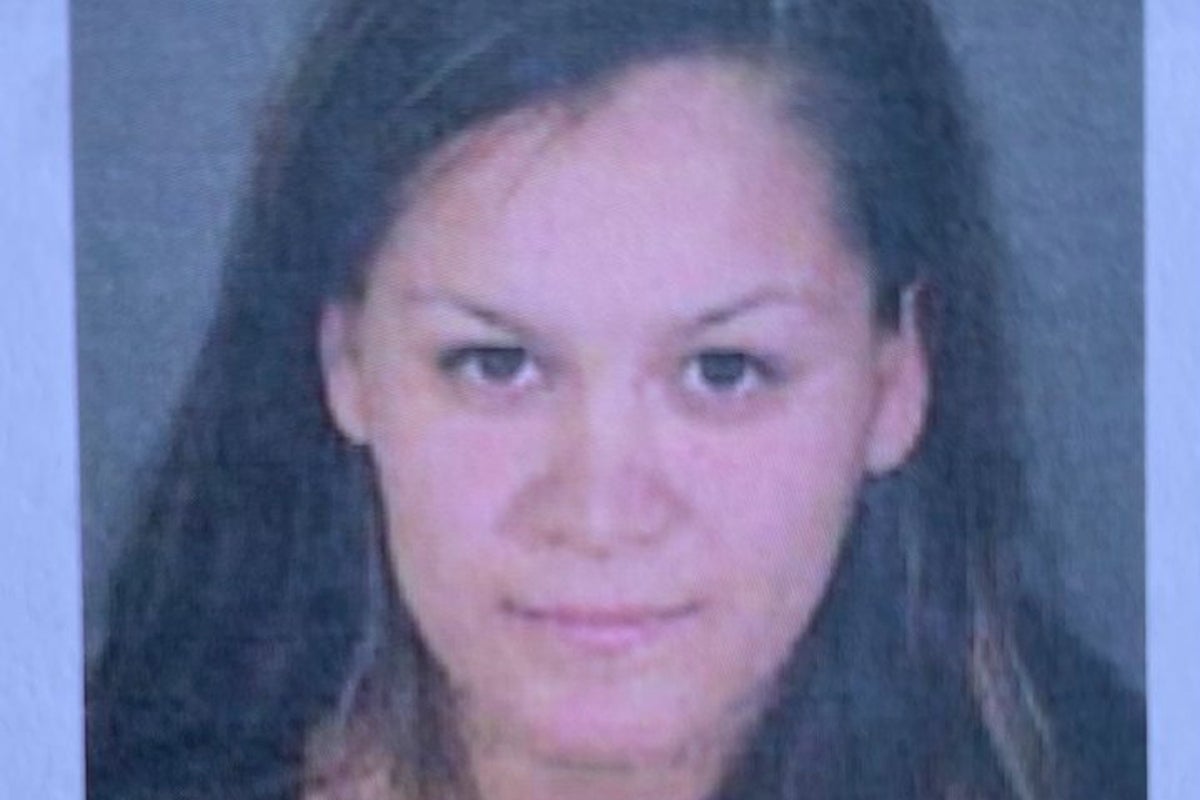
Erik Denton, the father of three children killed by their mother in 2021, has asked a judge to compel a psychologist to release records related to her mental health evaluation of the mother. The request was filed as part of Denton’s ongoing civil lawsuit against Los Angeles County and local authorities, whom he alleges failed to act on warnings regarding the mother's mental state.
Liliana Carrillo was 33 years old when she killed her children—6-month-old Sierra, 3-year-old Joanna, and 2-year-old Terry—on April 10, 2021. In October 2024, a court found Carrillo not guilty by reason of insanity. She was subsequently committed to a state mental health facility, where she remains under judicial oversight.
Denton’s attorneys filed court papers in Pasadena Superior Court seeking a court order against psychologist Dianna Lynn Barnes. The attorneys argue that Barnes has resisted a subpoena for the records, claiming they are privileged or otherwise protected from disclosure. A process server delivered notice of the motion to Barnes’ office on August 13.
According to the legal filings, Carrillo’s mental health was evaluated by several professionals during her criminal trial, including Barnes and psychiatrist Dr. David S. Rad. Denton's attorneys stated that Rad's own report cited Barnes’ findings, which concluded that Carrillo suffered from post-traumatic stress disorder and bipolar disorder with peripartum onset. The evaluation found these conditions left her unable to understand that her actions were morally wrong.
The scale of this case involves the potential liability of a major metropolitan county and its law enforcement agencies. If the court compels the release of these records, it could influence the outcome of a civil suit seeking damages for the deaths of three minors. The records in question involve detailed clinical findings from at least two medical professionals, Barnes and Rad, regarding a woman currently held in a state mental health facility.
A person following this case would notice a change in how medical privacy laws interact with civil litigation involving government liability. If the judge grants the motion, it sets a specific procedural path for how privileged mental health records may be accessed in lawsuits against public agencies. A hearing on the matter is scheduled for September 14, where Judge Jared Moses will determine if the records must be produced.