The Plain Record

Neutral daily news — clear headlines, complete facts.

Legal

FBI Expands Use of Artificial Intelligence to Process Threats and Criminal Data

FBI officials stated that artificial intelligence tools have reduced threat response times and helped locate 6,300 missing children over the past year.

Published September 3, 2026 at 8:06 PM EDT

The short answer

FBI officials stated that artificial intelligence tools have reduced threat response times and helped locate 6,300 missing children over the past year. The FBI is expanding its use of artificial intelligence to identify threats and coordinate investigations, according to statements from Director Kash Patel and Deputy Director Christopher Raia.

FBI Expands Use of Artificial Intelligence to Process Threats and Criminal Data

The Facts

Who
FBI Director Kash Patel and Deputy Director Christopher Raia.
What
The FBI has integrated artificial intelligence into its National Threat Operations Center to summarize threats, rank leads, and transcribe calls, which officials claim has significantly decreased the time between receiving tips and taking field action.
When
The source describes the expansion as ongoing following a 2025 modernization effort.
Where
Washington, D.C. and FBI field operations nationwide.
Why
To modernize the bureau's technology, handle large volumes of data, and identify imminent threats faster.

Timeline of what happened

Key dates and decisions, in the order they occurred.

  1. October 7, 2023

    Hamas attacks on Israel occur; FBI later uses AI to process 75 terabytes of data

  2. January 1, 2025

    Christopher Raia appointed FBI Deputy Director; Homeland Security Task Force created

  3. March 1, 2025

    Zachary Charles Newell sentenced to prison following AI-assisted threat detection

  4. August 1, 2025

    FBI releases annual crime report showing record drop in violent crime

  5. October 23, 2025

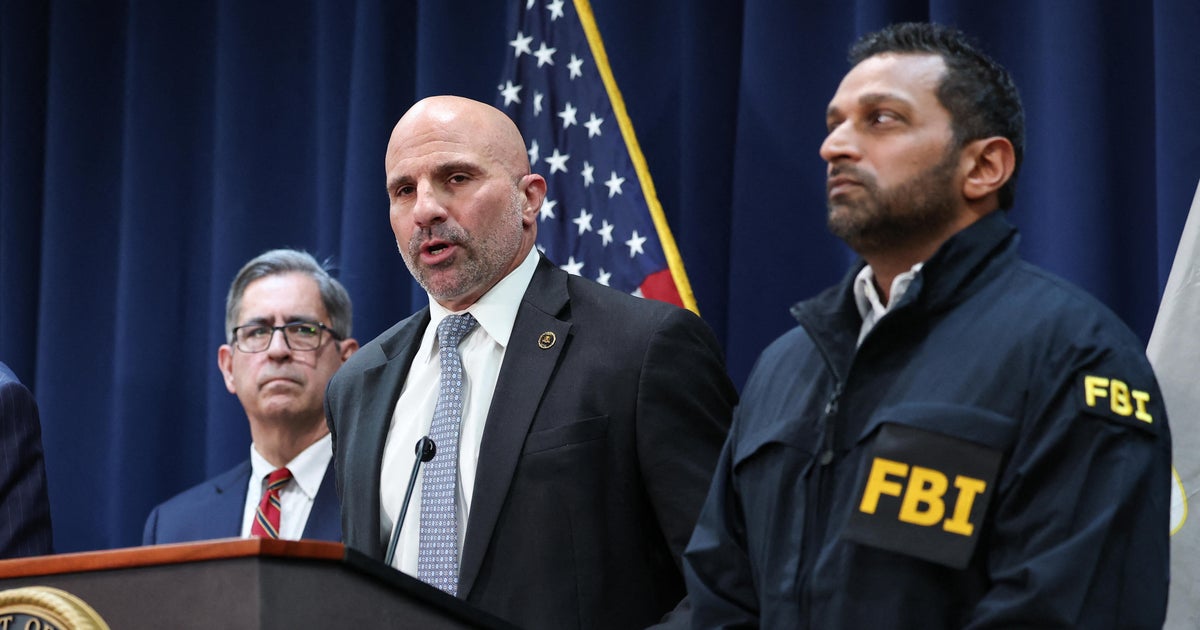
    Director Kash Patel and Deputy Director Christopher Raia speak in New York City

The FBI is expanding its use of artificial intelligence to identify threats and coordinate investigations, according to statements from Director Kash Patel and Deputy Director Christopher Raia. Bureau officials stated the technology is being used to analyze data from transnational criminal organizations and drug cartels, reducing the time required to process tips from weeks to hours or minutes. The announcement follows FBI data showing a decline in violent crime, including an 18.5% drop in robberies and a 7.2% decrease in aggravated assaults.

Director Patel reported that the bureau established an AI working group and a chief AI officer to overhaul internal systems, a modernization effort he initiated alongside then-Deputy Director Dan Bongino. Patel compared the agency’s previous technology to "archaic patchwork systems" and stated that AI now assists the National Threat Operations Center in transcribing calls, summarizing threats, and ranking leads by severity. Deputy Director Raia noted that these tools help ensure critical tips "rise to the top" for field action.

The bureau highlighted several outcomes attributed to these updates. Director Patel reported that the FBI identified and located 6,300 missing children last year, a 30% increase, and arrested 2,000 abusers, a 20% increase. In one case, AI assisted in the arrest of a North Carolina man, Zachary Charles Newell, who was sentenced to two years in prison for posting online threats against a Black preschool. Additionally, the bureau used AI to process 75 terabytes of data collected following the October 7, 2023, attacks on Israel.

The use of AI in law enforcement has also raised concerns regarding civil liberties and privacy rights. Privacy advocates, such as Naomi Brockwell of the Ludlow Institute, argue that AI allows the government to profile citizens without traditional limitations. Furthermore, the FBI's use of data from private companies like Flock Safety, which operates automated license plate readers for 6,000 agencies, has drawn scrutiny. Raia stated that the bureau remains transparent with Congress and has provided 50,000 pages of documents for oversight review over the last 18 months.

The creation of the Homeland Security Task Force by executive order in January 2025 has facilitated collaboration between the FBI, DEA, Treasury, and the Department of Defense. In April, Reps. Thomas Massie and Lauren Boebert introduced a bill that would require federal agencies to obtain warrants before using AI-assisted tools to access Americans' digital data.

Federal agencies continue to integrate private-sector AI technology, following Department of Defense deals with companies including Google and OpenAI. While the FBI maintains that AI is "supplementing" rather than replacing human agents, the bureau faces ongoing oversight from boards and Congress. The legislative status of the House bill regarding warrants for AI surveillance remains pending.

Summaries are written by The Plain Record to state the facts of a story plainly and without political slant. Drafted with AI assistance and checked against the source record before publication. See how we report, or report a correction.

← Back to the front page

Questions readers ask

What happened: FBI Expands Use of Artificial Intelligence to Process Threats and Criminal Data?

The FBI has integrated artificial intelligence into its National Threat Operations Center to summarize threats, rank leads, and transcribe calls, which officials claim has significantly decreased the time between receiving tips and taking field action.

Who is involved?

FBI Director Kash Patel and Deputy Director Christopher Raia.

When did this happen?

The source describes the expansion as ongoing following a 2025 modernization effort.

Where did this happen?

Washington, D.C. and FBI field operations nationwide.

Why does this matter?

To modernize the bureau's technology, handle large volumes of data, and identify imminent threats faster.