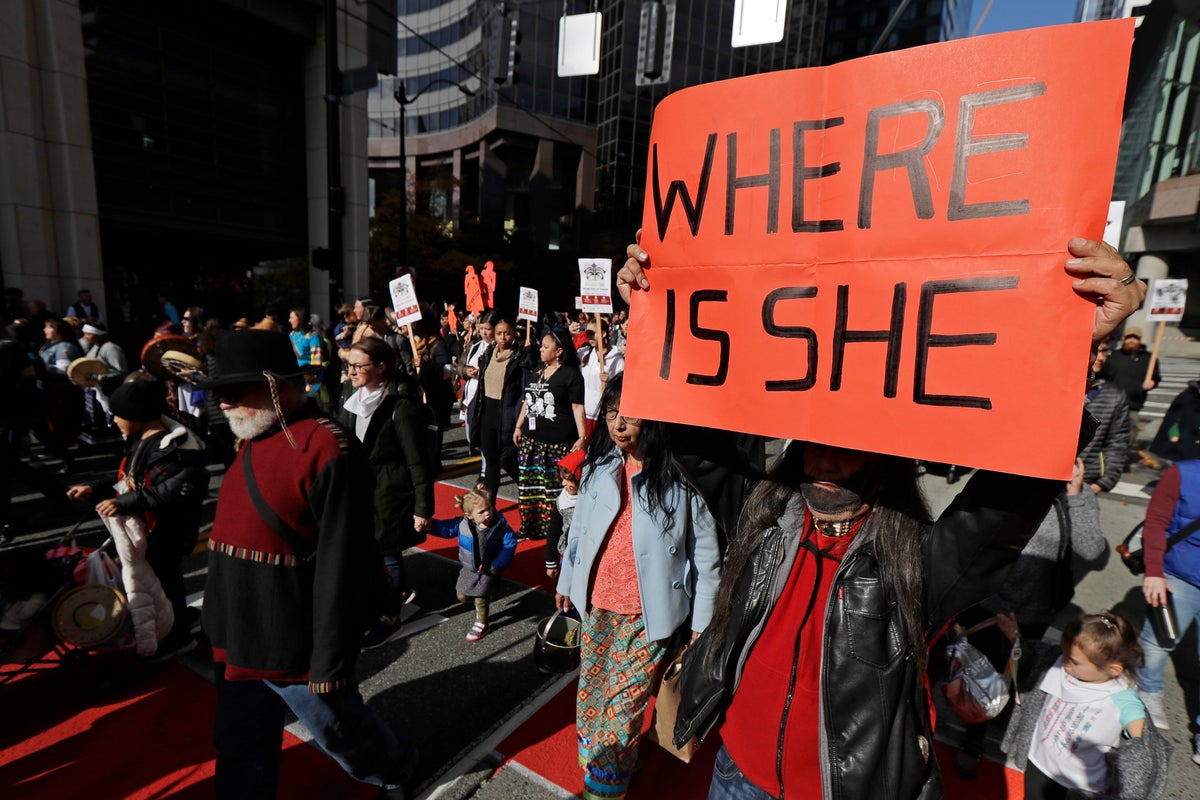
The Federal Bureau of Investigation (FBI) has established a new minimum reward of $25,000 for information leading to the resolution of dozens of cold cases involving missing or murdered individuals in Native American communities. The policy applies to more than 50 cases within Indian Country, where federal authorities share jurisdiction with the Bureau of Indian Affairs. FBI officials stated they hope the increased financial incentives will encourage witnesses to come forward with information that has previously remained undisclosed.
Investigations in these areas are often complicated by geographic isolation, limited resources, and heavy caseloads, according to FBI spokesperson Brooke Brennan. An analysis of the affected cases found that while most occurred within the last decade, approximately 12 have remained unsolved for more than 20 years. At the end of 2025, the FBI's National Crime Information Center recorded nearly 1,500 active missing-person cases involving Native Americans, though the agency noted that not all of these fall under federal investigative authority.
Attorneys and family members of victims have expressed varying views on whether the higher rewards will be effective. Mary Kathryn Nagle, a Cherokee Nation citizen and advocate, noted that witnesses in tight-knit communities often fear retaliation or harbor distrust toward the federal criminal justice system. While Nagle suggested the money might help, some family members, such as Faye Wurstner-Reagan, argued that witnesses may require physical protection rather than money, and suggested that resources would be better spent on family liaisons and dedicated investigators.
For the residents of these tribal lands, the change means a renewed public focus on cases involving neighbors and relatives who disappeared or were killed, in some instances decades ago. A person with information about a 2022 hit-and-run in Laguna Pueblo, New Mexico, or a 2023 death on South Dakota's Pine Ridge Reservation, would now see a guaranteed minimum reward that is, in some cases, 2.5 to 5 times larger than what was previously advertised. However, family members of the deceased have noted that while the increased rewards sometimes lead to a temporary uptick in phone calls to investigators, they have not yet resulted in a surge of arrests or convictions.
The policy sets a precedent for how the FBI handles crimes in Indian Country, signaling an attempt to address the high volume of missing and murdered Indigenous persons (MMIP) through financial incentives. The knock-on effect may involve increased pressure on the Bureau of Indian Affairs and local tribal law enforcement to coordinate more closely with federal agents as tips are processed. What happens next depends on the public response to these specific offers; the FBI continues to list these as active investigations, and there is no reported deadline for when the reward offers might expire. Families continue to wait for updates on specific cases, such as the shooting of two brothers on the Navajo Nation, as the new reward levels take effect.