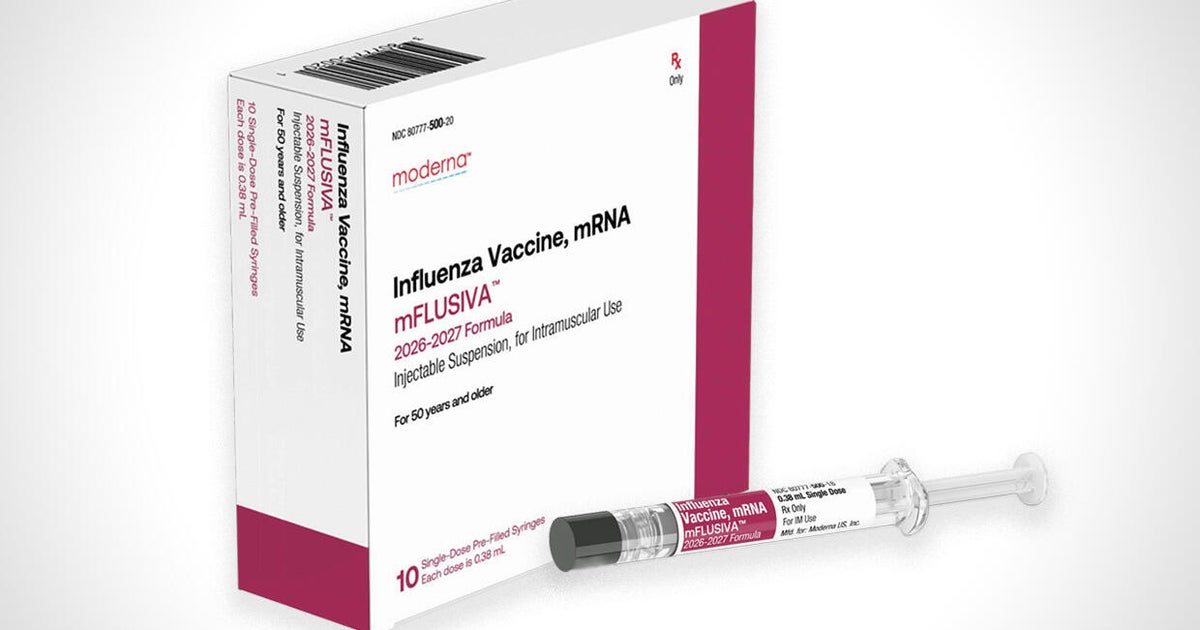
The U.S. Food and Drug Administration (FDA) has approved a new seasonal influenza vaccine from Moderna, the drugmaker announced Wednesday. The vaccine, named mFLUSIVA, is the first to use messenger RNA (mRNA) technology to receive FDA approval for flu prevention. It is authorized for use in adults aged 50 and older.
The approval follows a period of regulatory disagreement. Earlier this year, the FDA initially refused to consider Moderna's application before reversing that decision roughly one week later. The agency, which operates under the U.S. Department of Health and Human Services (HHS), issued the approval despite previous actions by HHS Secretary Robert F. Kennedy Jr., who canceled 22 mRNA vaccine development projects last year.
The regulatory dispute centered on a clinical trial involving 40,000 participants. FDA vaccine director Dr. Vinay Prasad previously stated the trial was insufficient because it did not compare mFLUSIVA against a specific vaccine brand recommended for people aged 65 and older. To address these concerns, Moderna submitted an amended application seeking full approval for adults 50 to 64 and accelerated approval for those 65 and older, while agreeing to conduct further studies on older populations.
The scale of this development involves tens of millions of U.S. adults who fall into the 50-plus age bracket. For these individuals, the concrete change will be the availability of a new preventative option starting with the 2026-27 flu season. Those who receive the mFLUSIVA shot may experience side effects similar to other vaccines, which Dr. Gounder identified as injection site pain, fatigue, and headaches.
The approval sets a precedent for the use of mRNA platforms in seasonal respiratory illness beyond COVID-19. It also signals a shift in the regulatory path for Moderna, which had to adjust its filing strategy to secure this authorization. Moderna stated it expects the vaccine to be commercially available for the 2026-27 season. The company will proceed with the additional required studies for older adults as part of its agreement with federal regulators.